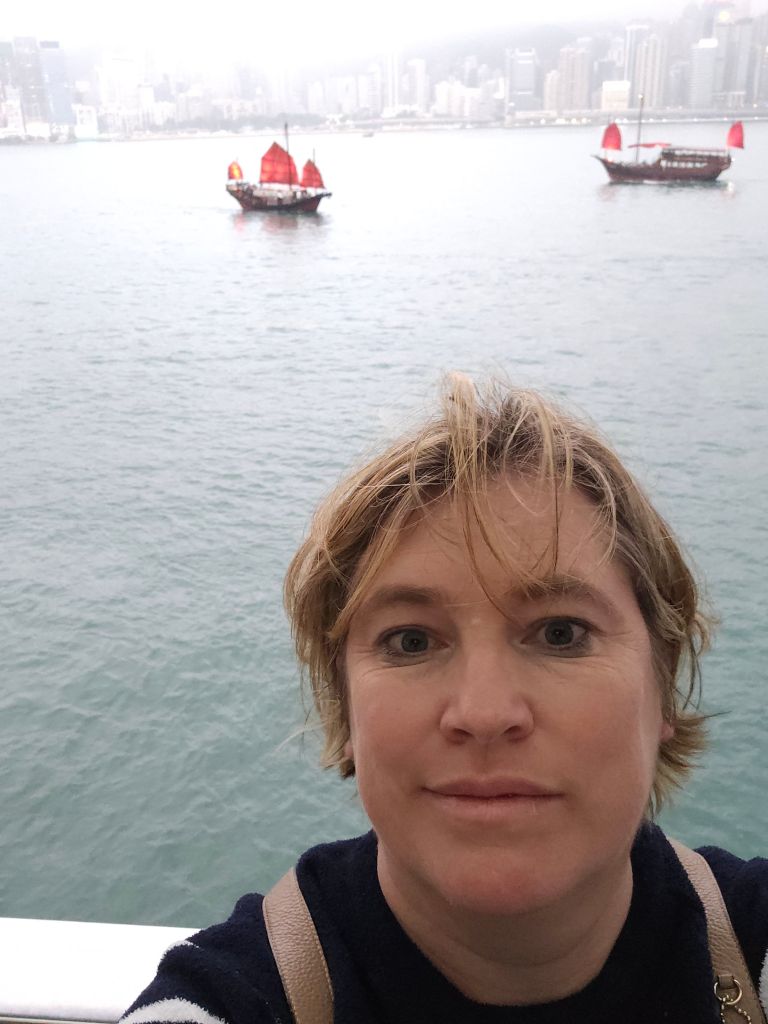
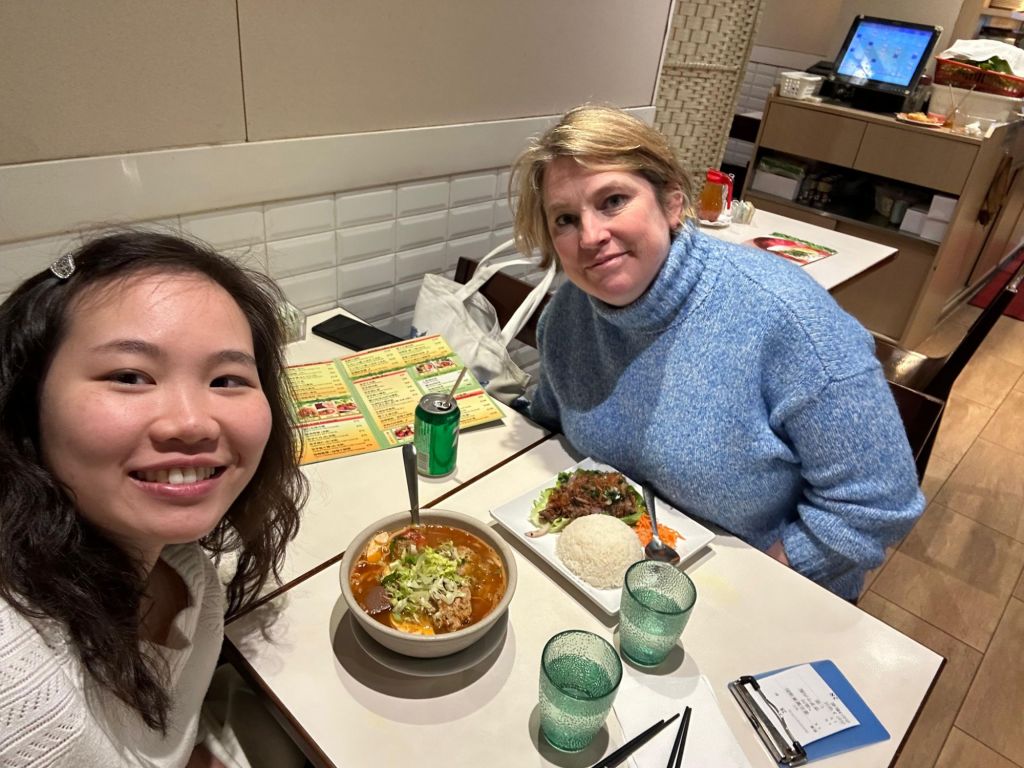
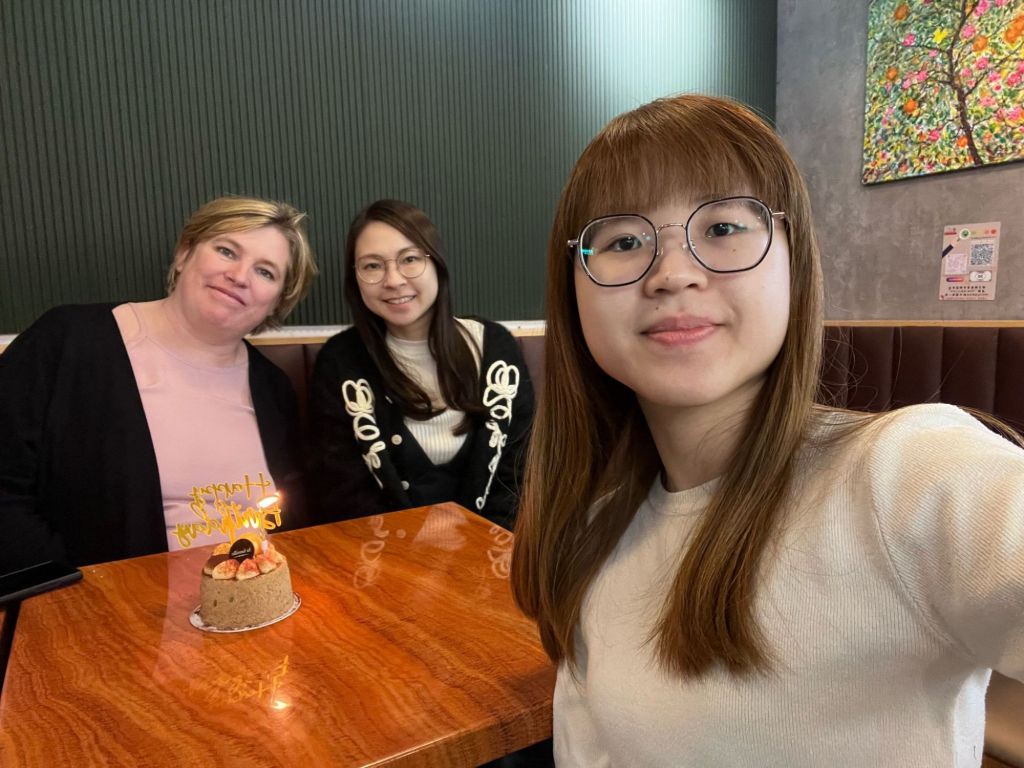
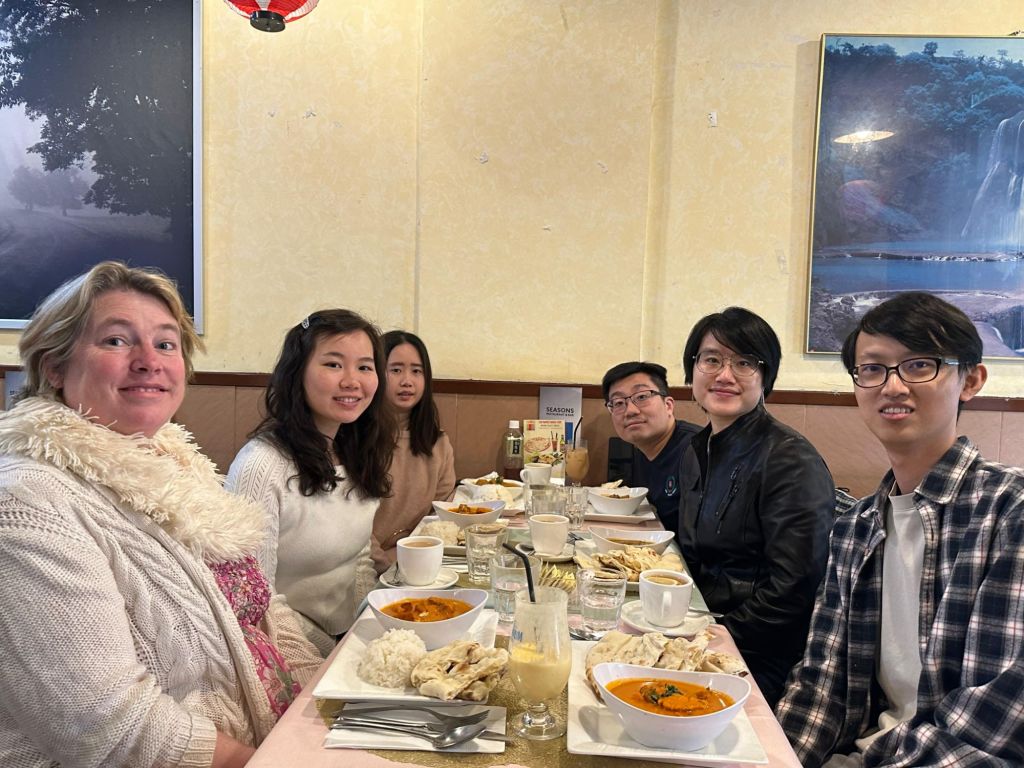
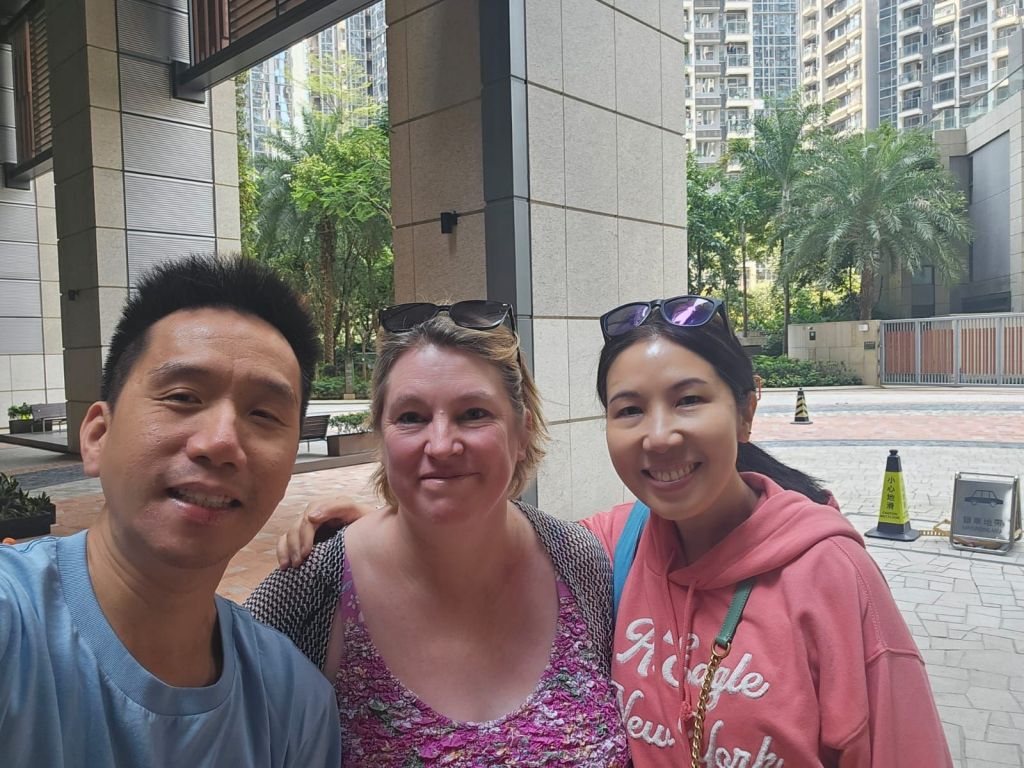
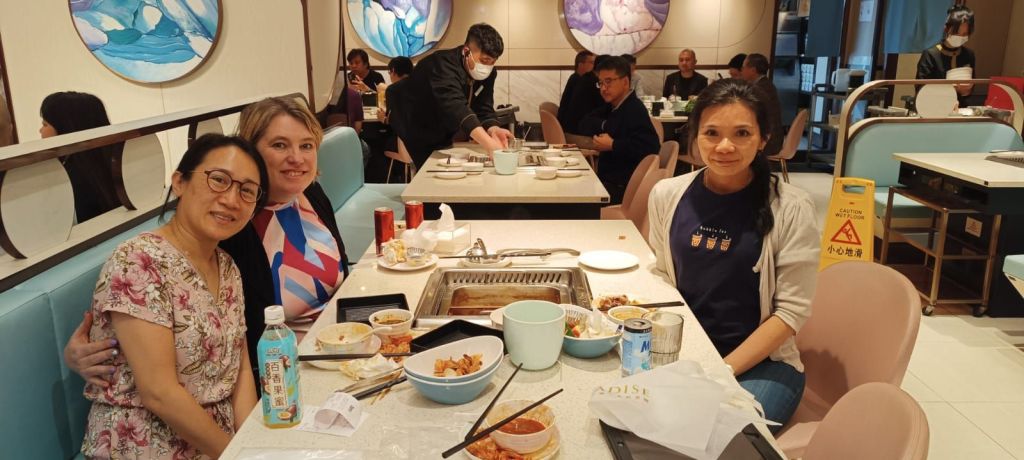
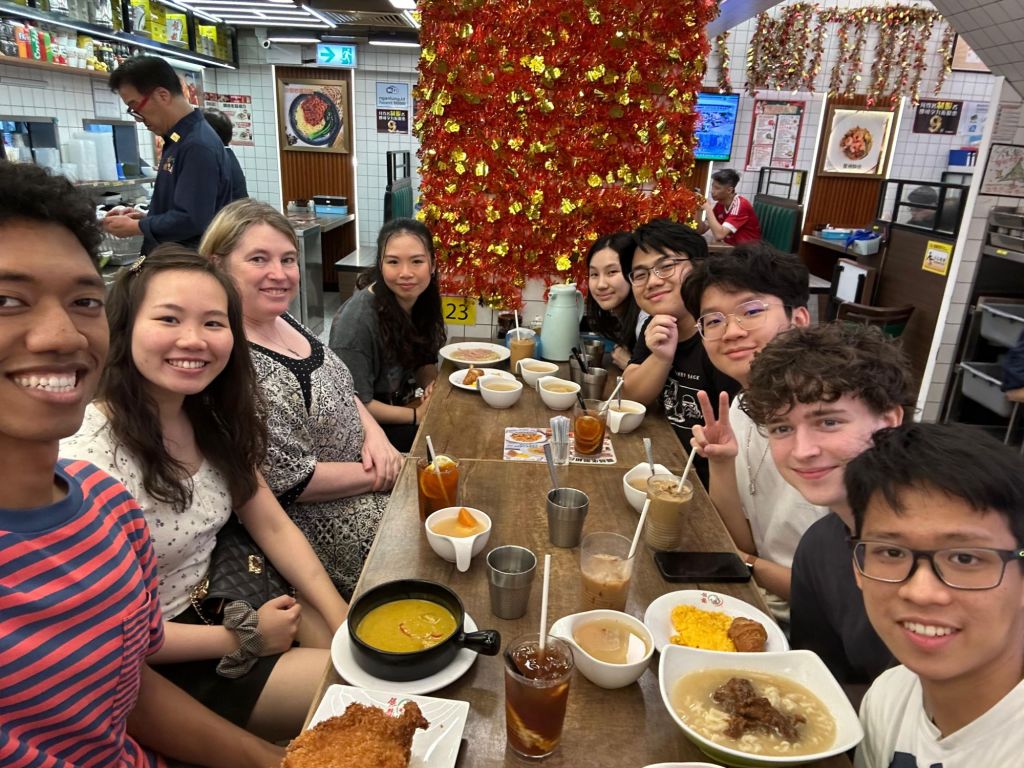
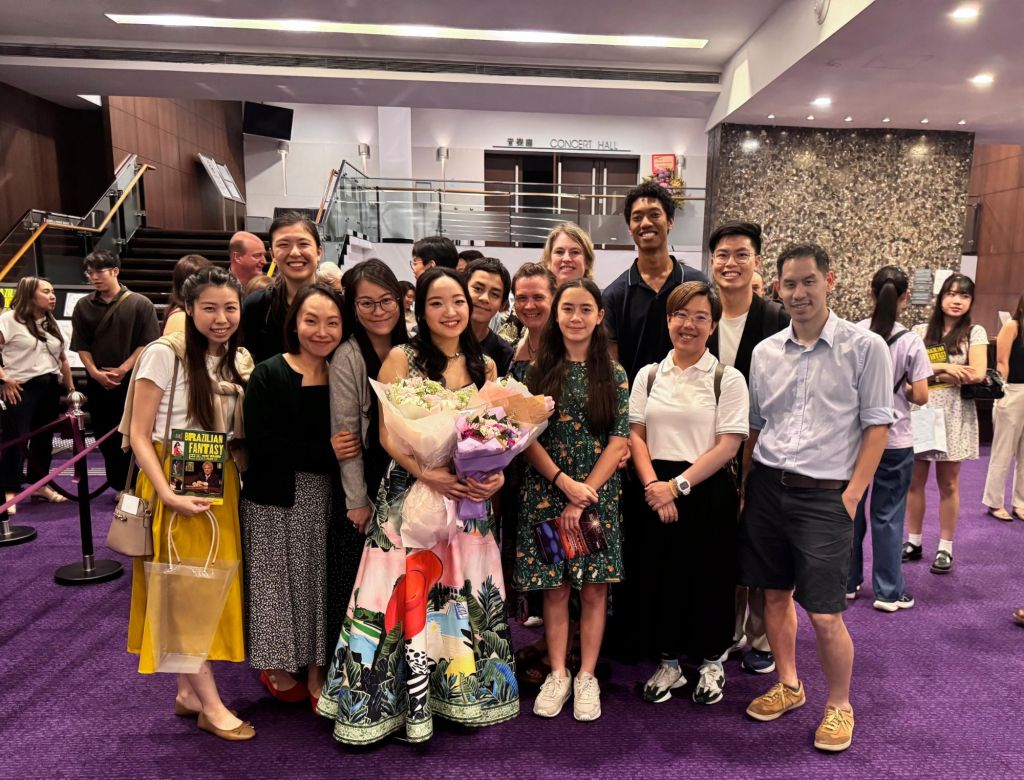
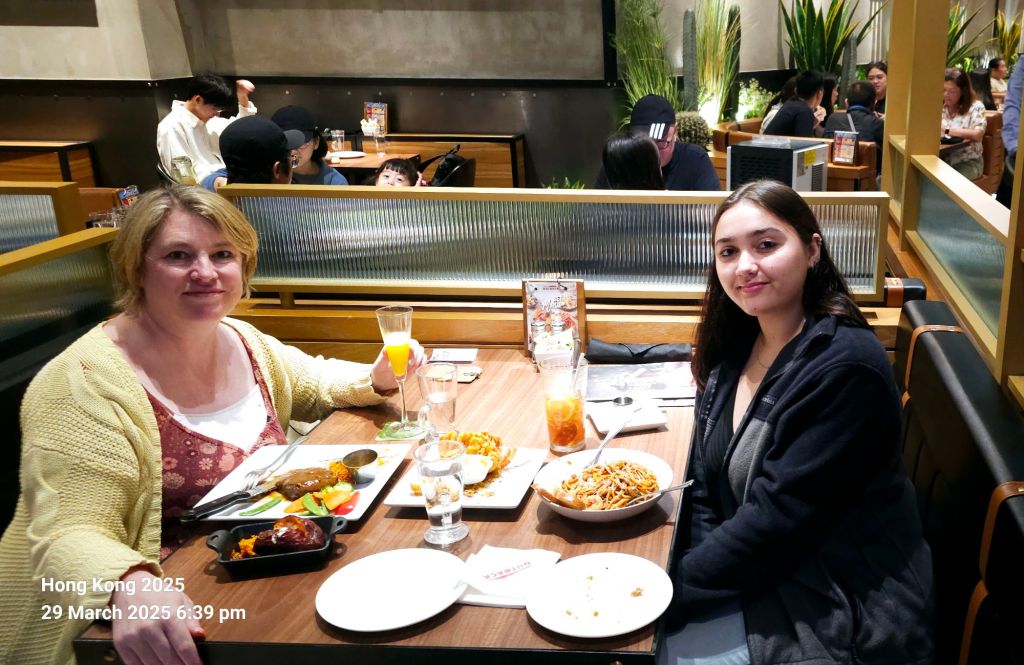
We are halfway through 2025, and I have now been back in Hong Kong for 6 months. It is hot again, and the humidity is the hardest part. I hope I find you all well. What have I been up to over the last six months? I’ve been doing hikes, working, and meeting friends. I’ve joined a pilates class, attended a concert, visited various temples and wetland parks, and worked. I’ve tried all kinds of food and looked in the mirror, thinking, “Yes, I’m losing weight.” But the next day, I’d look again and think, “Ahhh, I’ve put on weight.”
I’ve experienced the great joys of the children’s laughter and the great sorrow of losing my uncle. I’ve had to cope with the fluctuation of my emotions, which is nothing new. I’ve also had to come to terms with the fact that although I’ve lived in Hong Kong before, I need to accept and give myself permission to accept that it is all new again, with the same and new challenges of uprooting and starting again. Although a lot is the same, a lot is also different – but I couldn’t really say what was different, or at least what I find different. It’s also a bit like a pressure cooker; the pressure of the last few years in the UK has boiled over. Certain words can trigger memories or deep-rooted feelings, which can become overwhelming. Please do not worry. I am well and happy. I have very good friends who are walking alongside me on this journey.
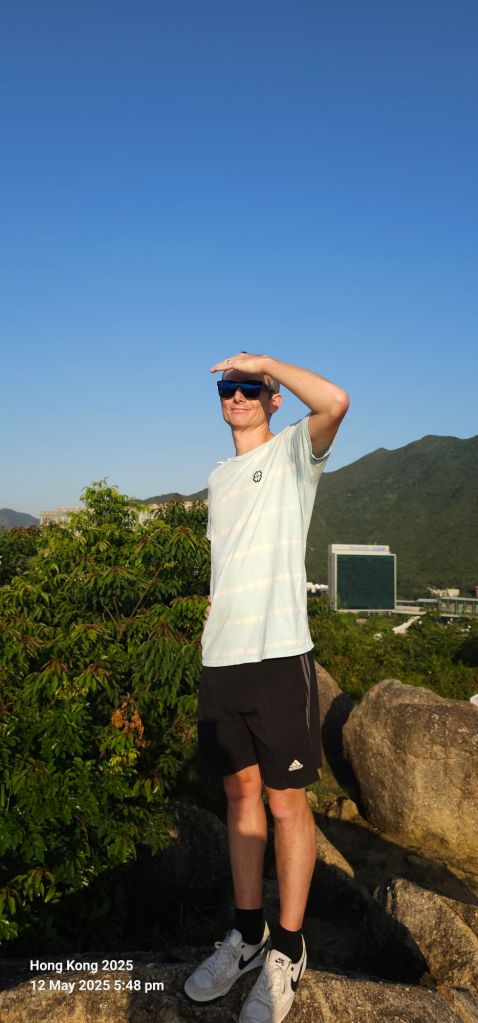
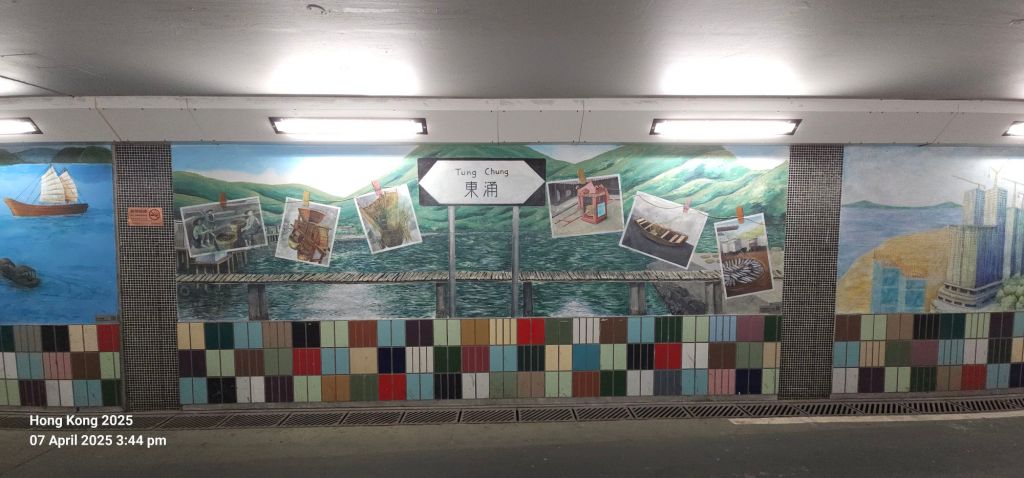
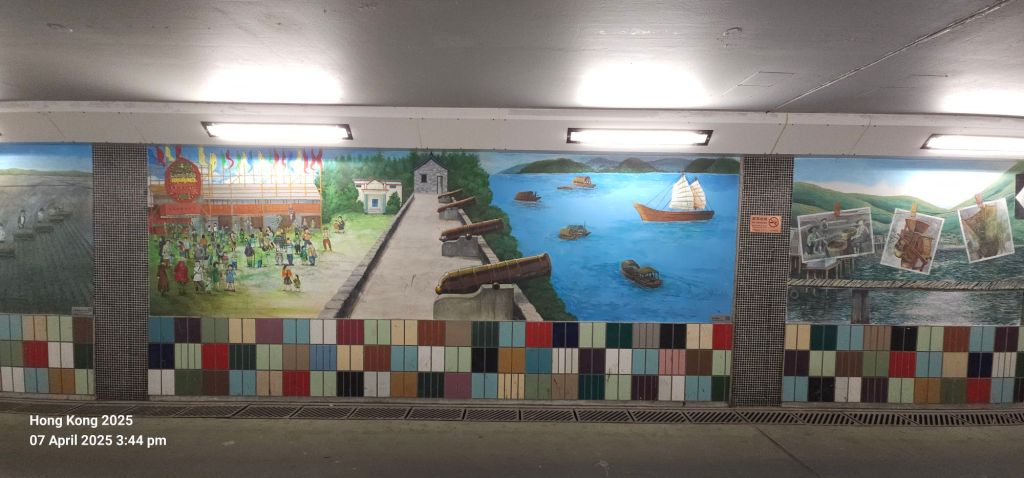
On my Mondays, the days off I have, I’ve gone on various walks with my cousin. He’s very patient with me as I struggle up what to him seem like very easy hills. I was never the fastest walker/hiker when I was here the first time, but three years out of action have made me slower. Two of our first walks were from Tung Chung to Mui Wo. It is a fascinating little rural town on the eastern coast of Lantau Island in Hong Kong. It’s known for its scenic beauty and relaxed atmosphere. It is also an ancient village dating back to the Ming dynasty and played a role during the fall of the Southern Song dynasty in the 13th century. It also had silver mines that gave the area its name. It also has a darker past, as in August 1945, after WWII ended, Japanese soldiers carried out a massacre in Mui Wo, killing at least nine villagers and arresting hundreds. However, you wouldn’t know that today with all its beautiful nature and tranquillity. This also led to another of my fantastic bloopers that will never be lived down. I forgot a water bottle in Mui Wo that my cousin had kindly lent me on our first hike. I only remembered it when I got home – me being me felt guilty about this and it being within my ablity to fix it trotted off to Mui Wo – which is an hour each way by bus to retrieve the said water bottle, bringing frustration and hilarity to my cousin who is learning he has a very daft cousin. The second time we did it – I double checked that I had the water bottle.
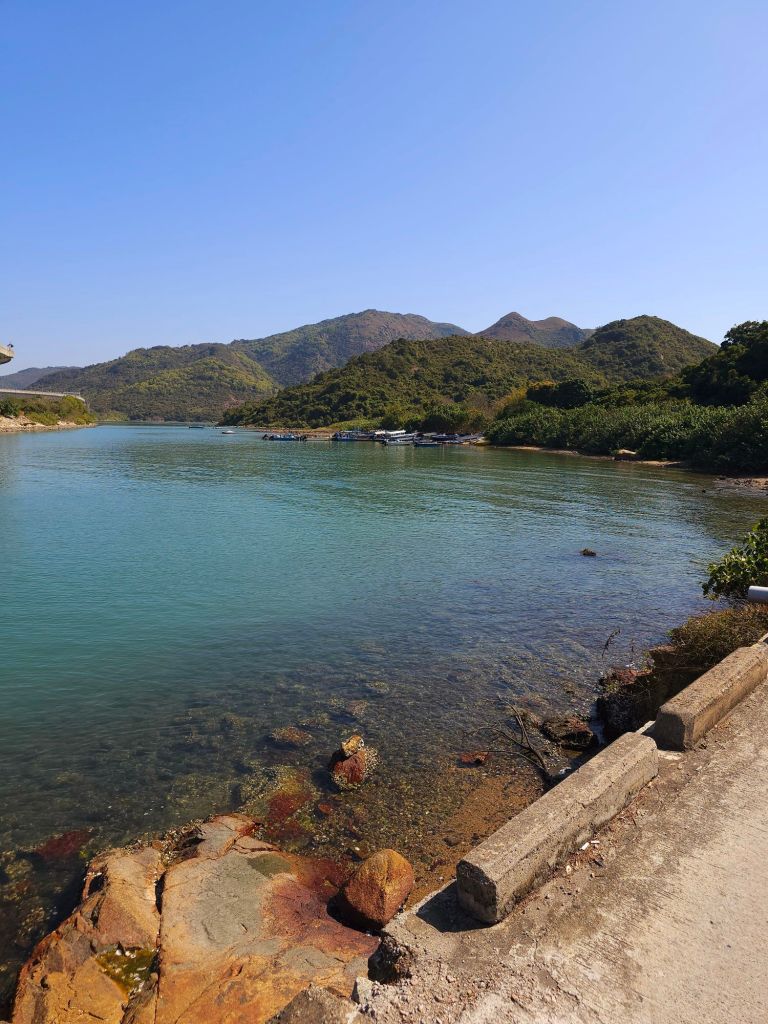
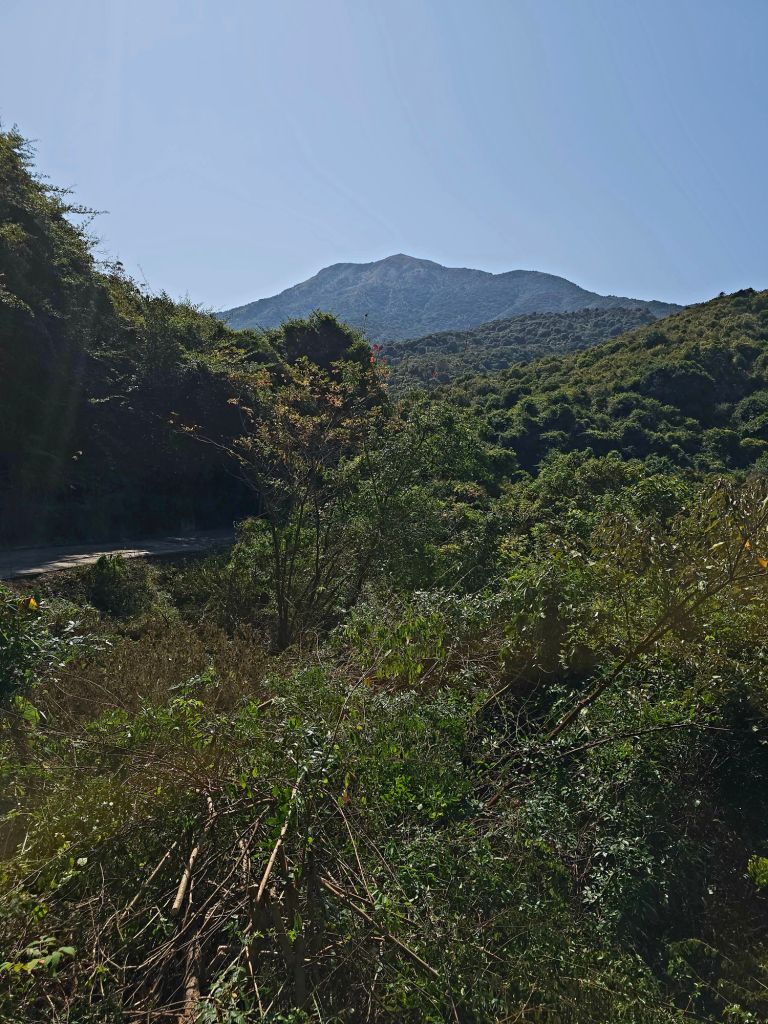
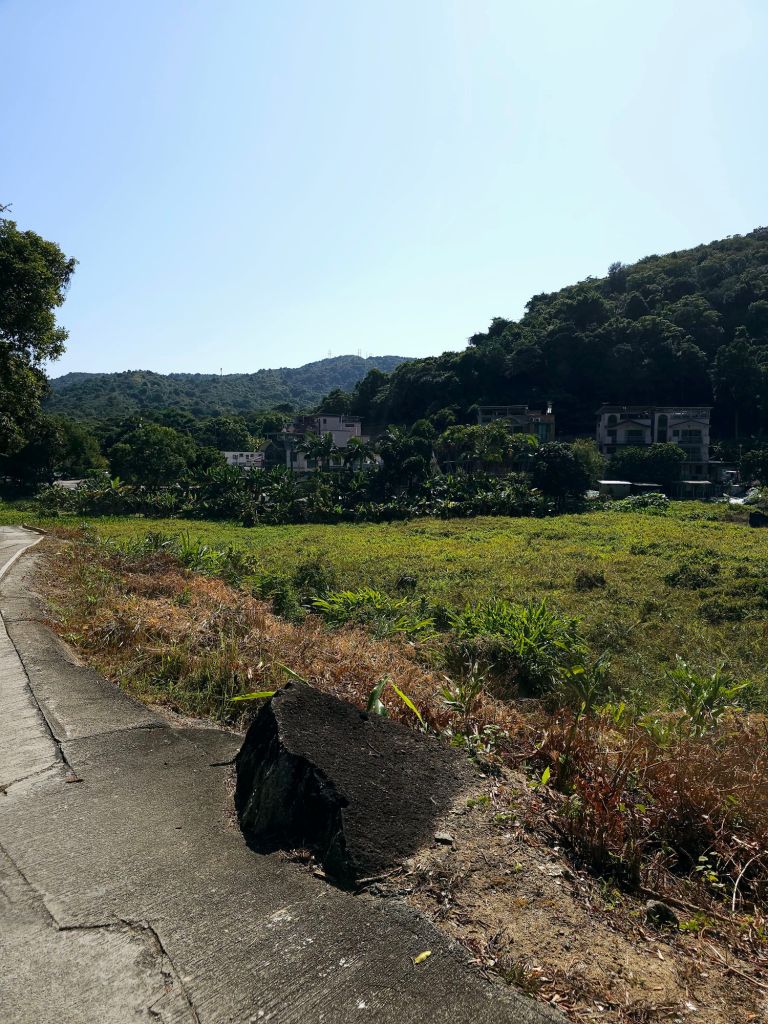
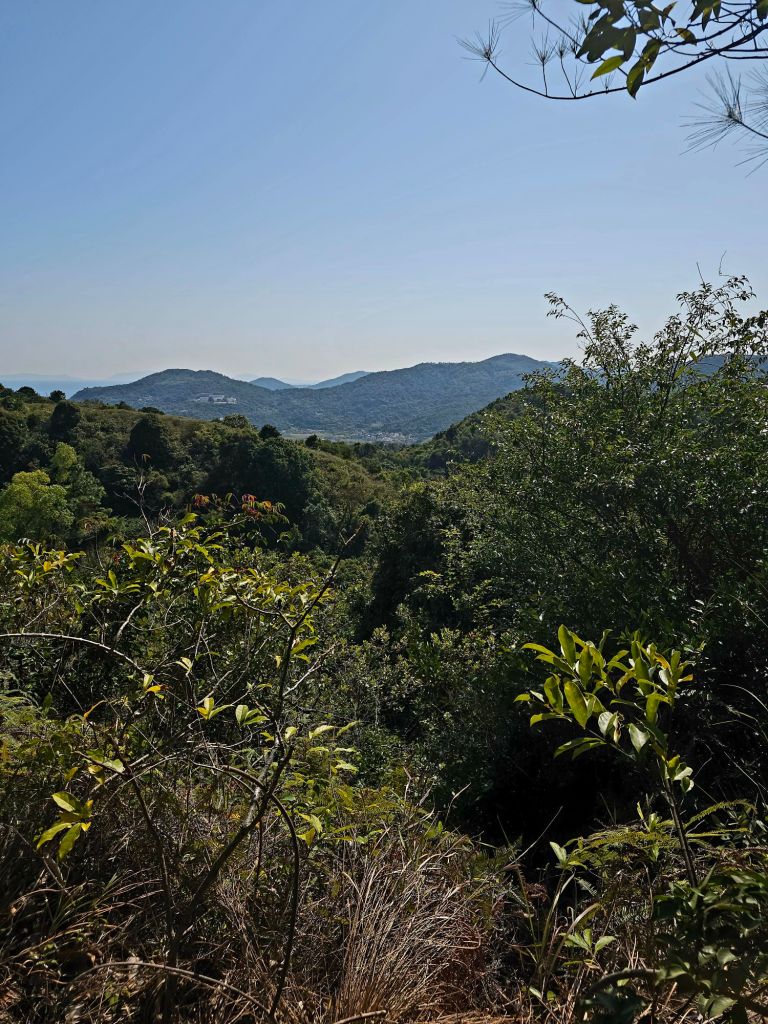
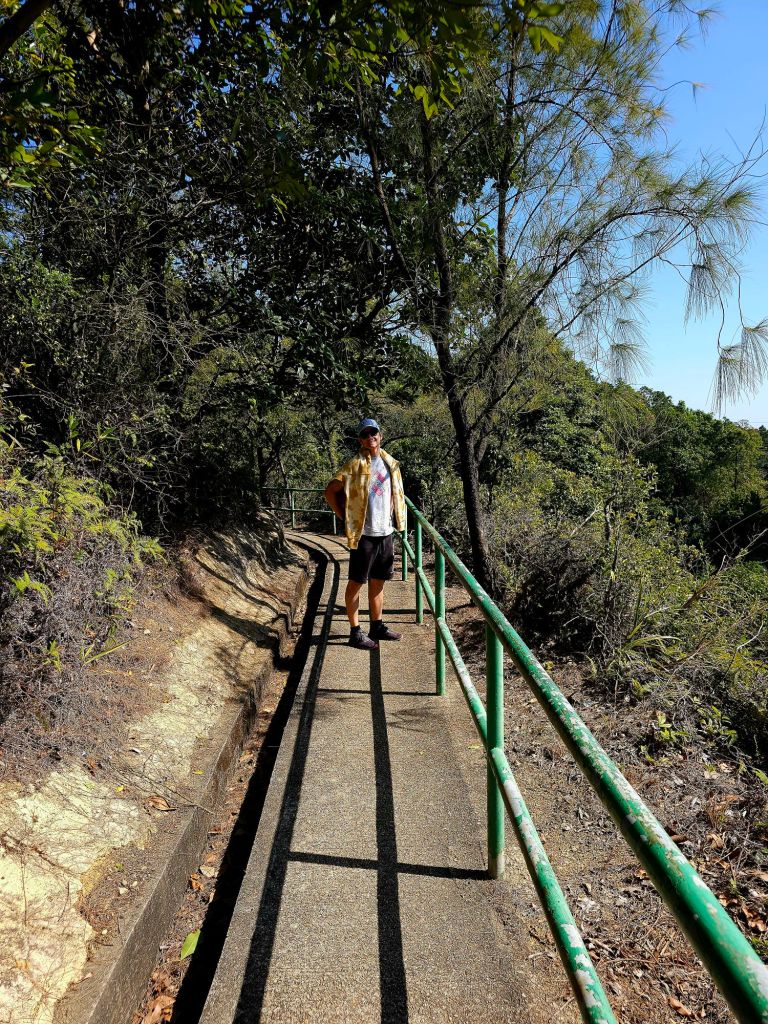

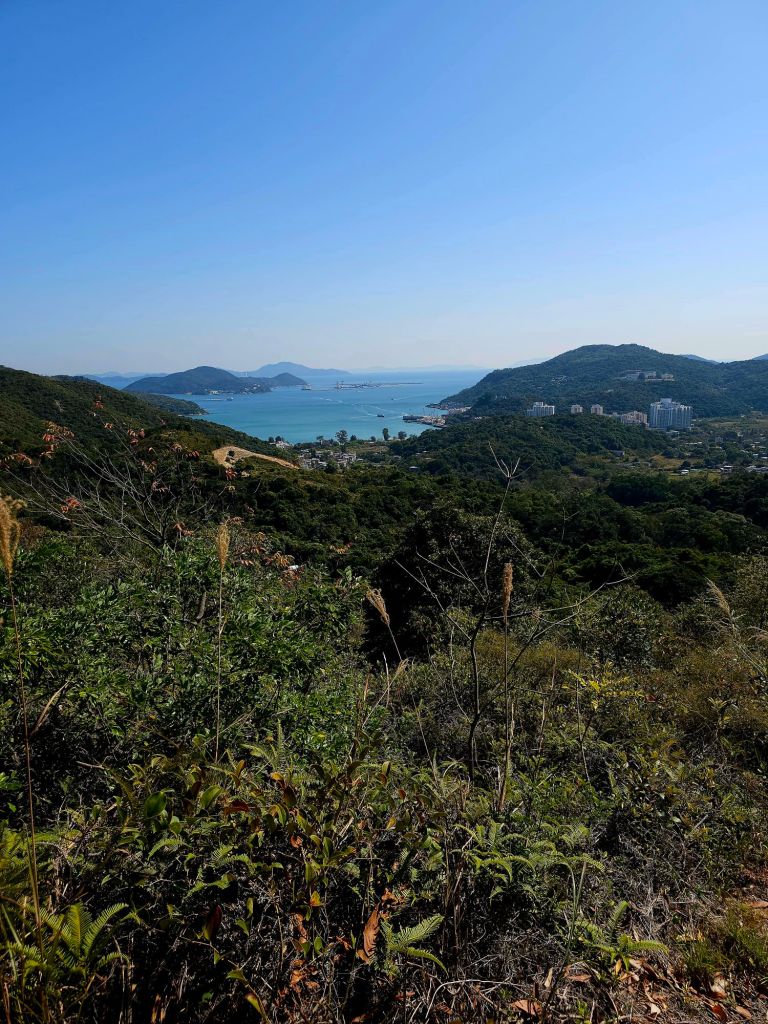
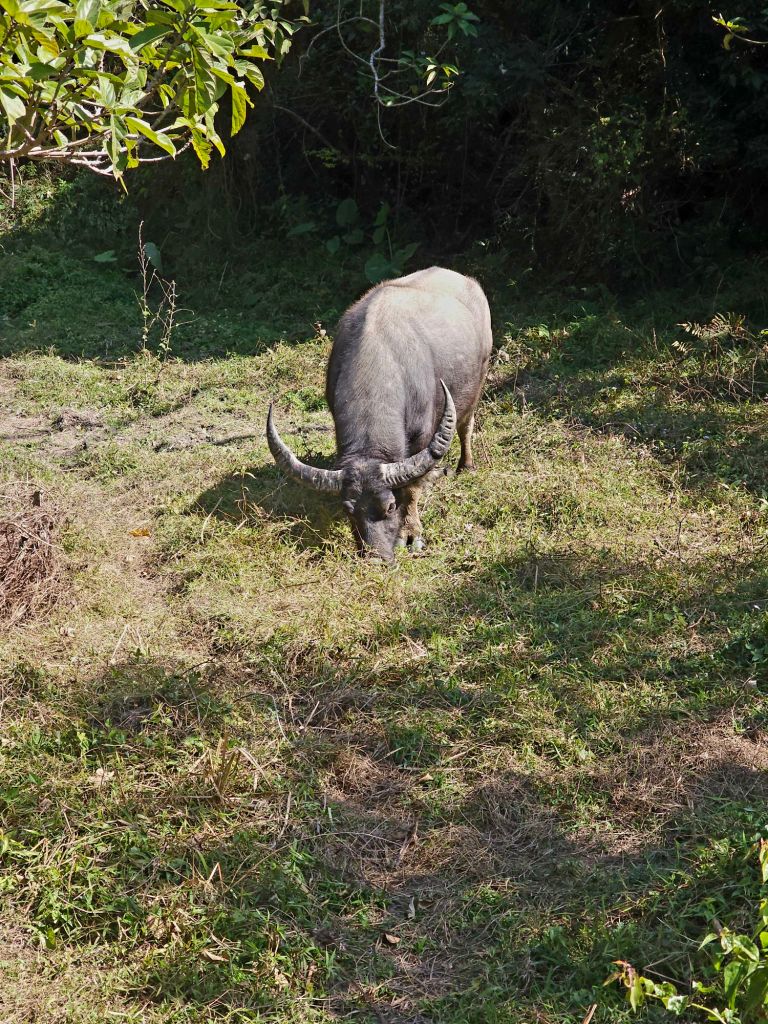
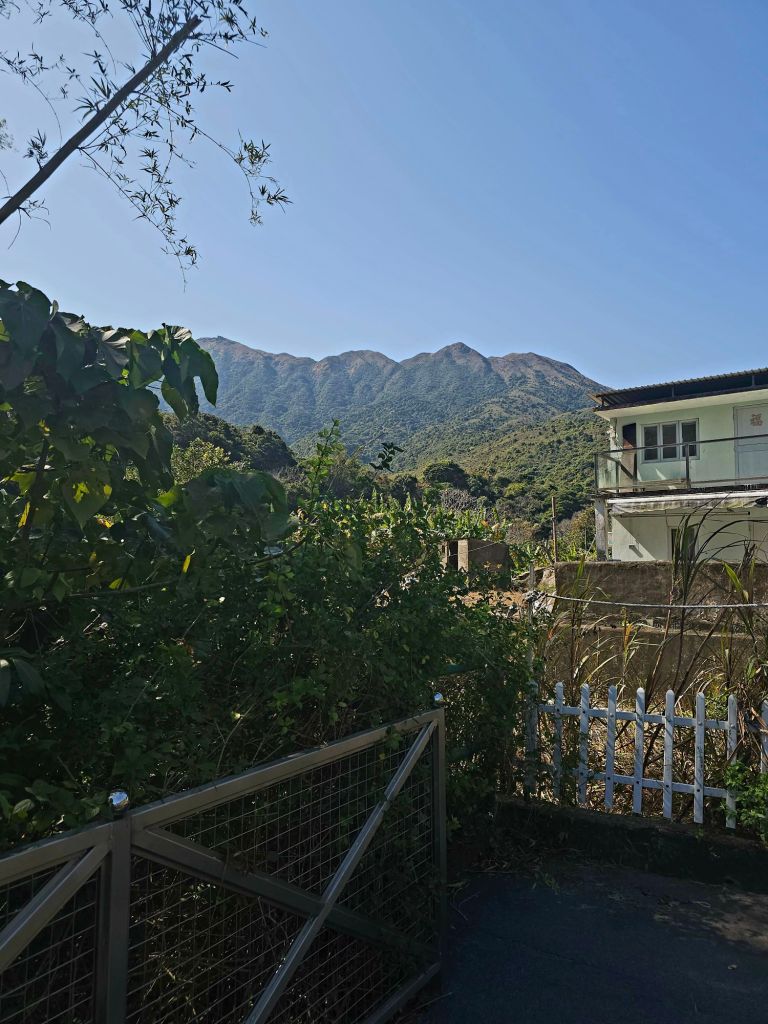
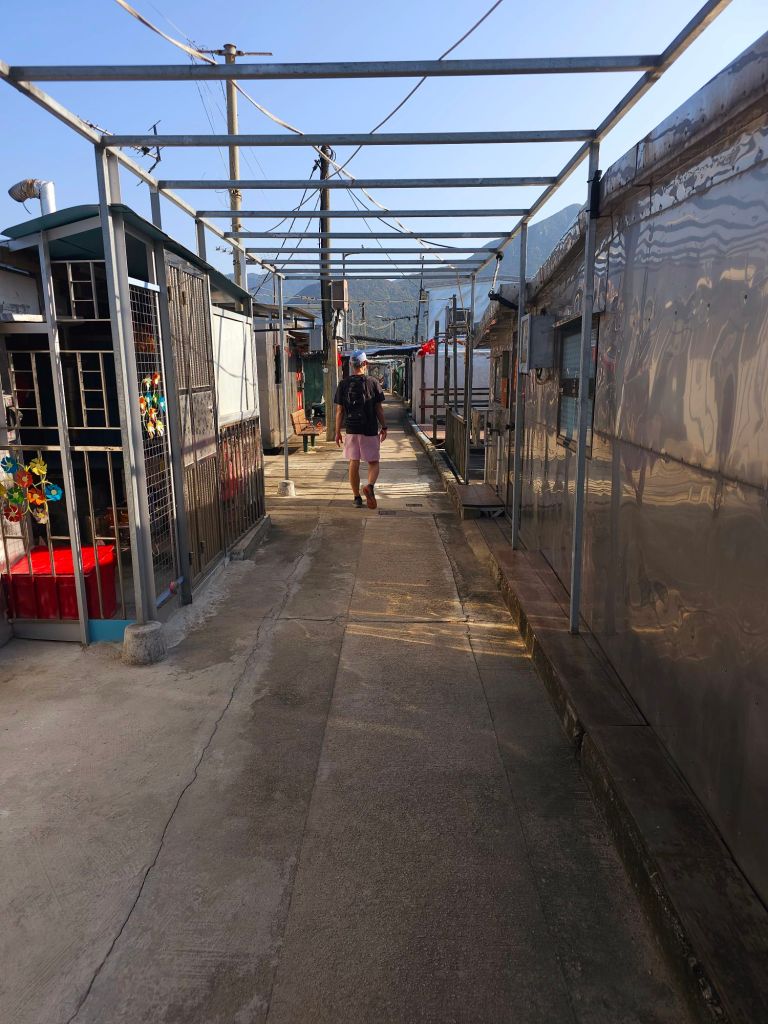
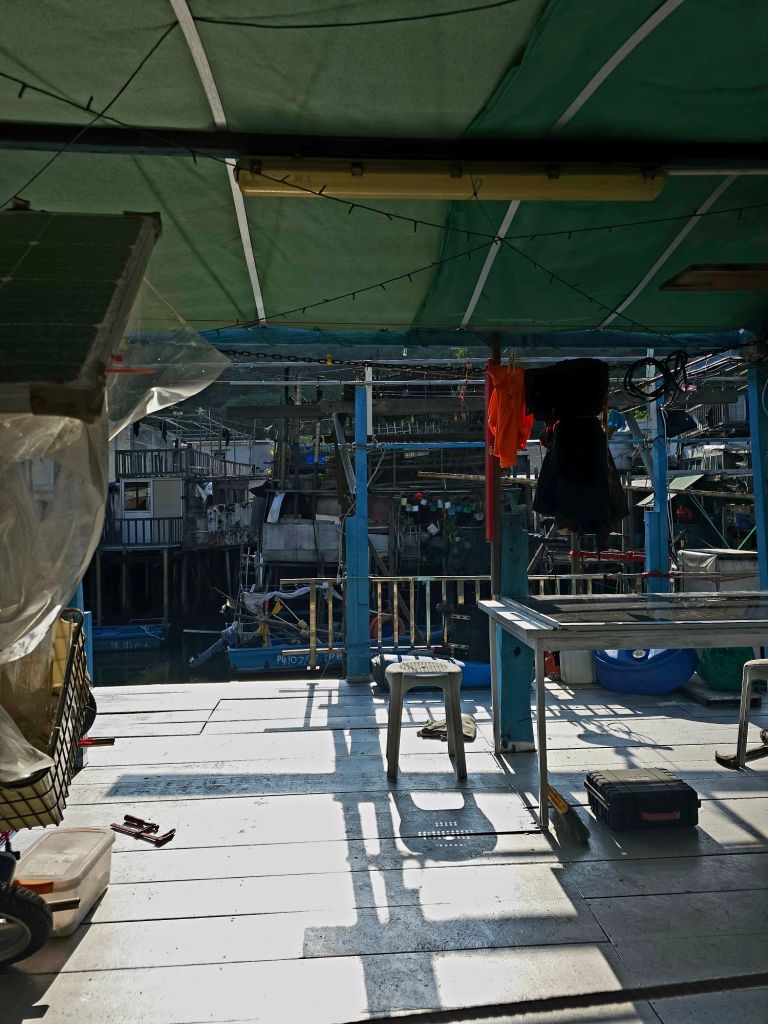
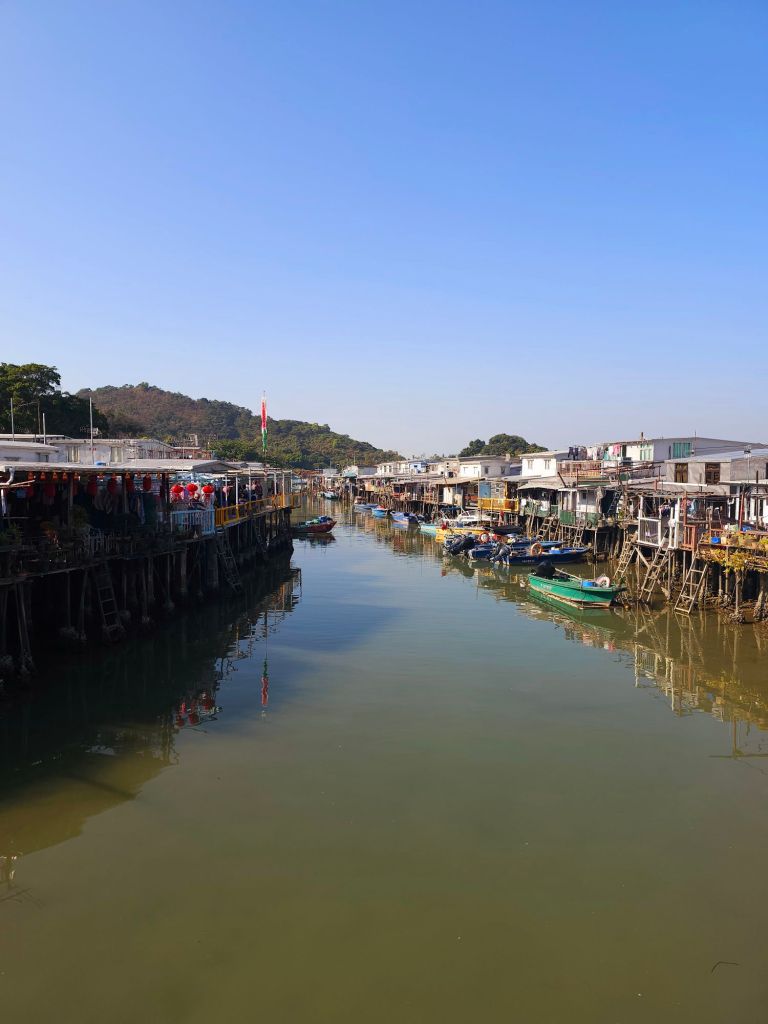
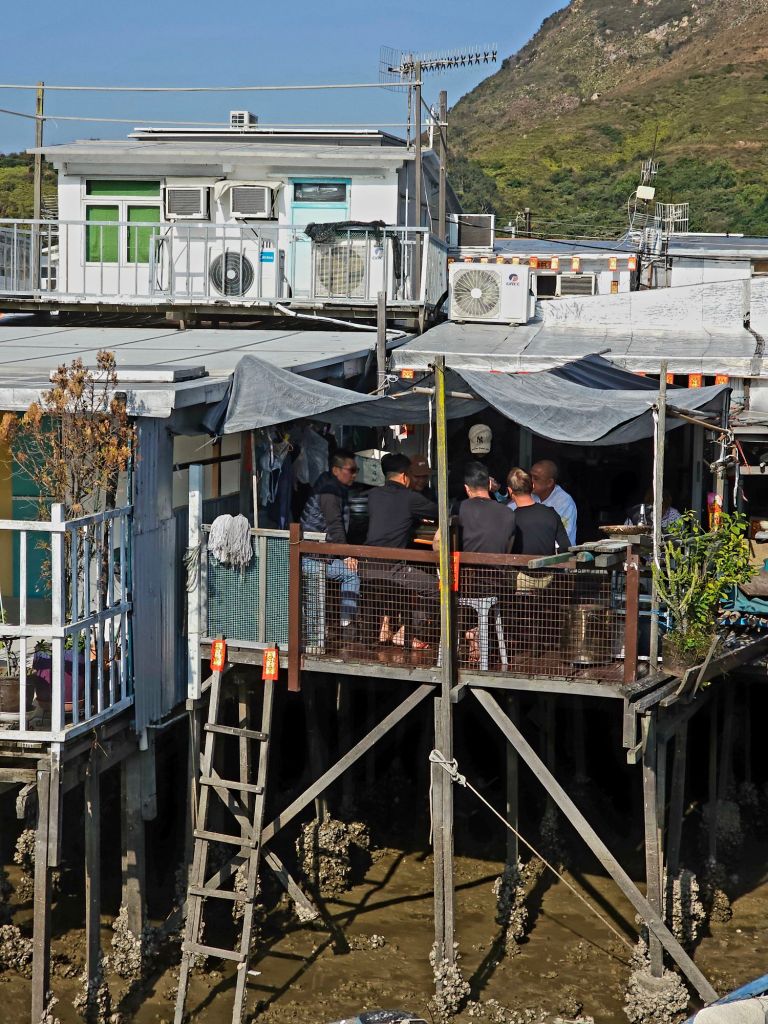
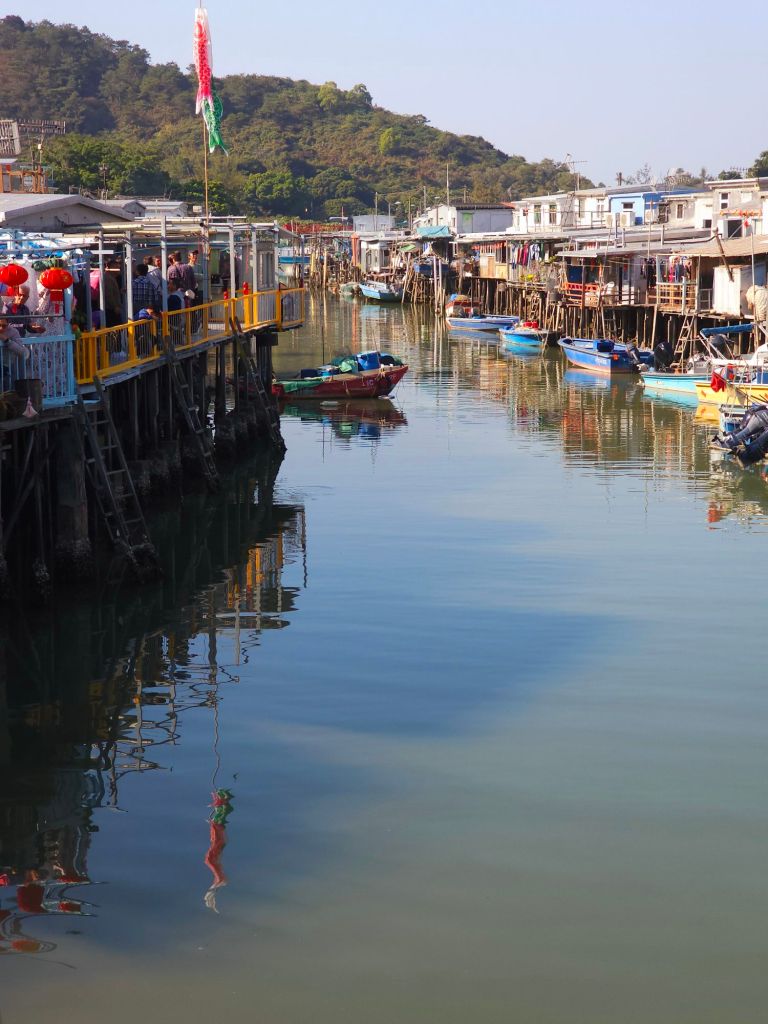
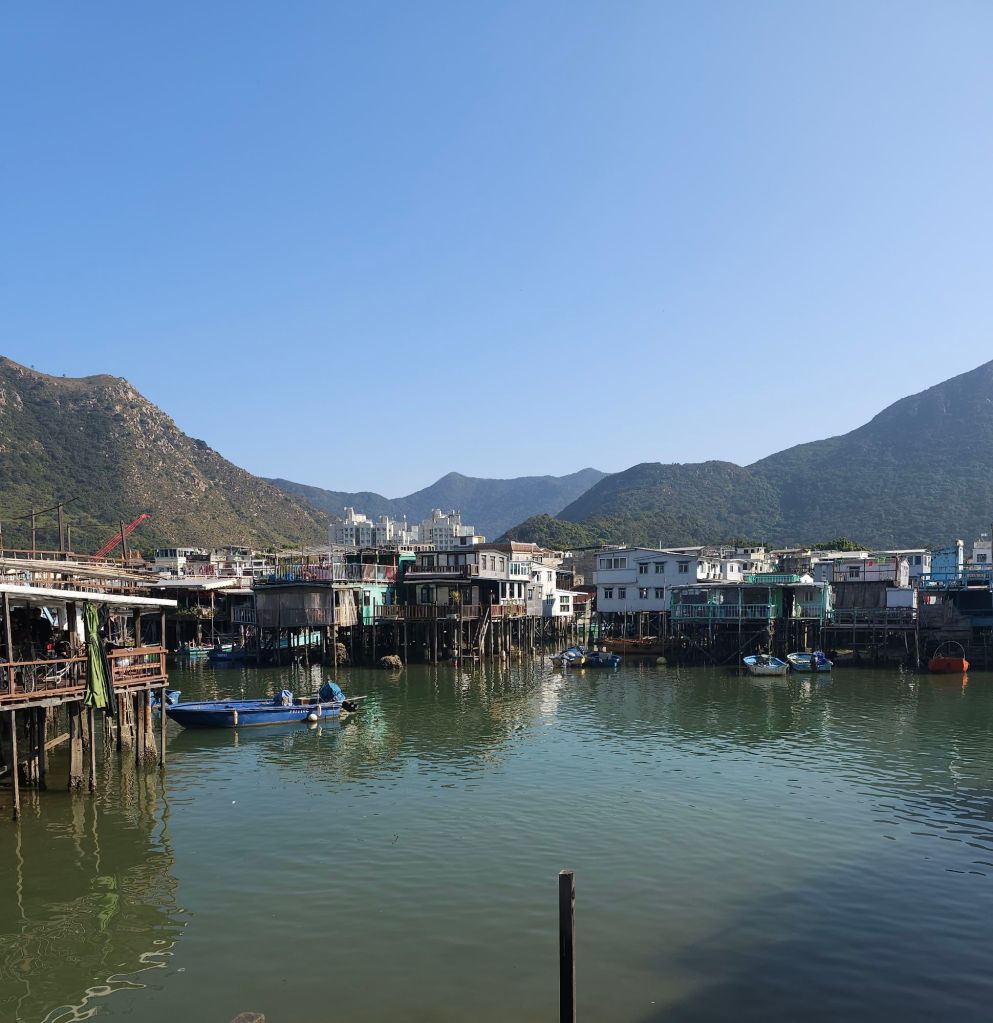
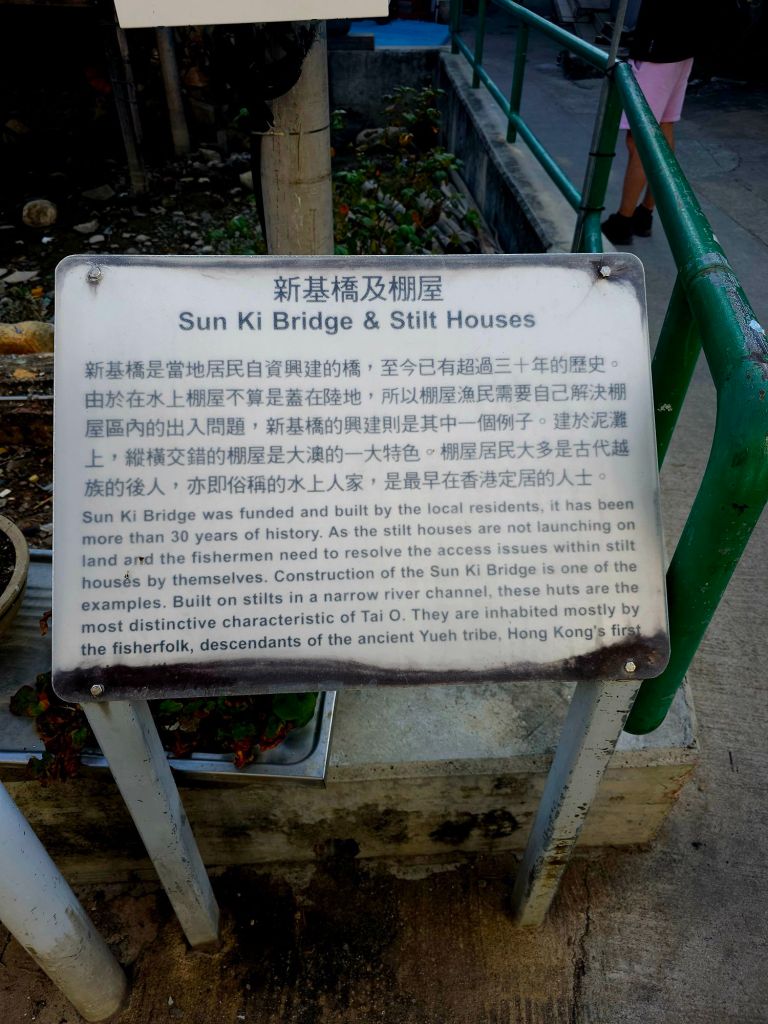
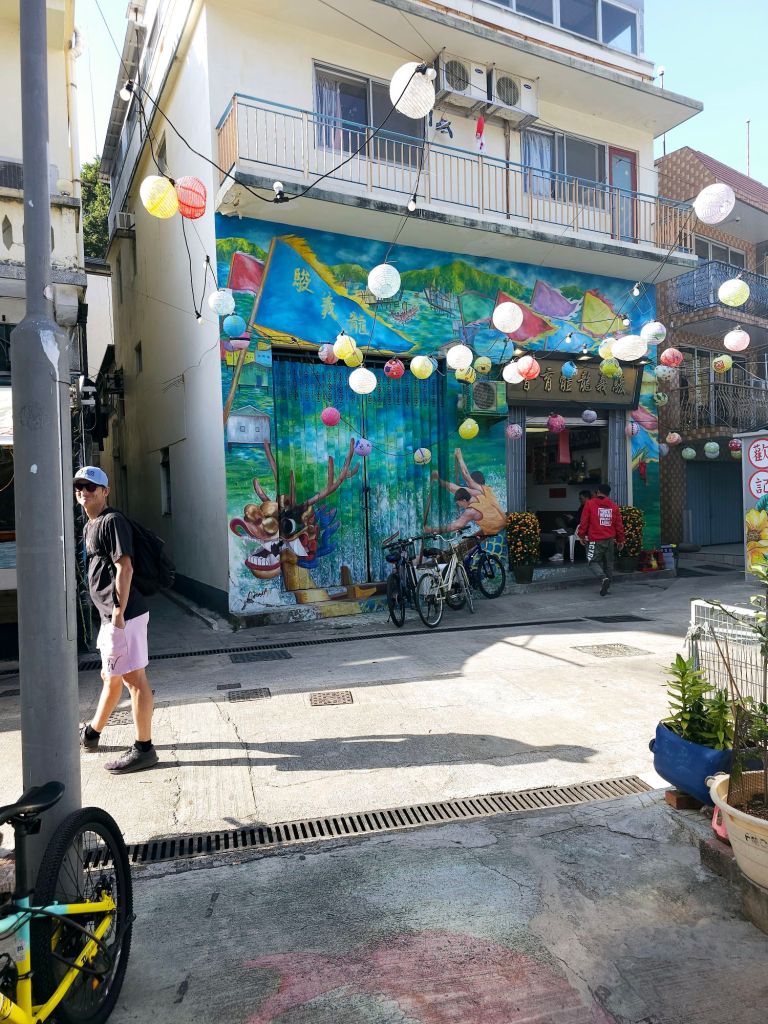
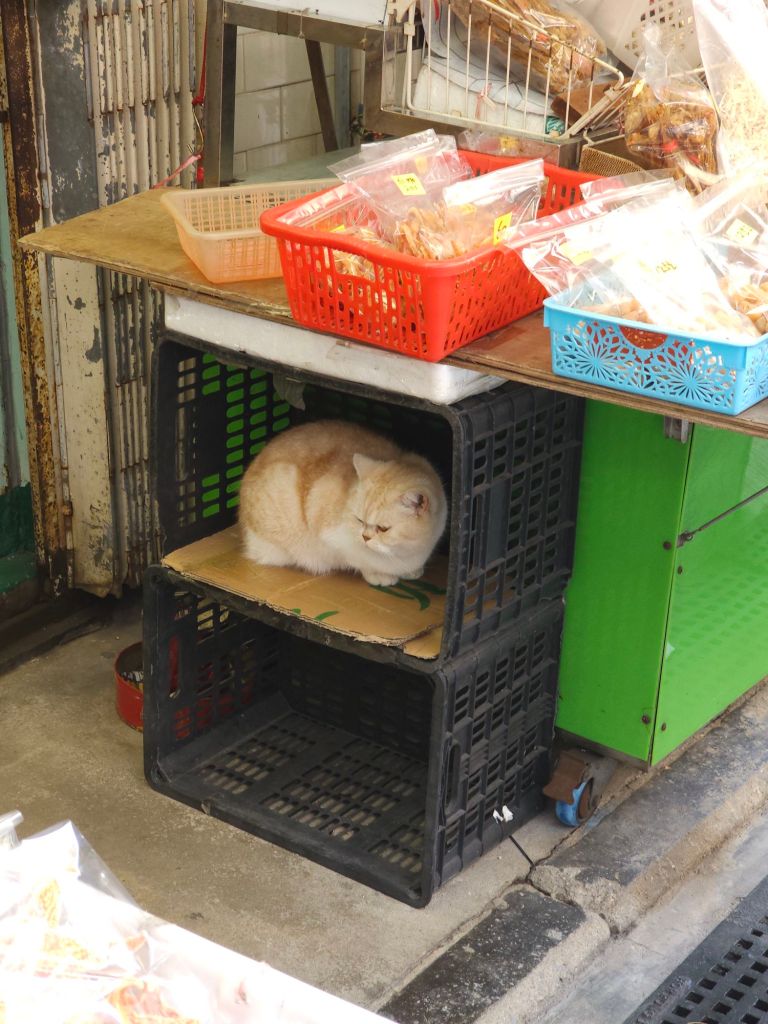
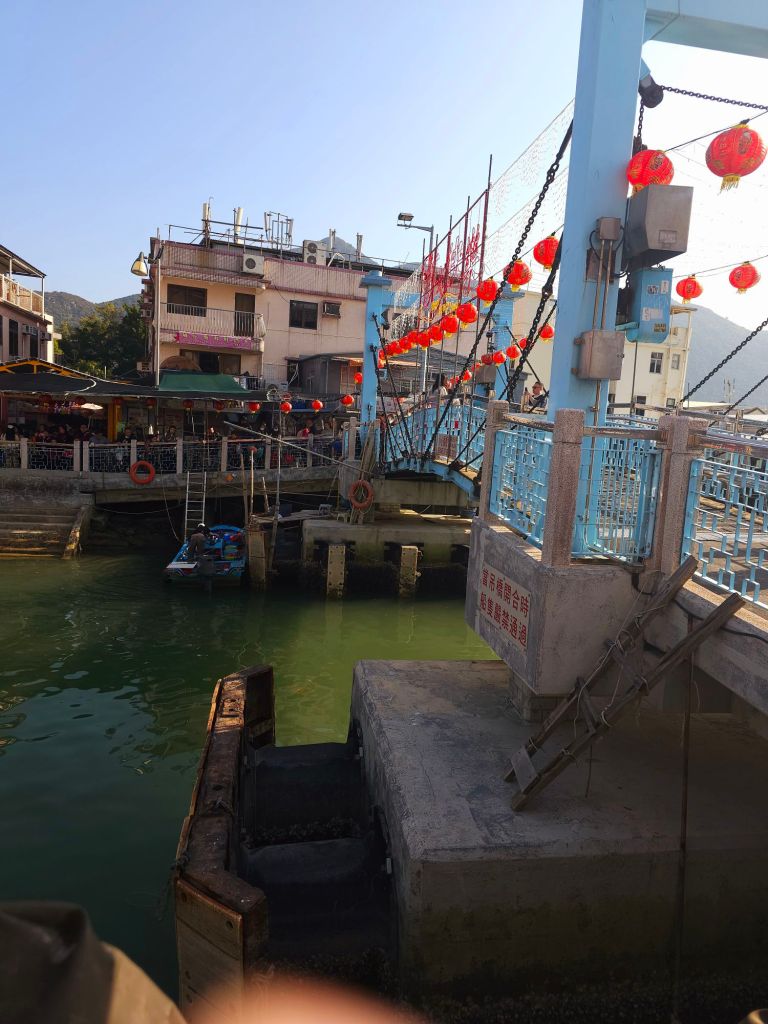
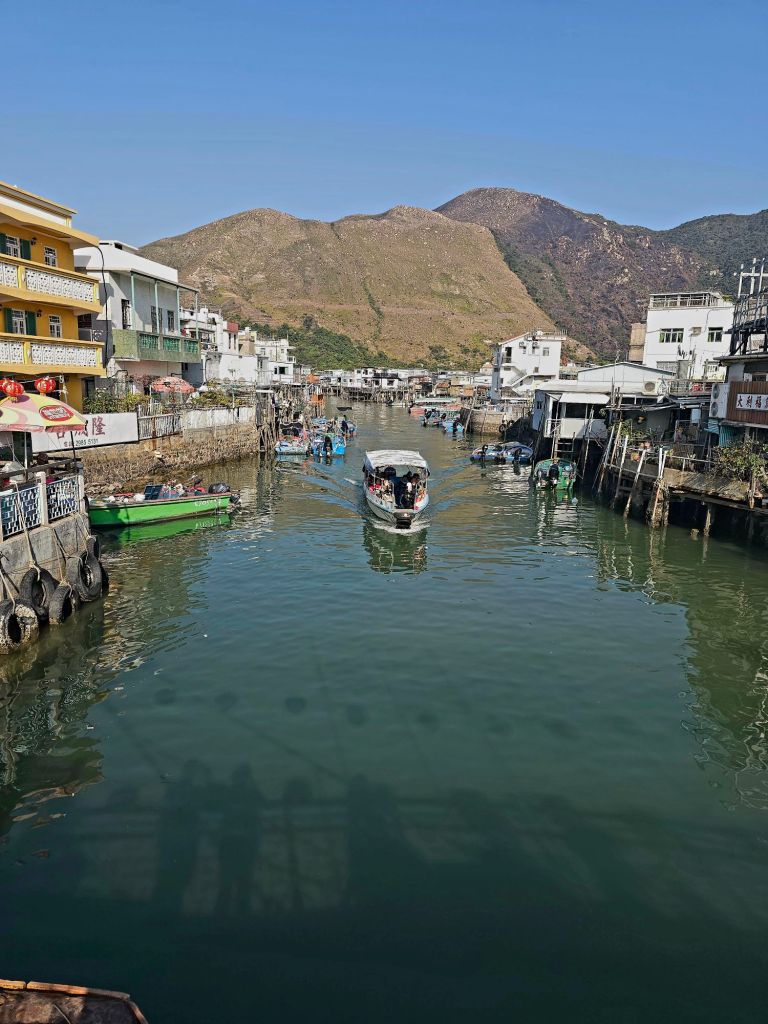
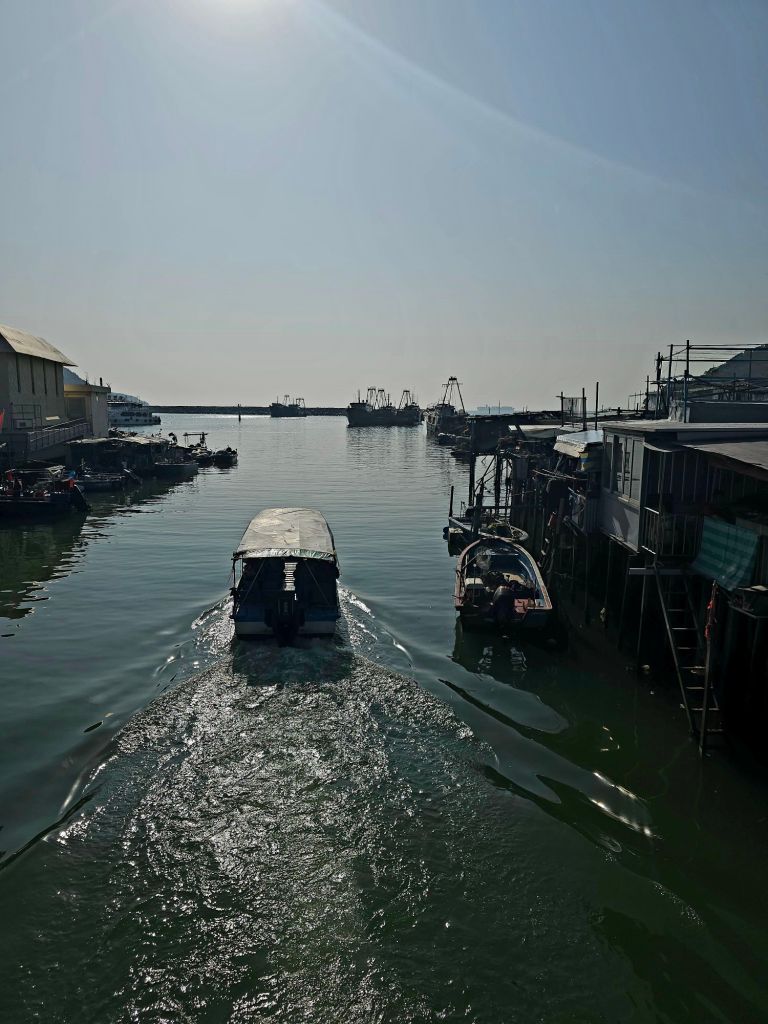
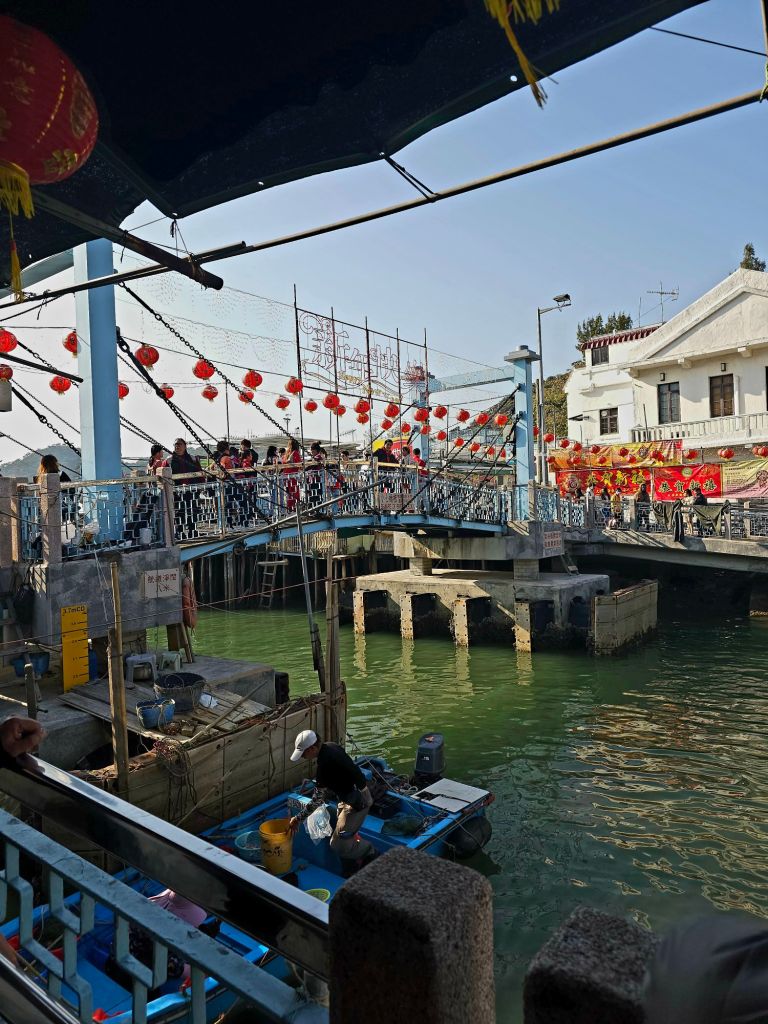
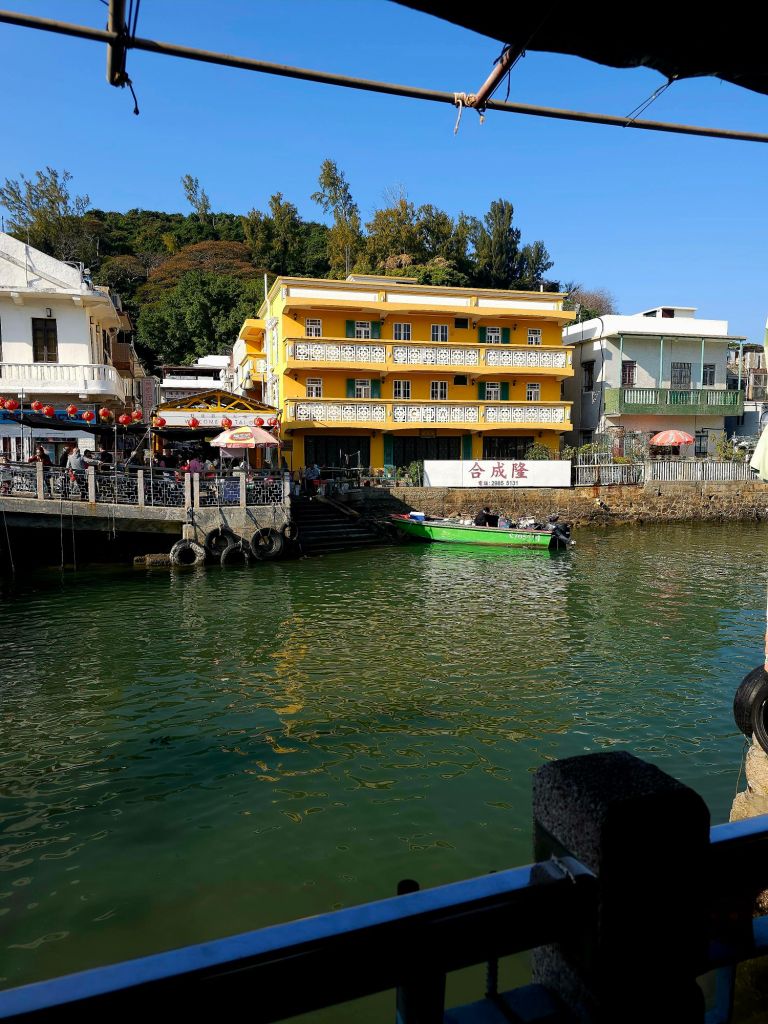
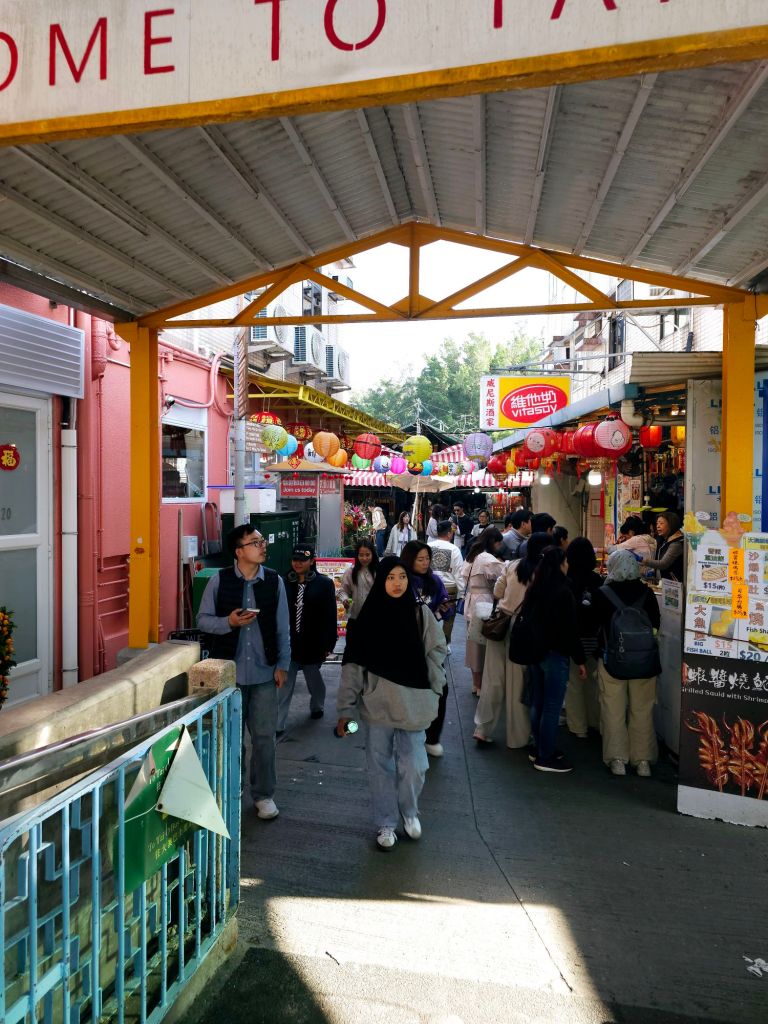
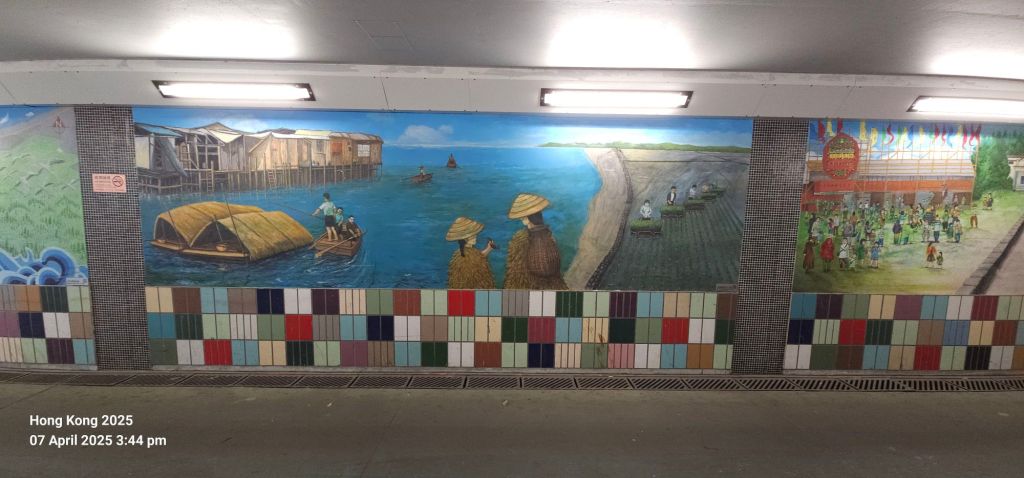
The second hike Nick took me on was to Tai O. This was a little longer than the hike to Mui Wo, but not as much uphill, so it was slightly easier. It was, though, on the first day of the Chinese New Year, so when we reached there, it was crowded. Tai O is a fishing village located on Lantau Island, on the opposite side to Mui Wo. The village is known for its scenic stilt houses (pang uks) over the water. The settlement dates back around 300 years, and was involved in smuggling and piracy due to its secluded inlets. It was briefly occupied by the Portuguese in the 16th century but was resettled after the Great Clearance in 1669. It became a Tanka fishing village under British rule, saw naval anti-piracy battles and served as an entry point for immigrants during and after the Chinese Civil War. It once had a thriving salt and fishing industry, but this is all in decline due to a declining fishing industry, an ageing population, and fire damage that occurred in 2000. It remains a beautiful and unique destination – the Venice of Hong Kong.
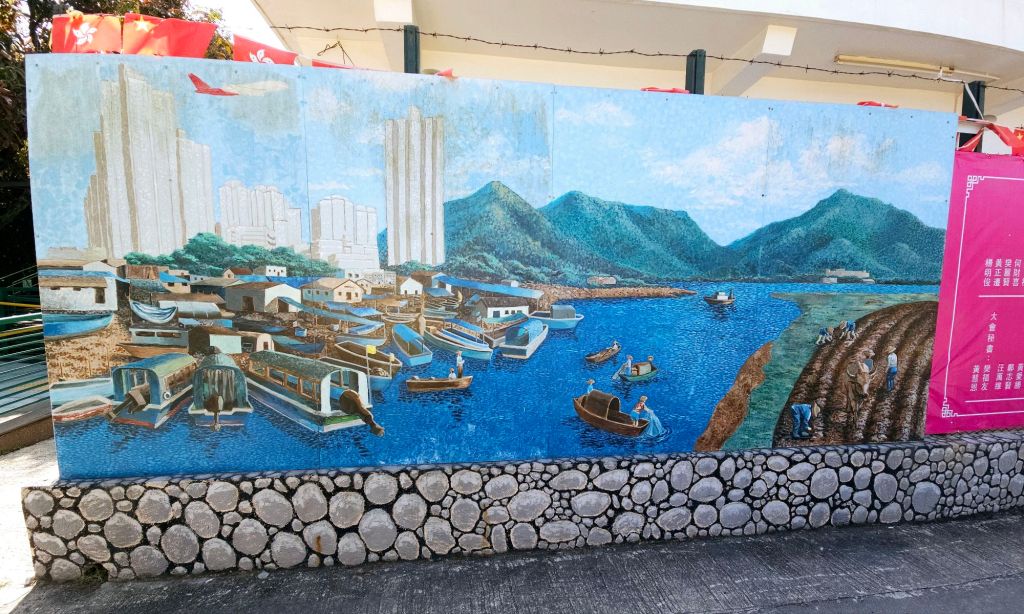
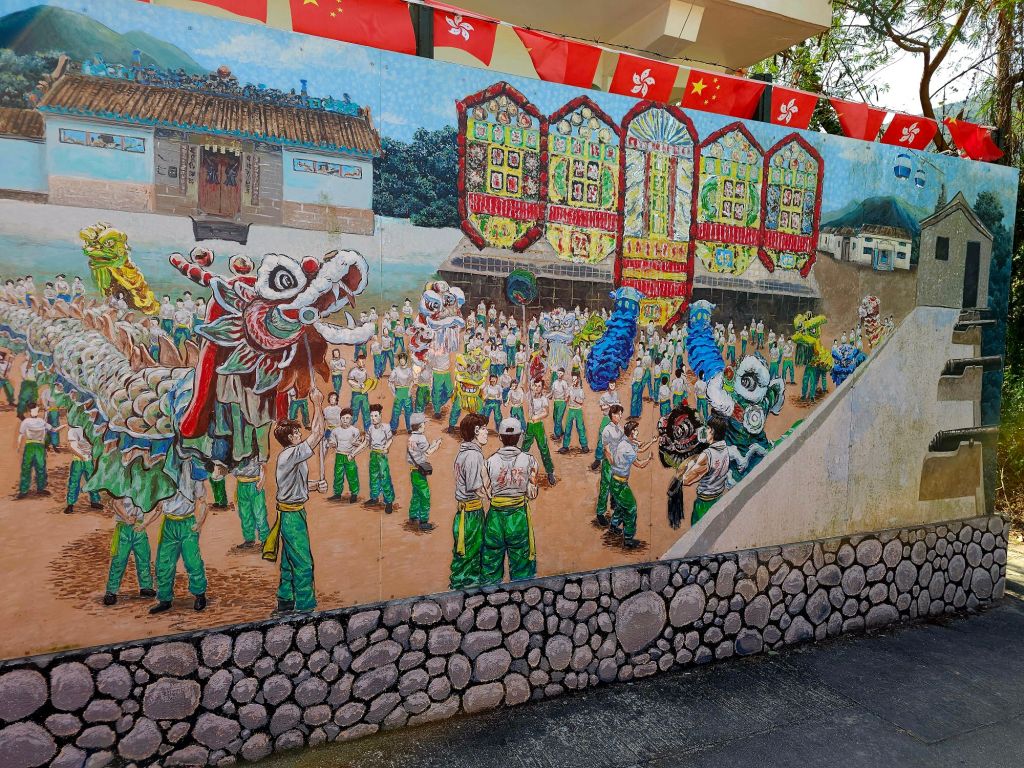
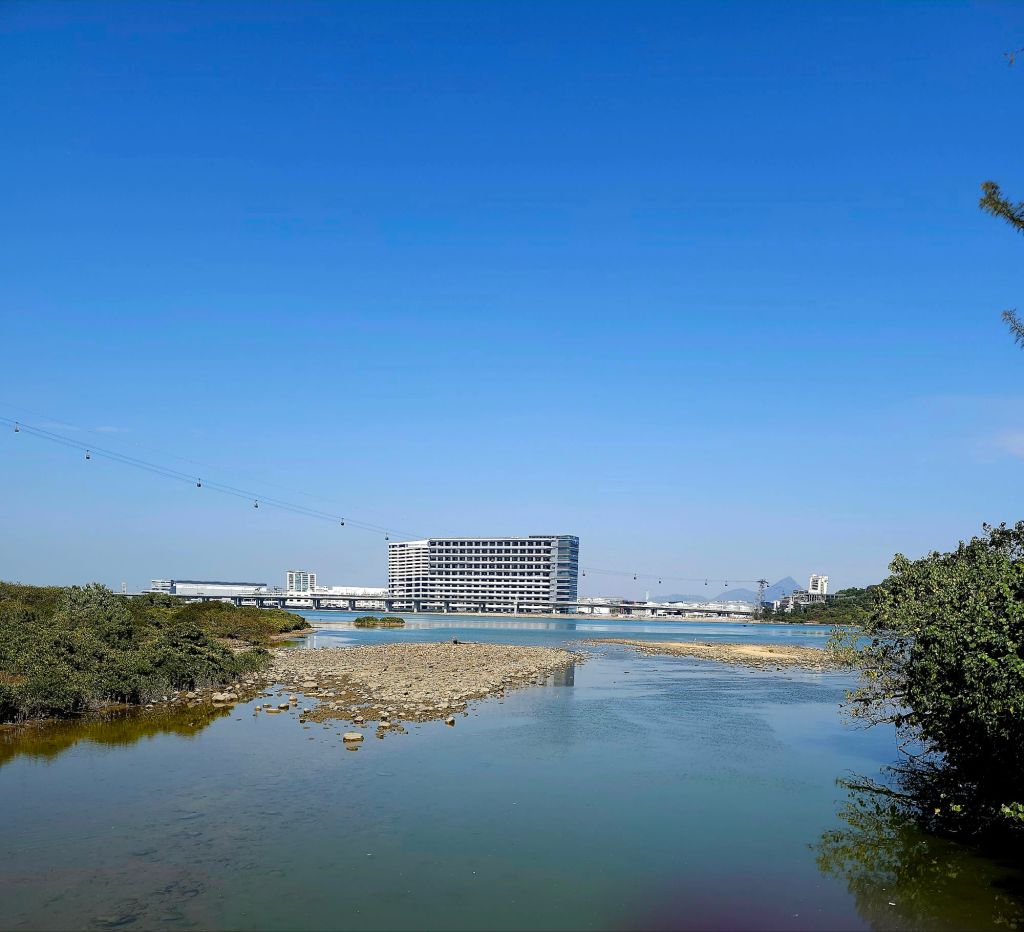
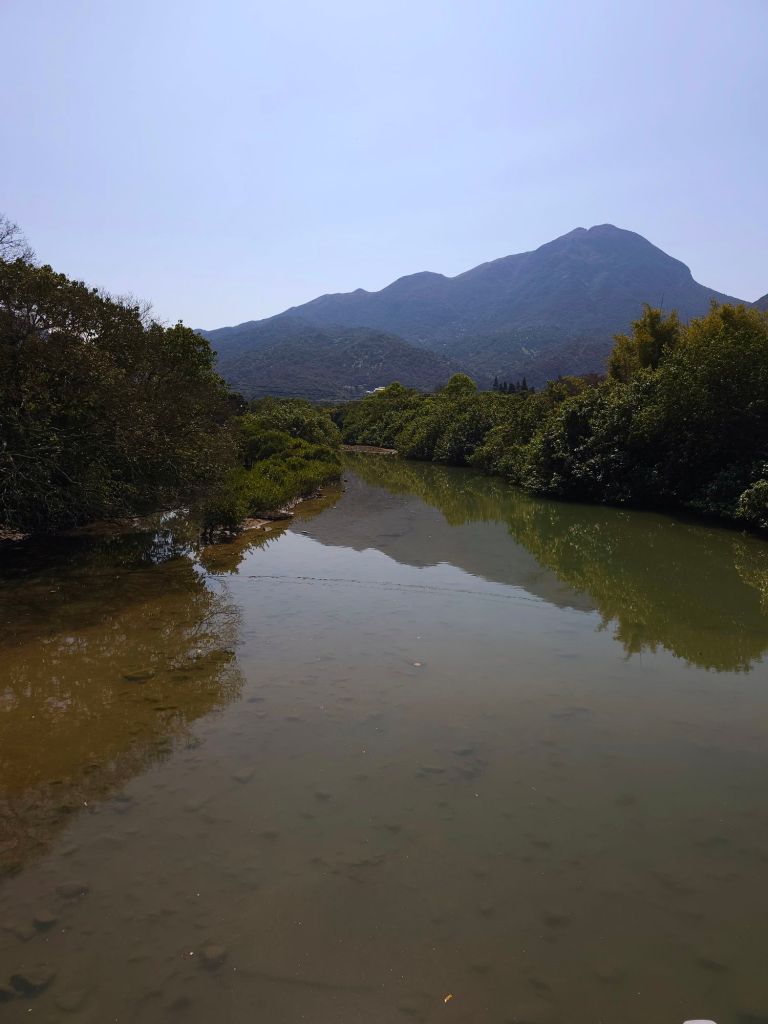
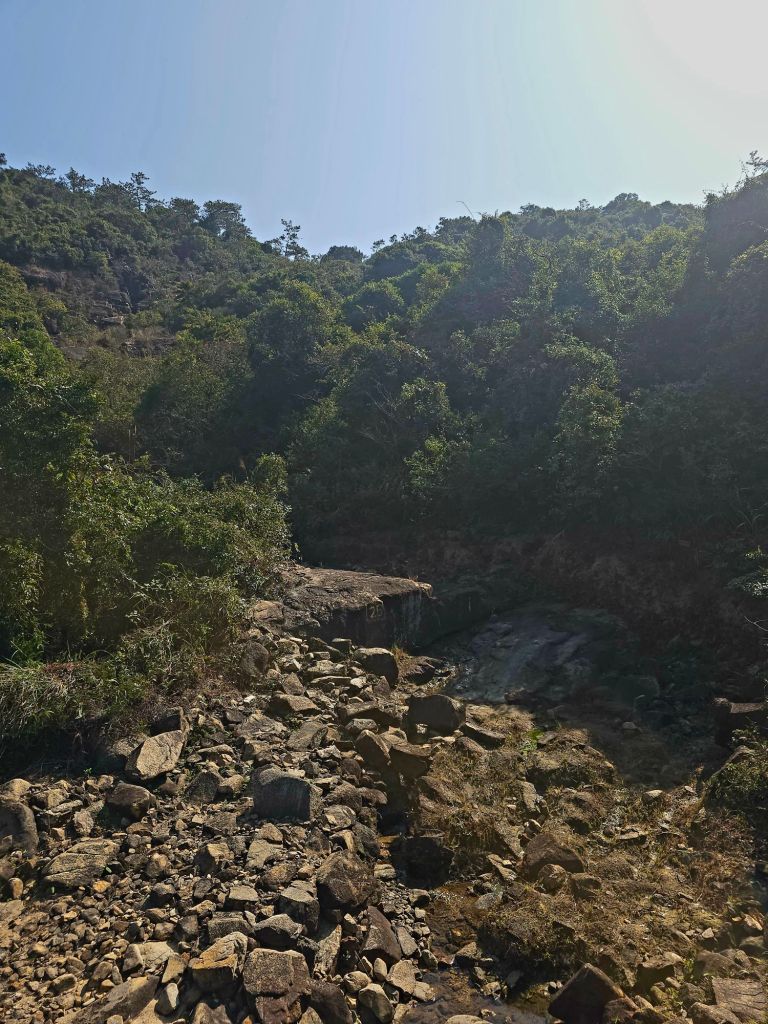
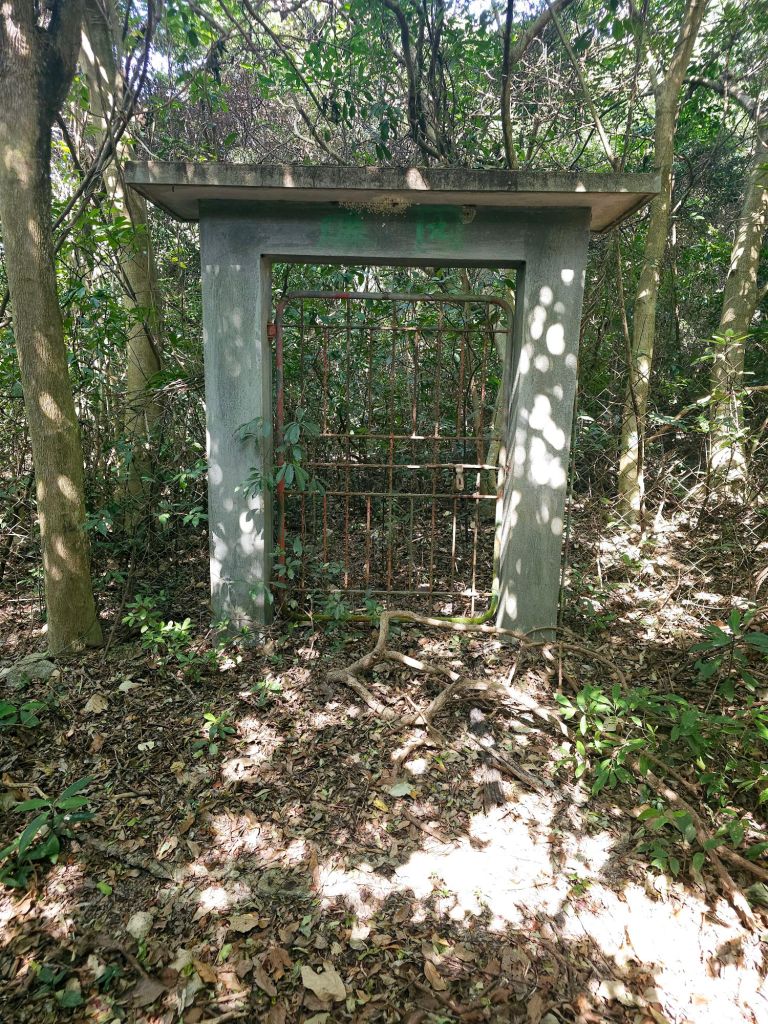
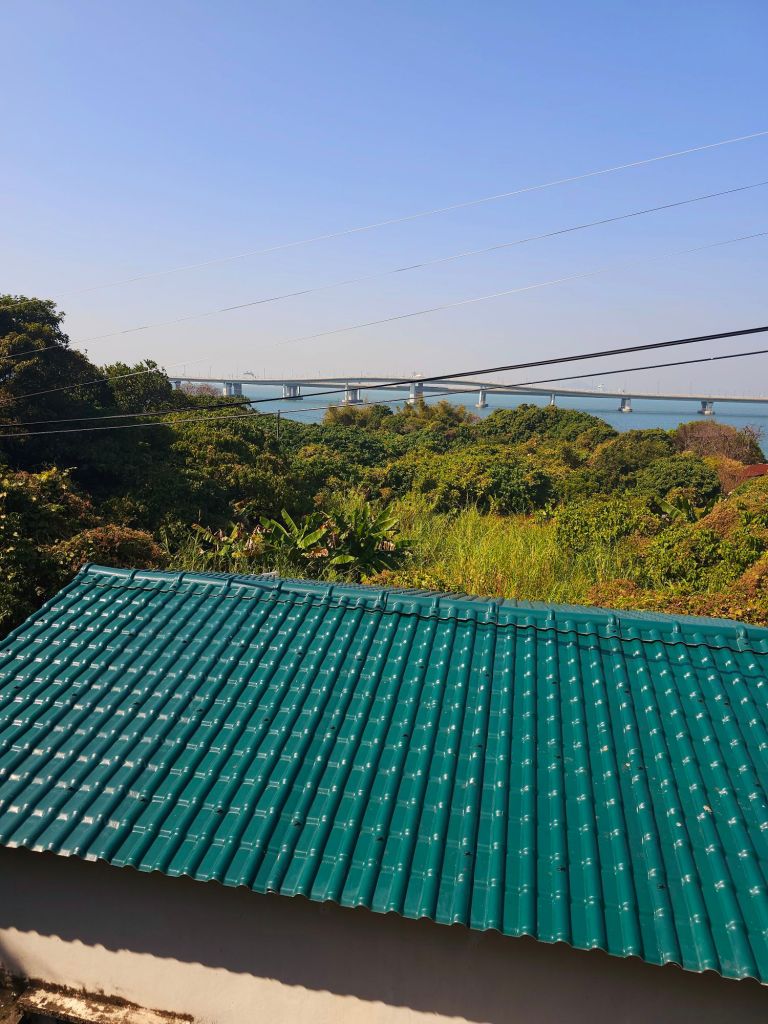
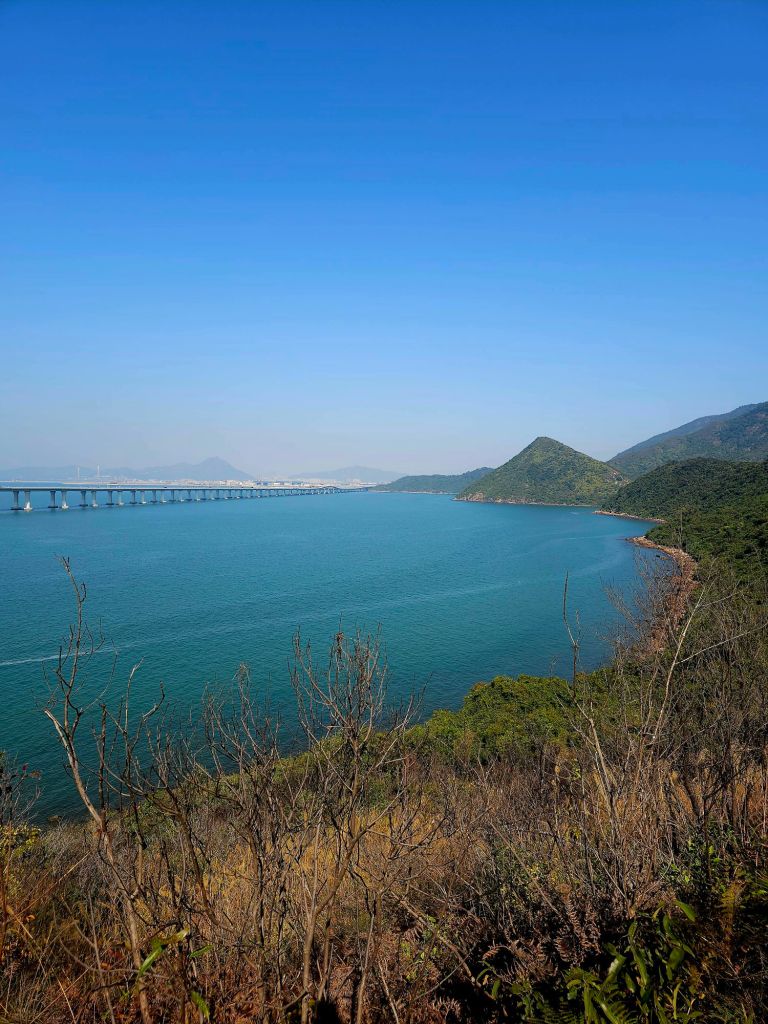
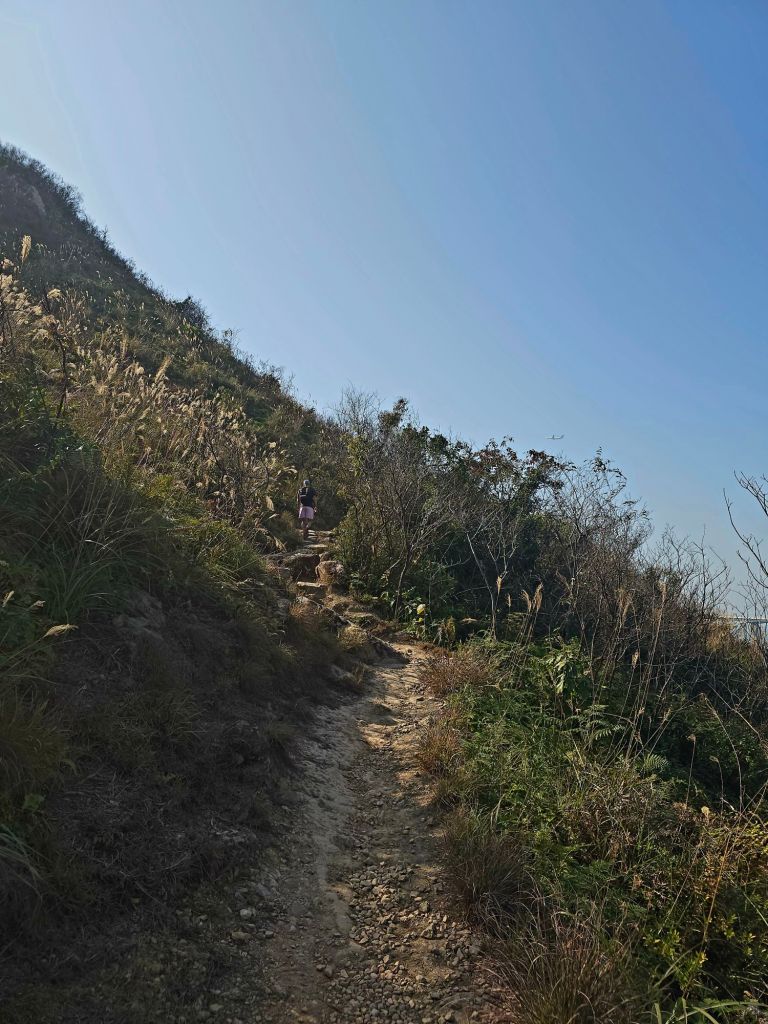
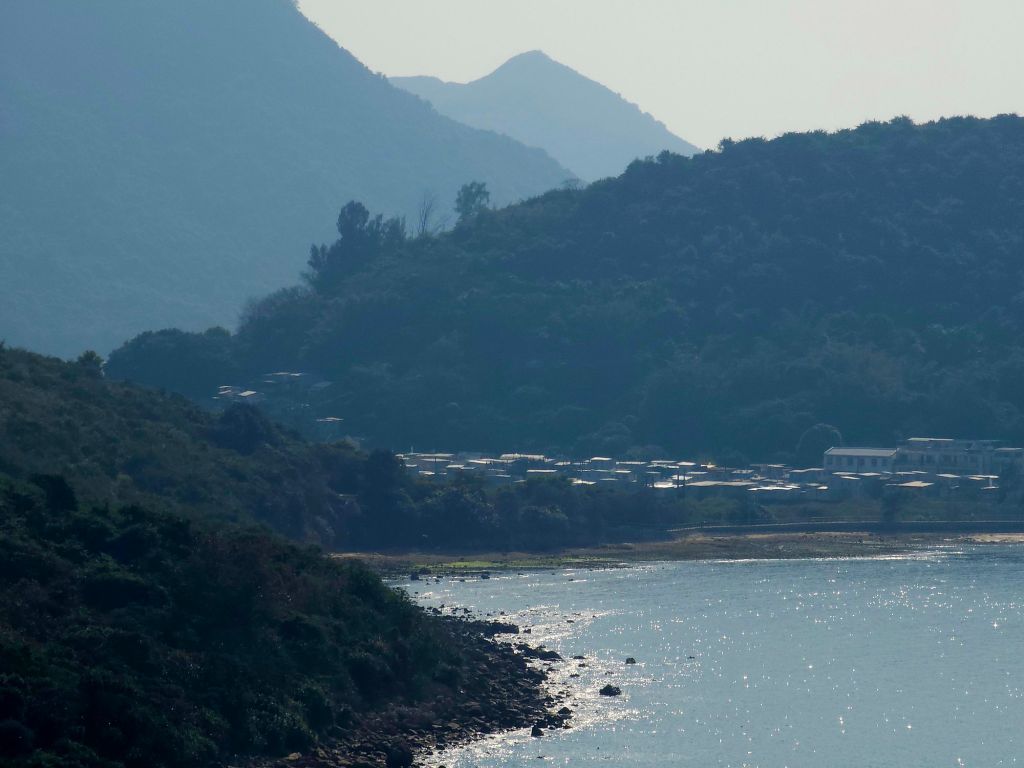
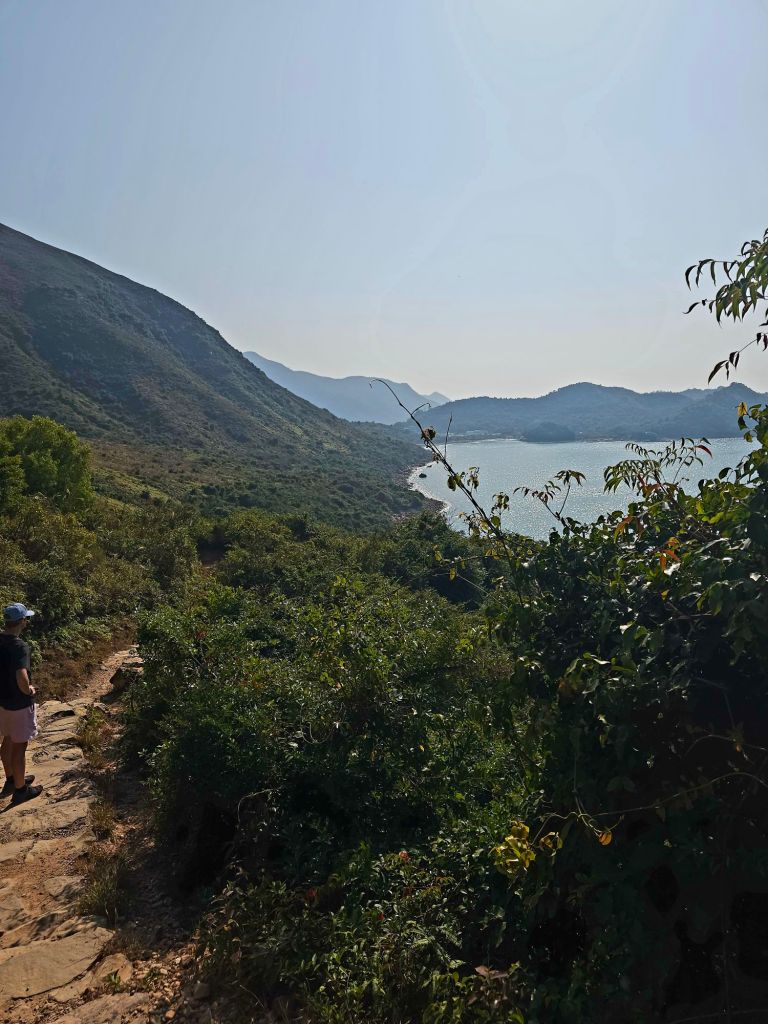
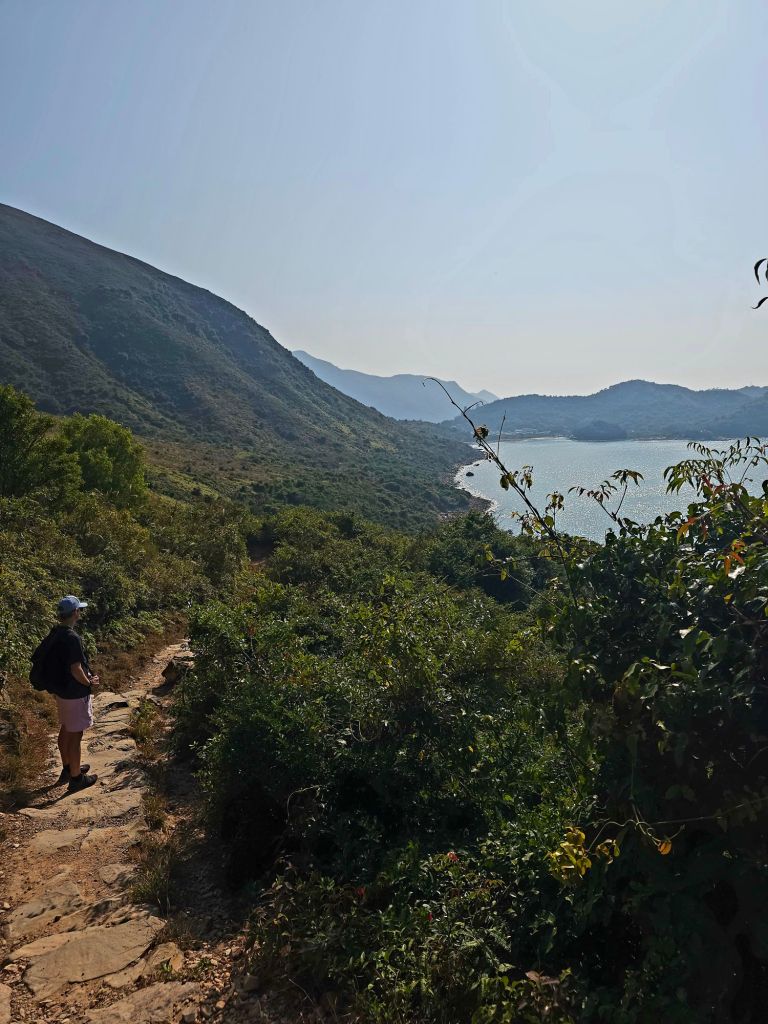
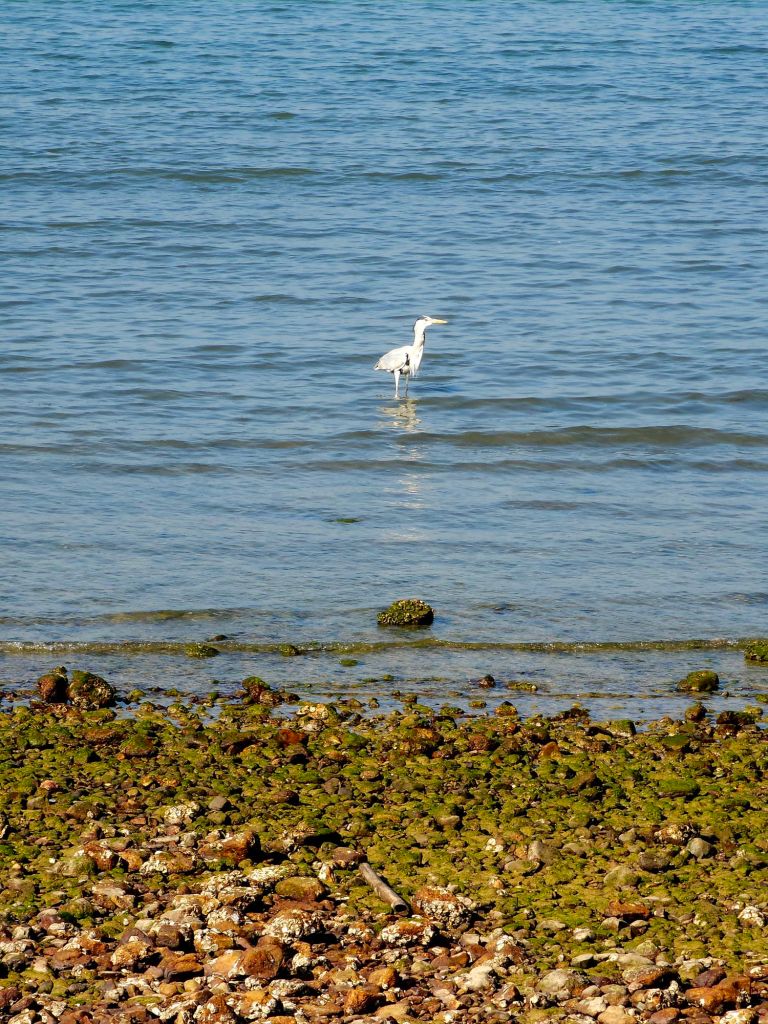
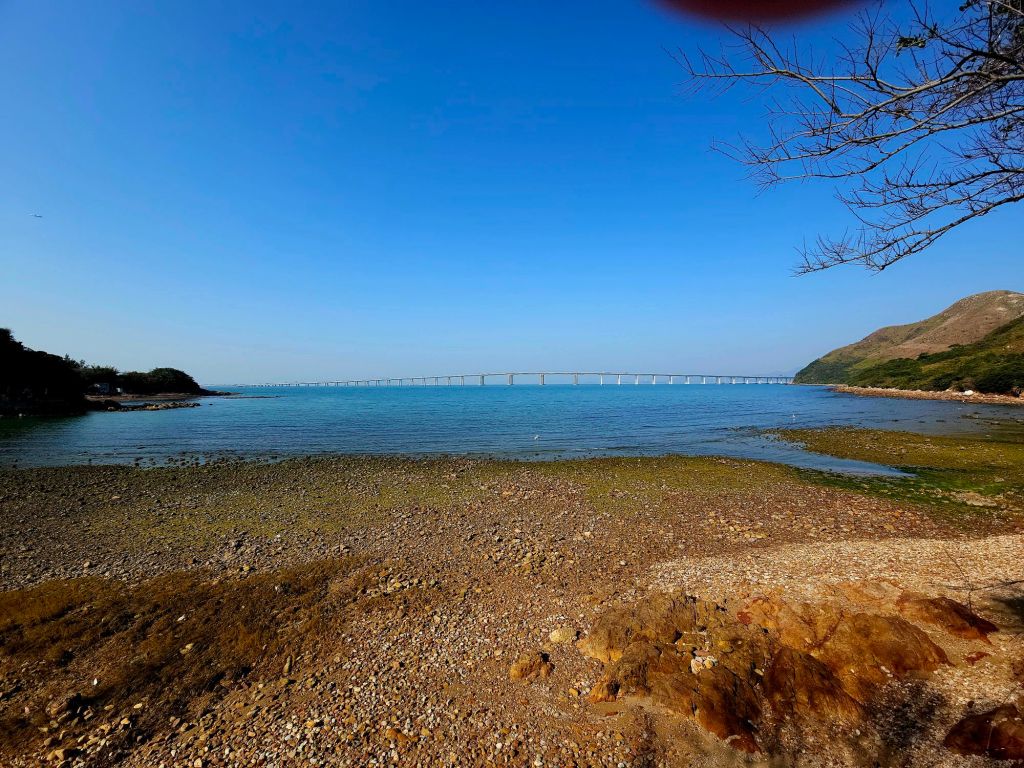
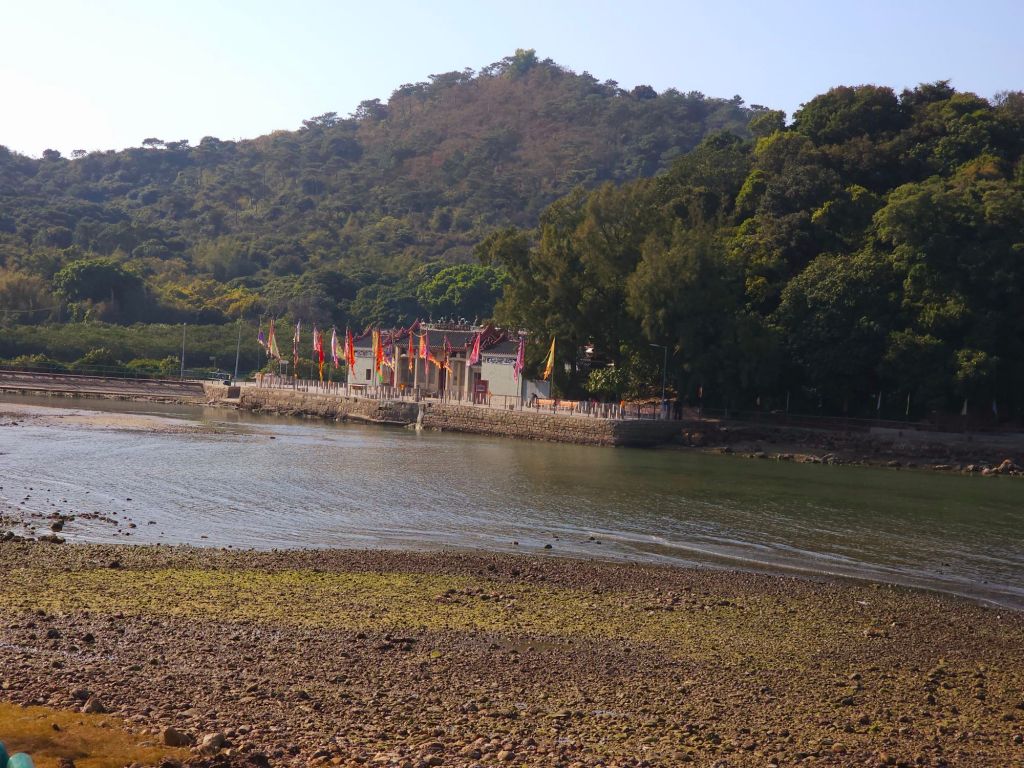
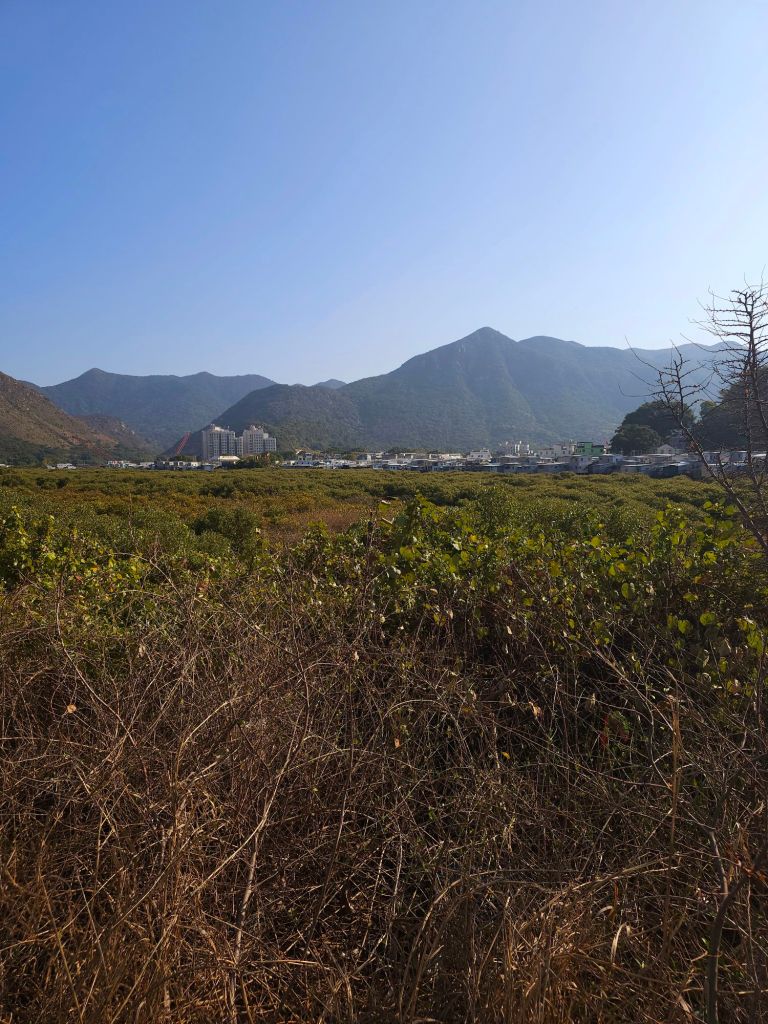
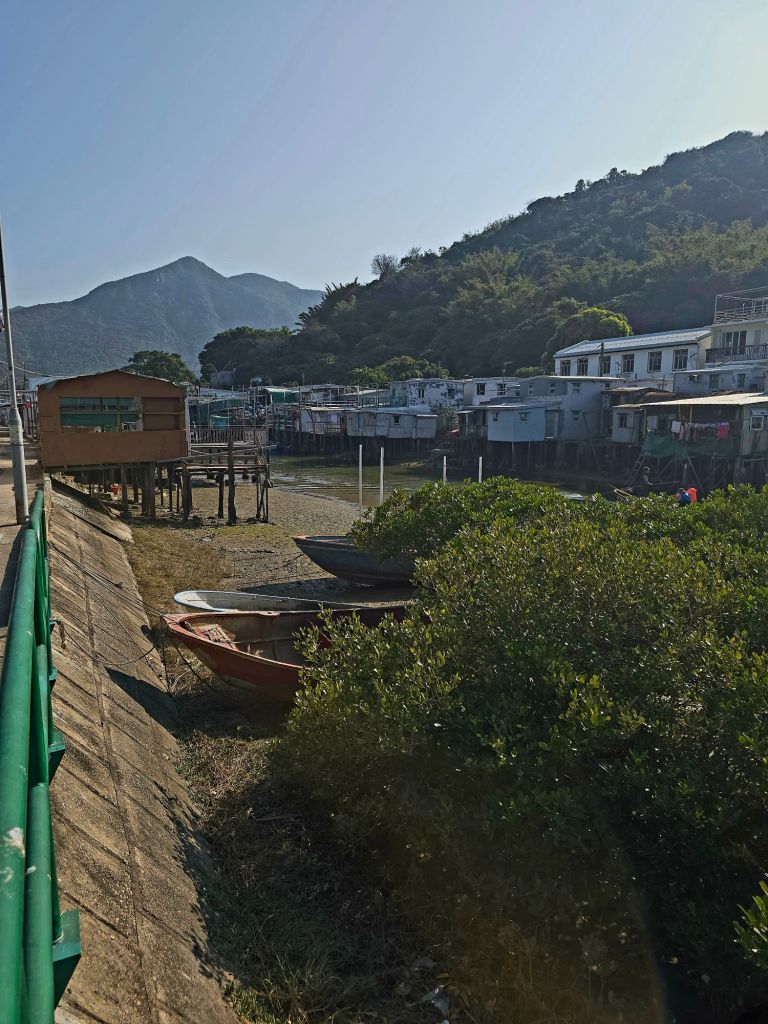
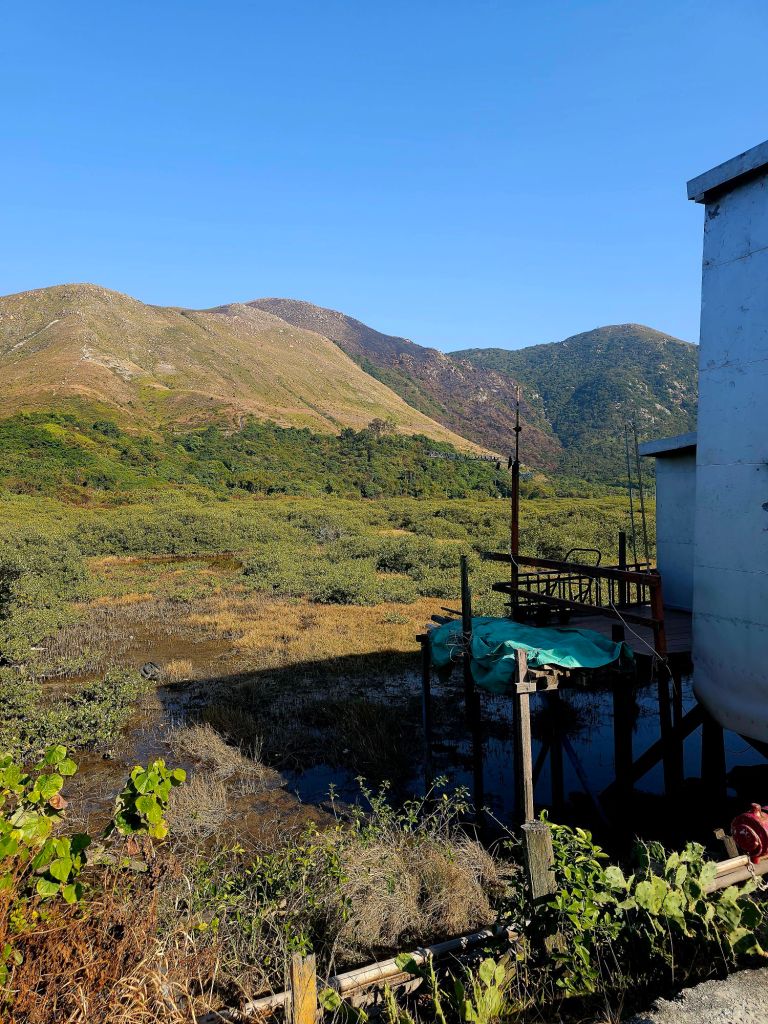
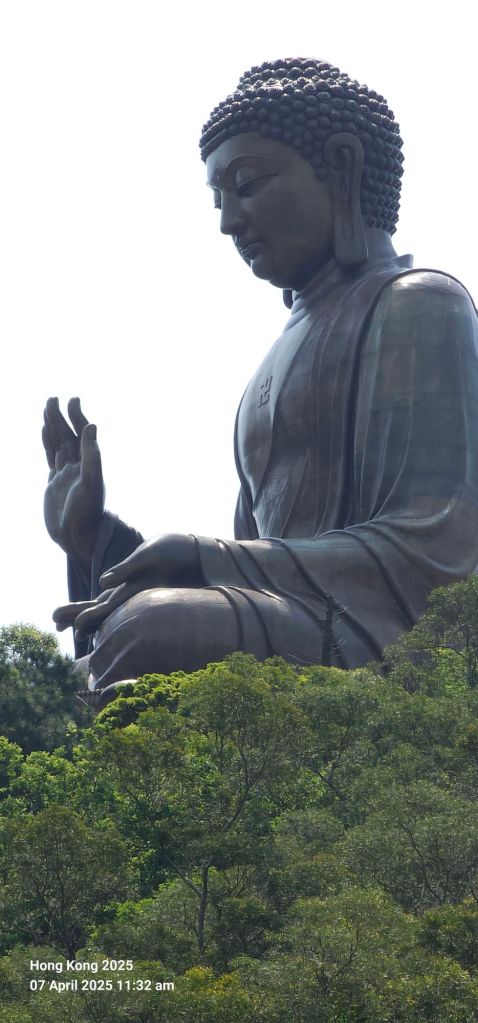
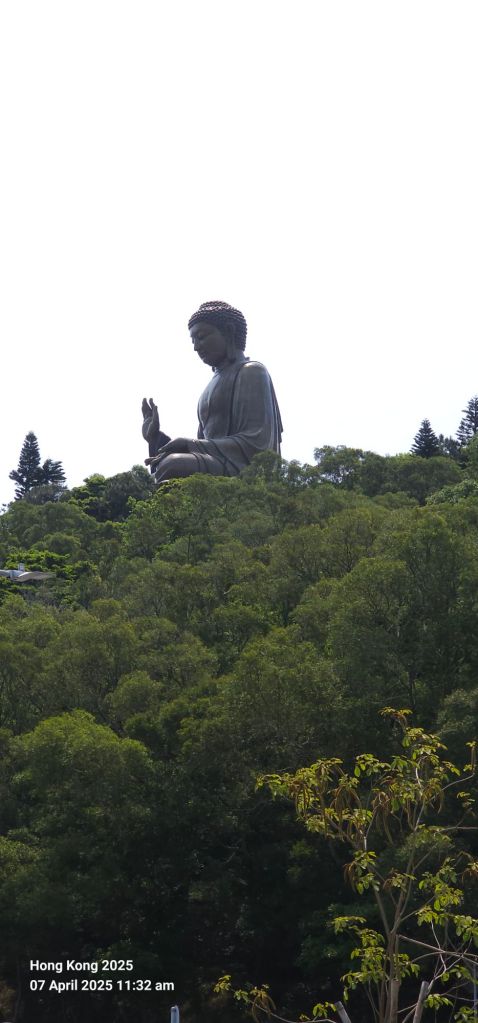
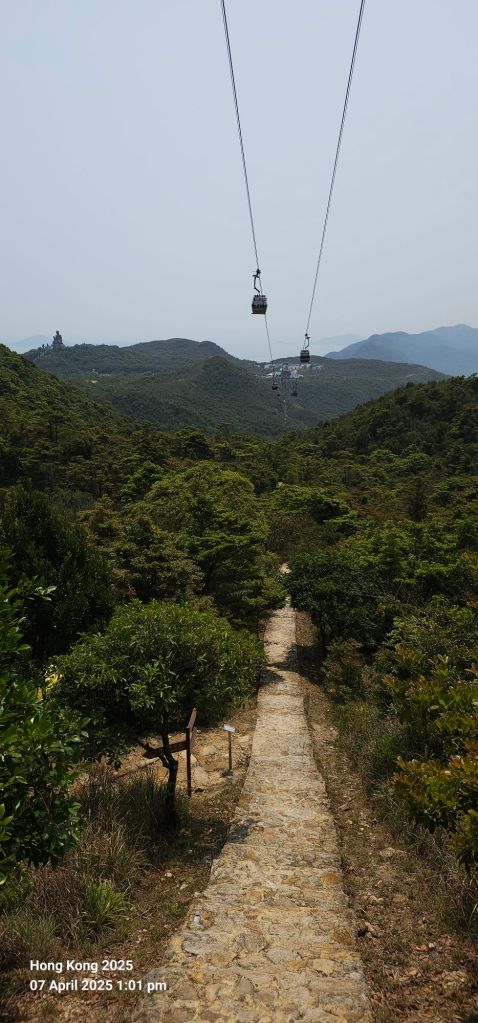
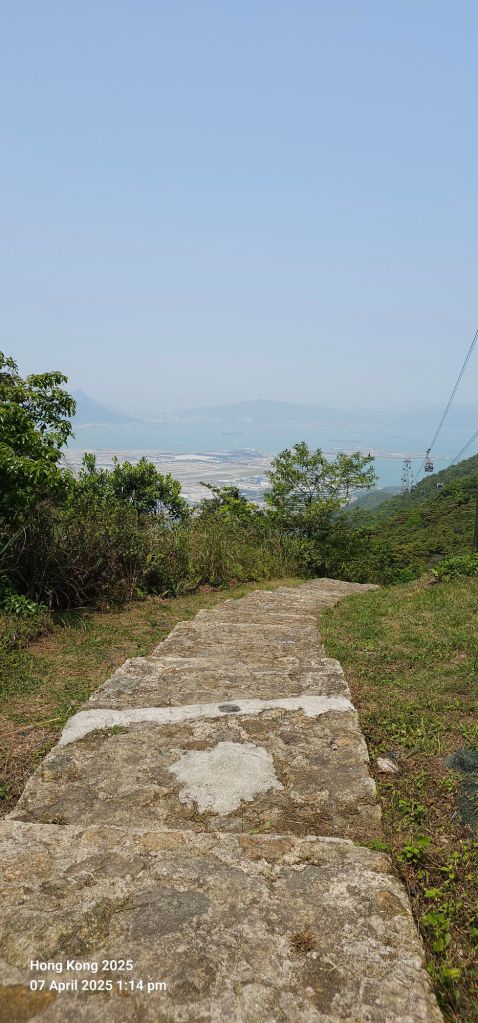
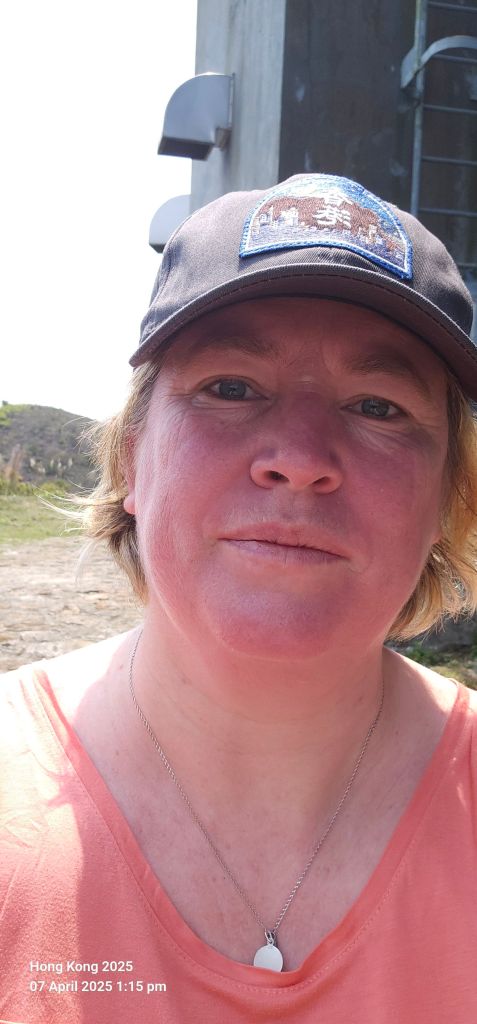
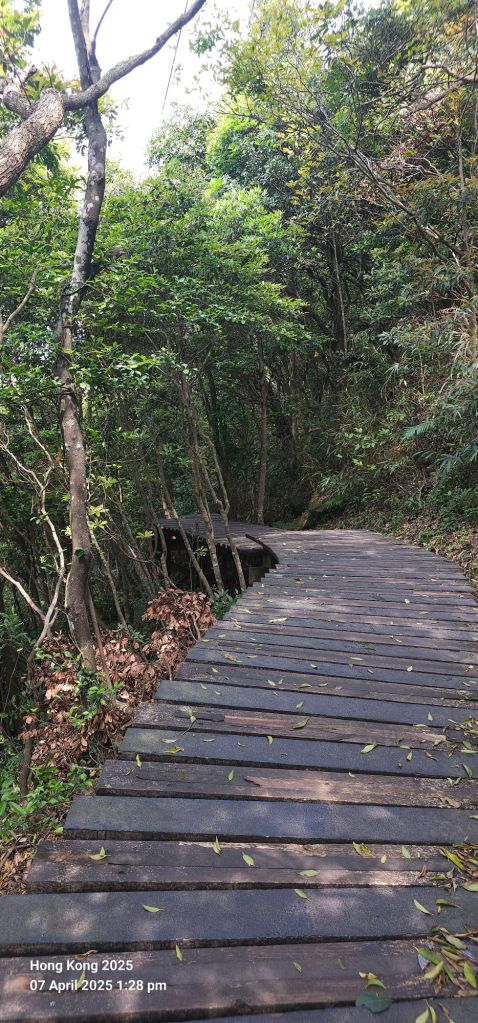
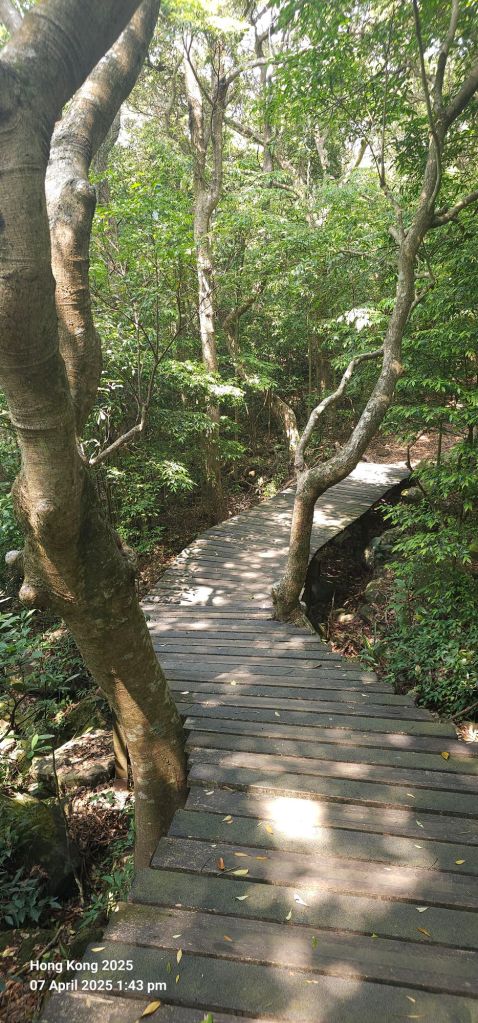
The other hike I did, I did alone. I got the bus up to the Big Buddah. Decided to have a bite to eat and drink before I set off. I organised a lovely route before I set off. I bought a cap as I was without one, but didn’t think about water. This proved to be a bad idea, as although it should have been downhill, the first 2km were a very steep uphill. I was halfway up when I realised I should have got a bottle of water – why do I do daft things? Too bad there was no way I was going back, as even though some of it was downhill, there were still other parts that were uphill. Onwards we went, only to find that the path my phone was guiding me on was closed to the public. So, we took a scenic detour here. Thankfully, it led me straight out onto a path that I knew from the walk to Tai O and not too far into that hike from home. There was also a lovely vending machine next to a recreational centre where I managed to quench my thirst. Believe me, lesson learned.
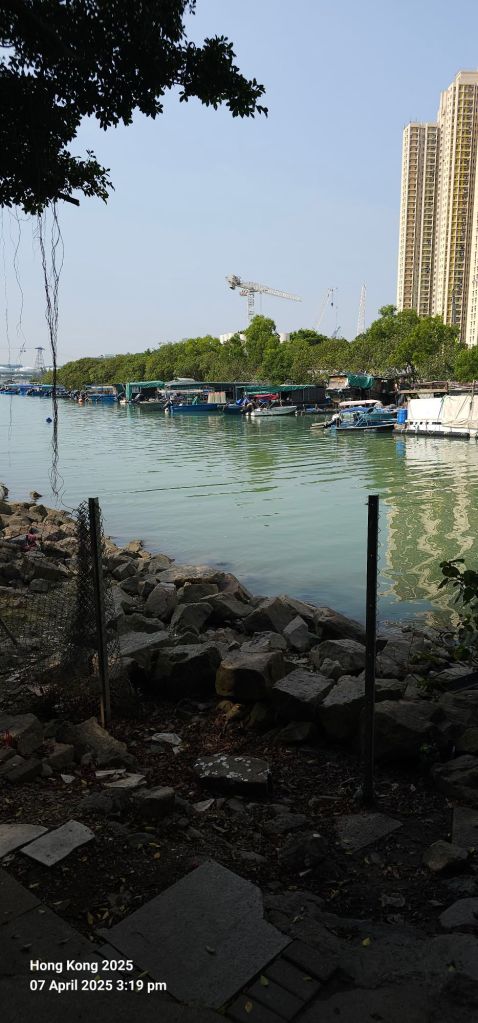
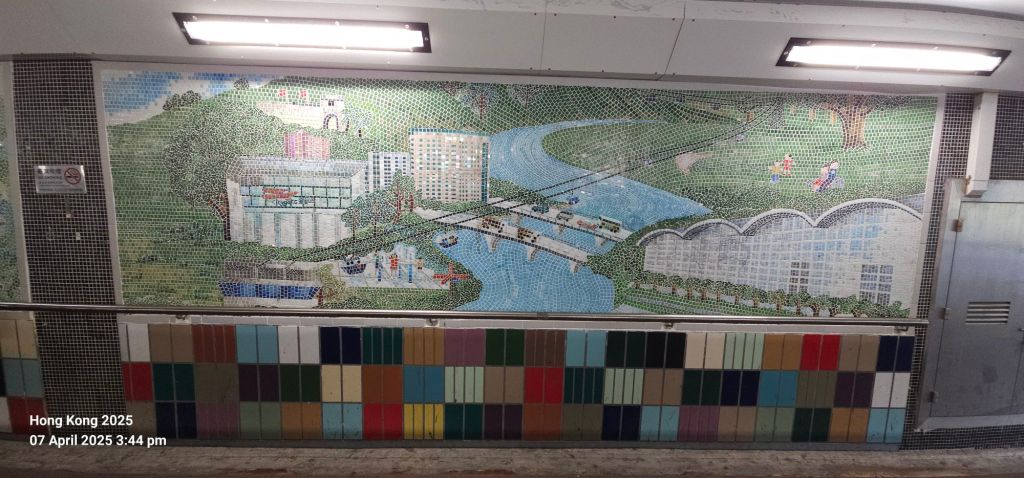
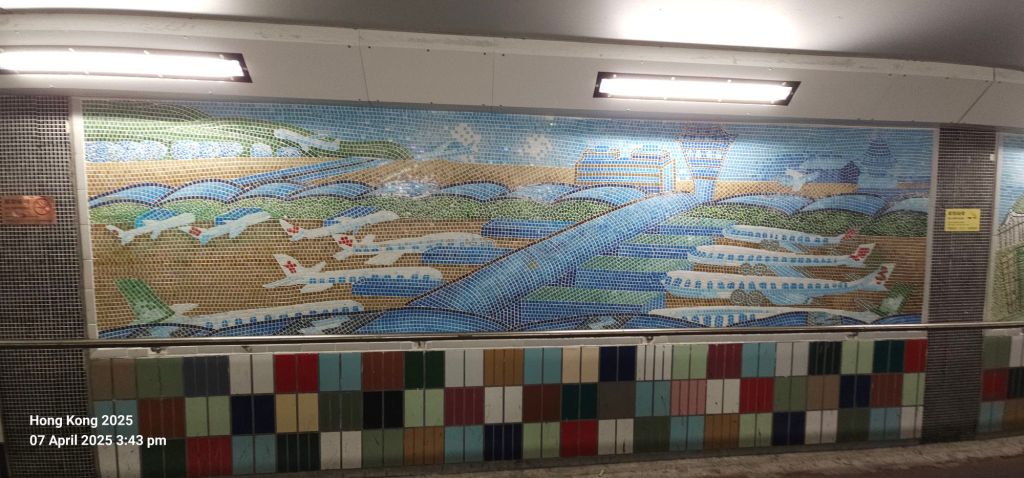
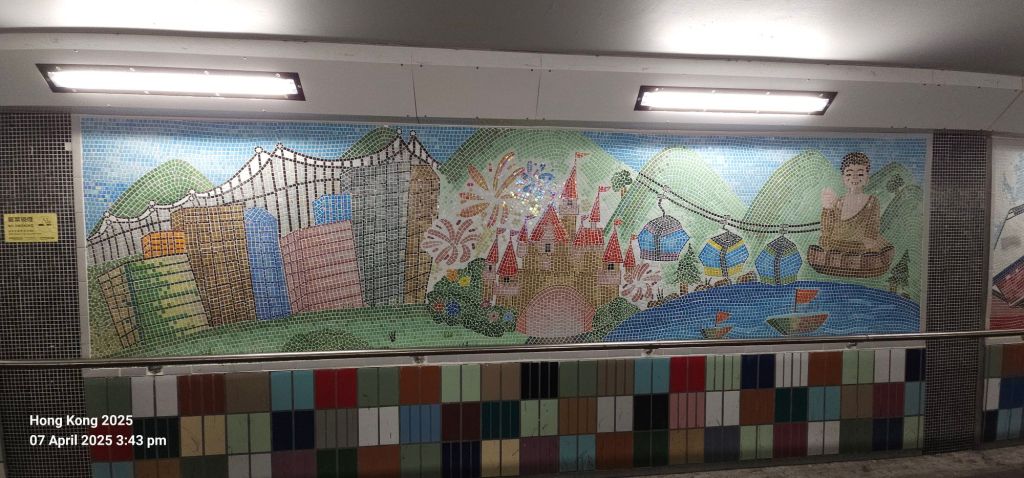
Easter came and went. We had a lovely Easter service at Church. Good Friday was a solemn occasion at St. Andrews, but it was followed by a lovely fellowship of lunch and coffee with a group of friends. I spent Easter Sunday celebrating with Jessica, Tim, and Taliah, after another lovely service.
After Easter, the weather has become way too hot to do any hikes, or at least long hikes. So instead, I went to museums and temples. There are a lot of temples in Hong Kong, and although not something I worship, they are beautiful and interesting to go and see. They are all built for different gods or deities.
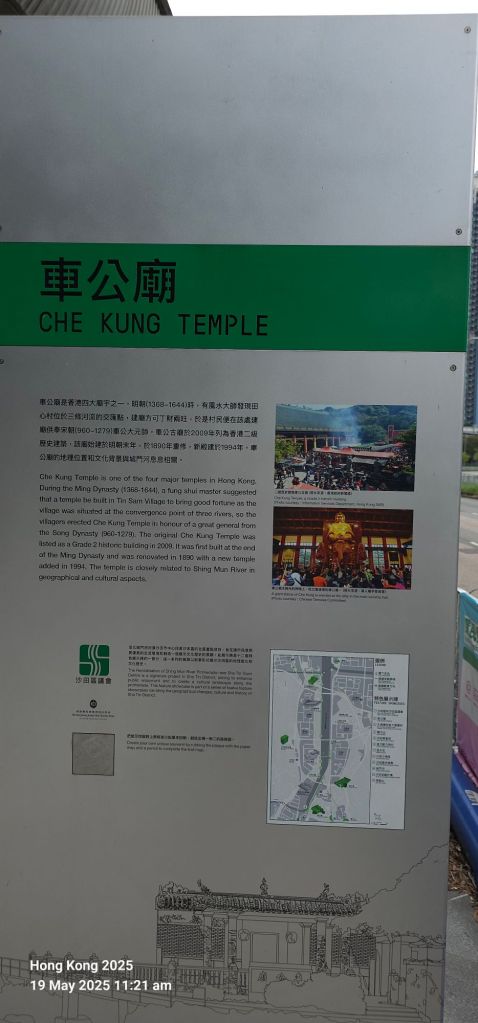
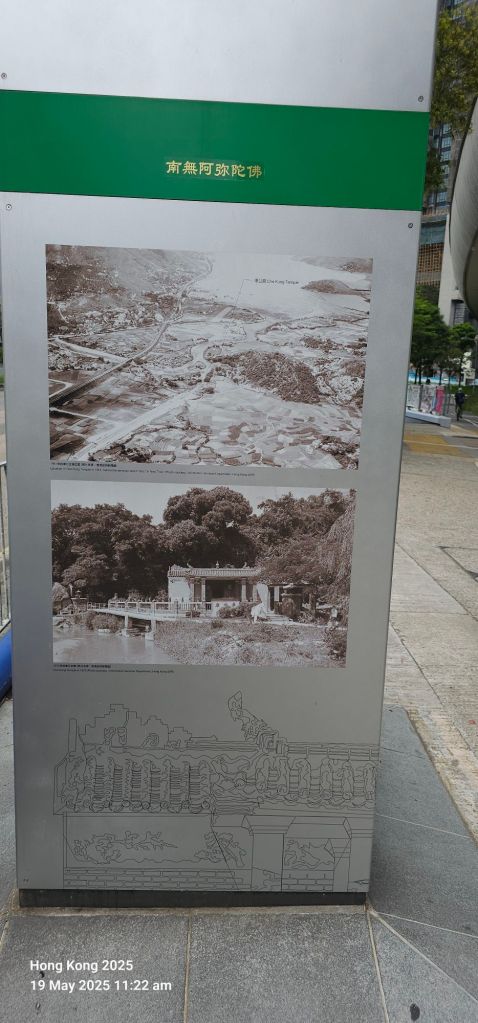
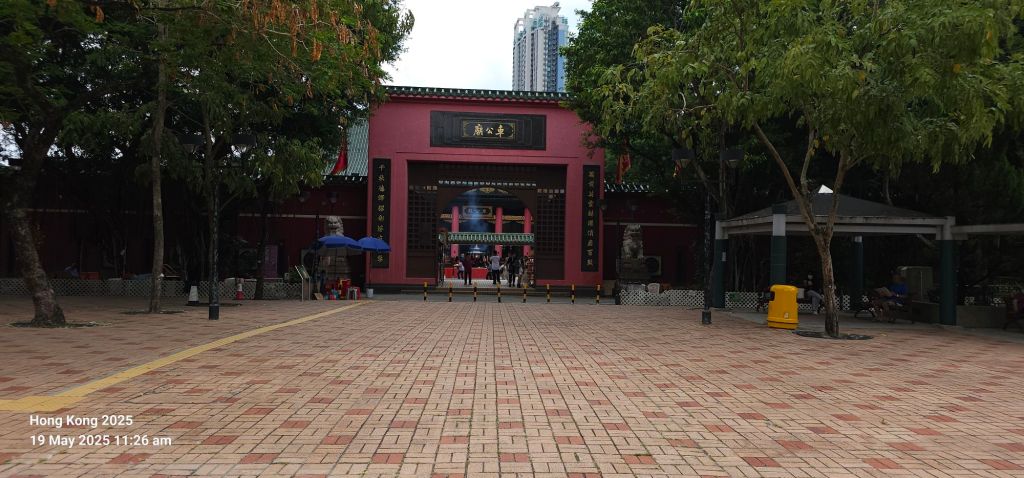
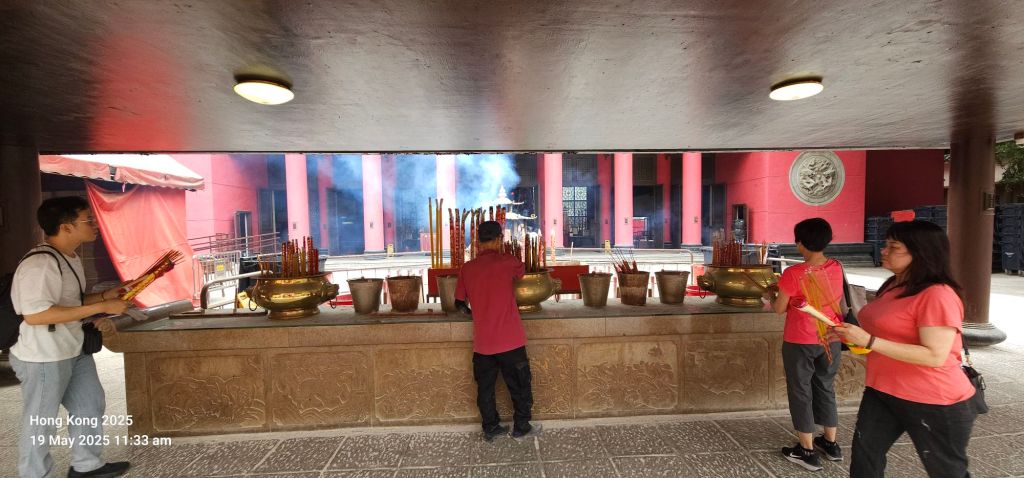
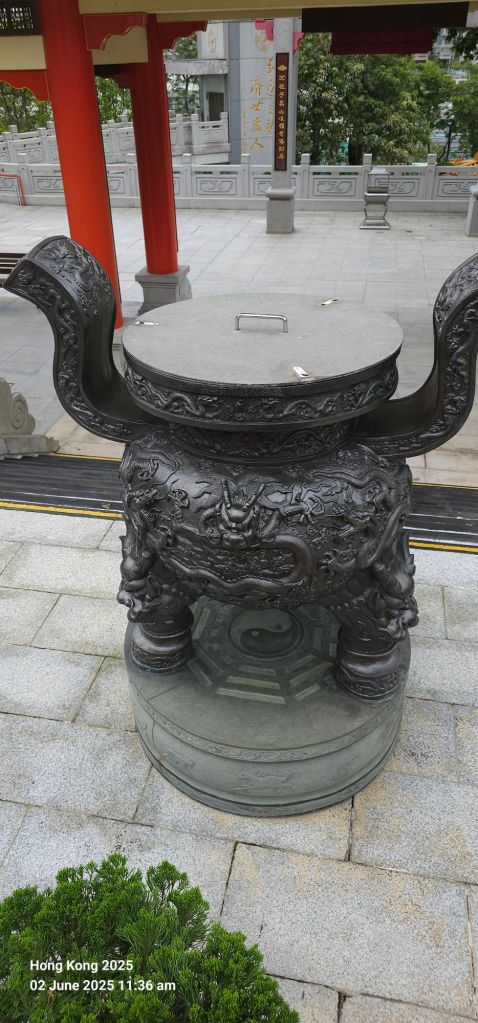
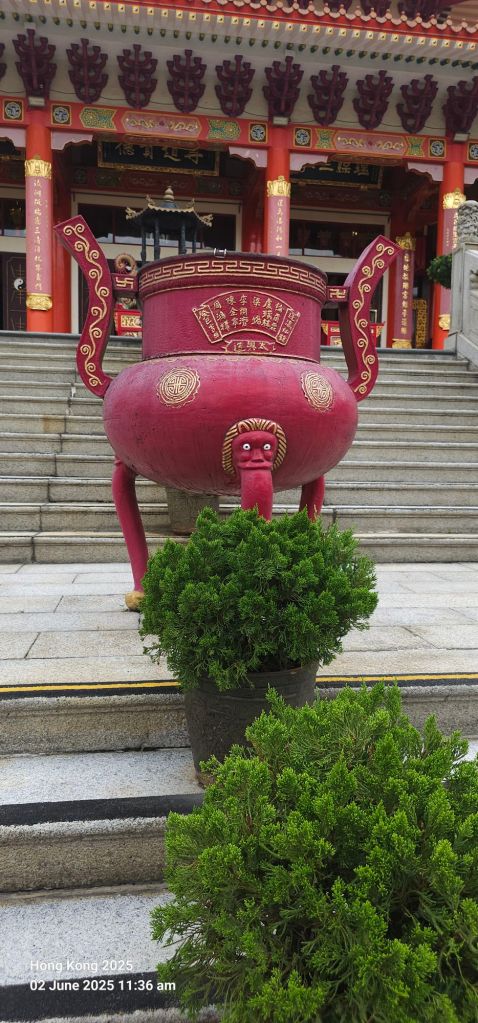
The first temple I visited was Che Kung Temple in Sha Tin. This temple was built in the Ming Dynasty and dedicated to Che King (also known as General Che), a loyal and brave military commander from the Song Dynasty. He is revered for escorting the last Song emperors to safety during the Mongol invasion and for his role in suppressing rebellions and clearing epidemics. The temple was, in fact, initially constructed in response to an epidemic in Sha Tin, with locals believing that invoking Che Kung’s name would bring protection and healing. According to legend, the epidemic ended when the temple was completed. This is still an active temple, and while I was there, a steady stream (more than I had seen before) was coming in and bowing with incense. Rubbing an idol for money and good luck. Whilst I don’t personally believe it, and I will admit I look at it through the eyes of a Christian, there was apart of me that felt great sadness and curiousity, that there is so much distress and angst in this world, that there is a belief that rubbing on a iron pot will bring us luck and money, it did make me think are there any idols in my life that I worship. If only I could have that, it would make me happy. Maybe my “if onlys” are my idols. When I look up to God, I see how He has worked constantly in my life, taking care of all my needs. I only need Him. I am also very thankful to be able to visit these Temples, which serve as places of worship. There is a sense of tranquillity in these places, and I always feel respectful and pray for God’s guidance. I do not partake in any of the rituals; I merely stand back and observe. However, as a Christian, I find it hard not to see it through my faith and see the emptiness that lies in these incredible statues.
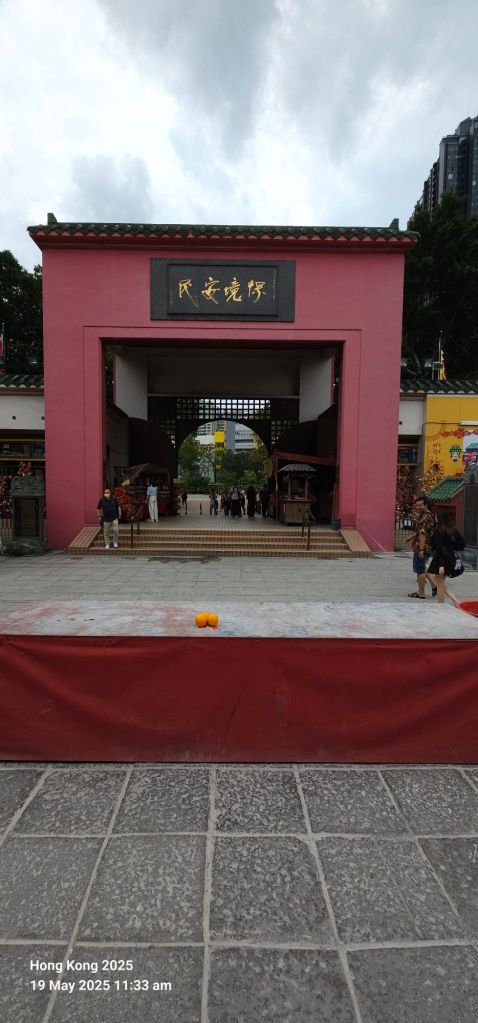
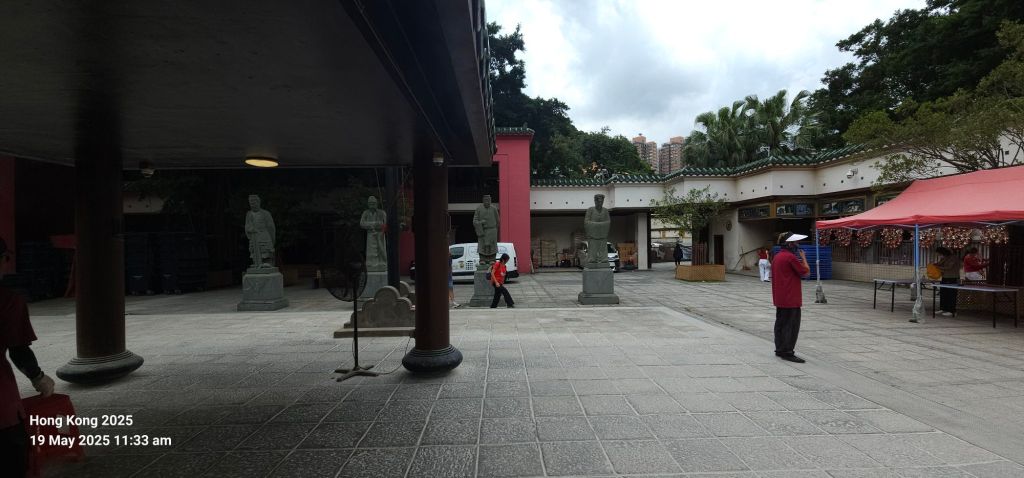
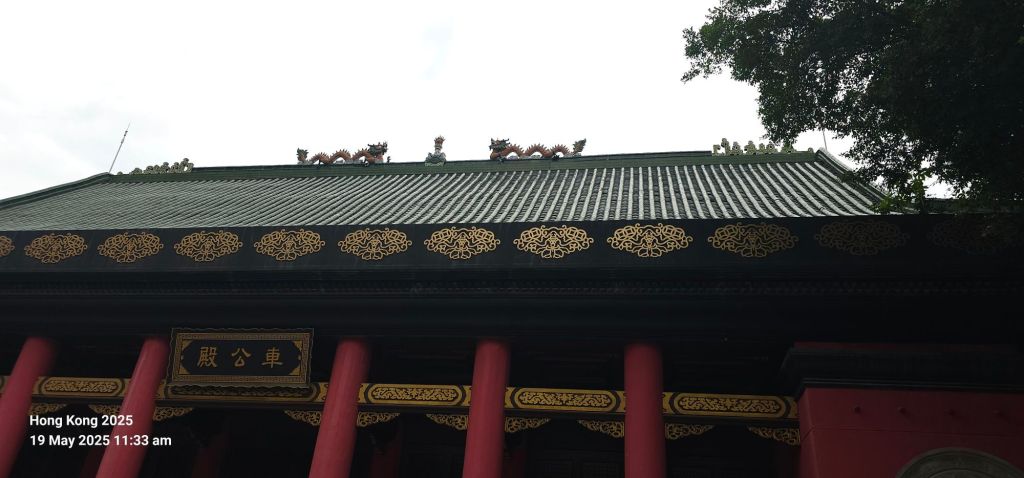
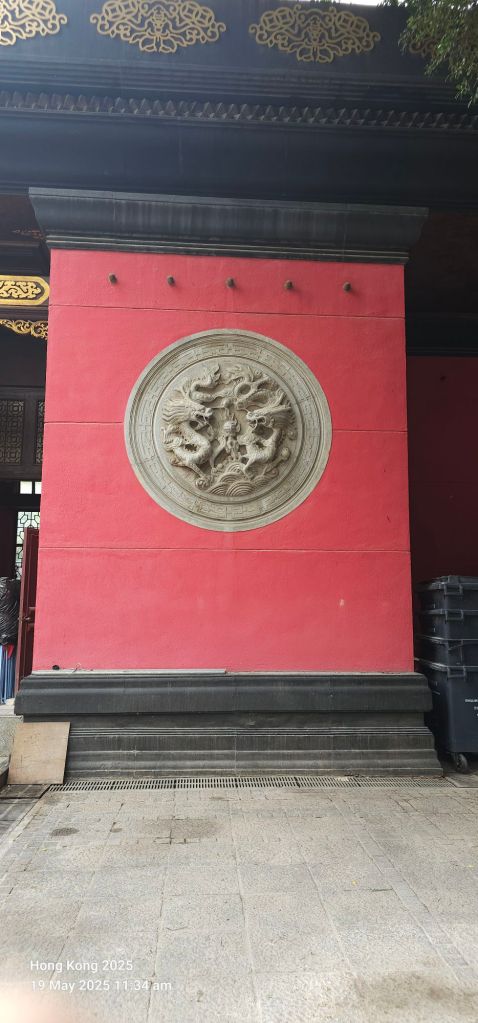
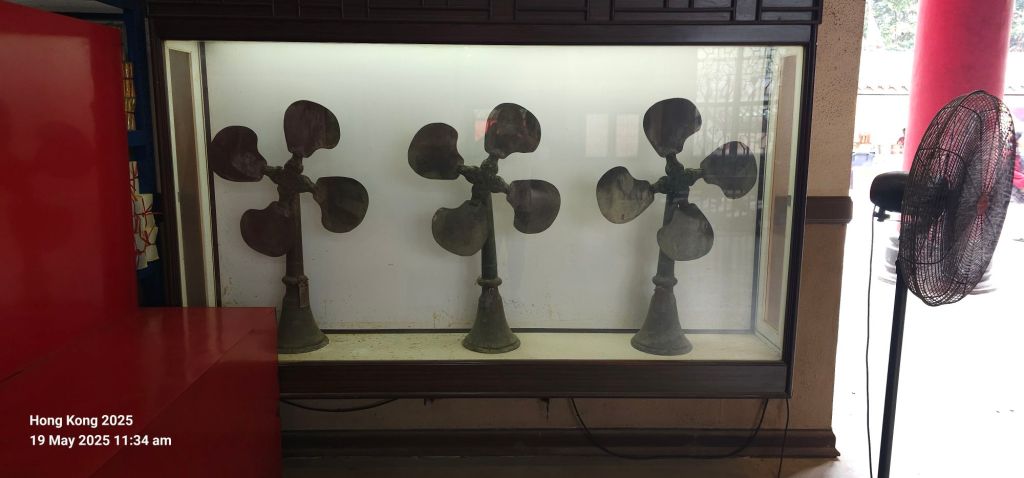
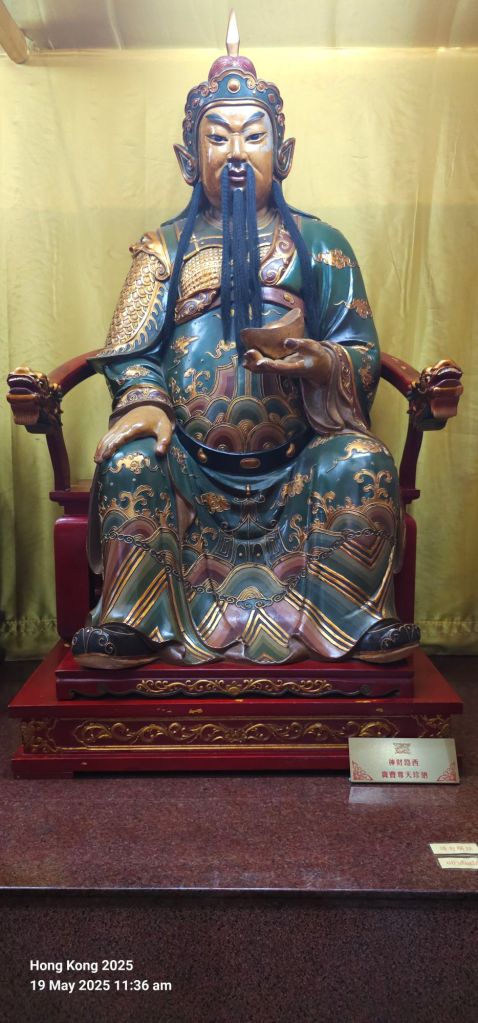
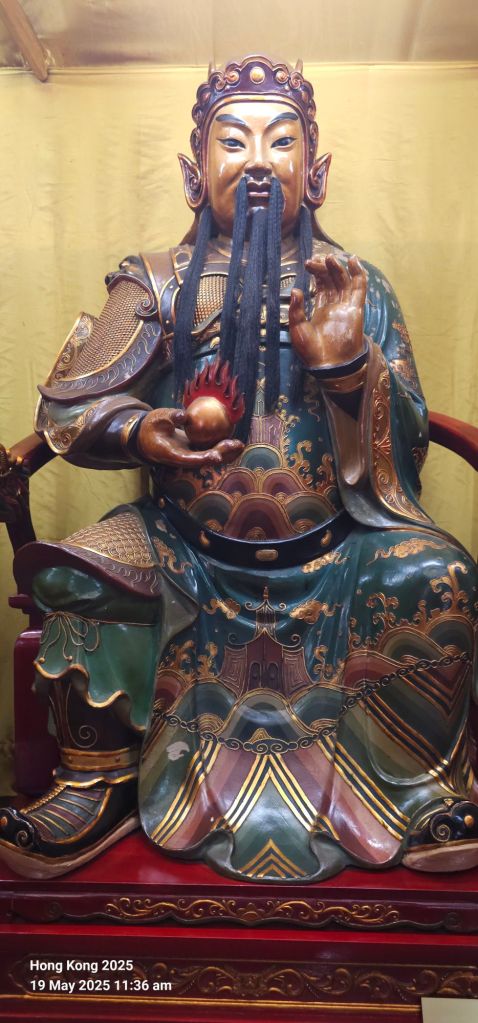
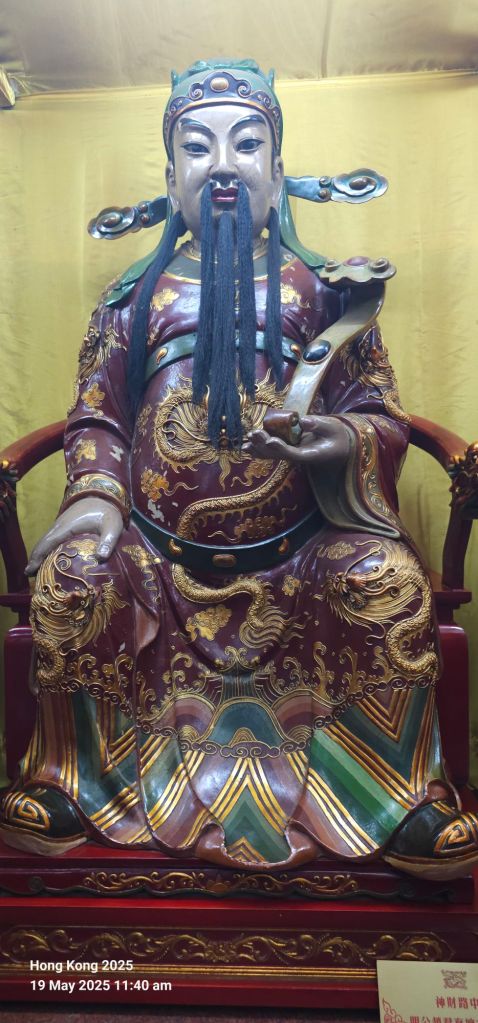
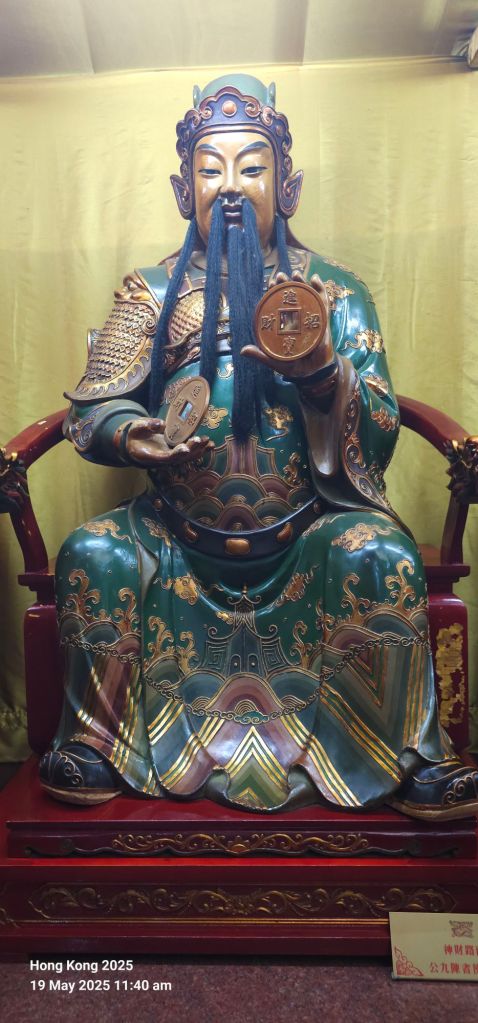
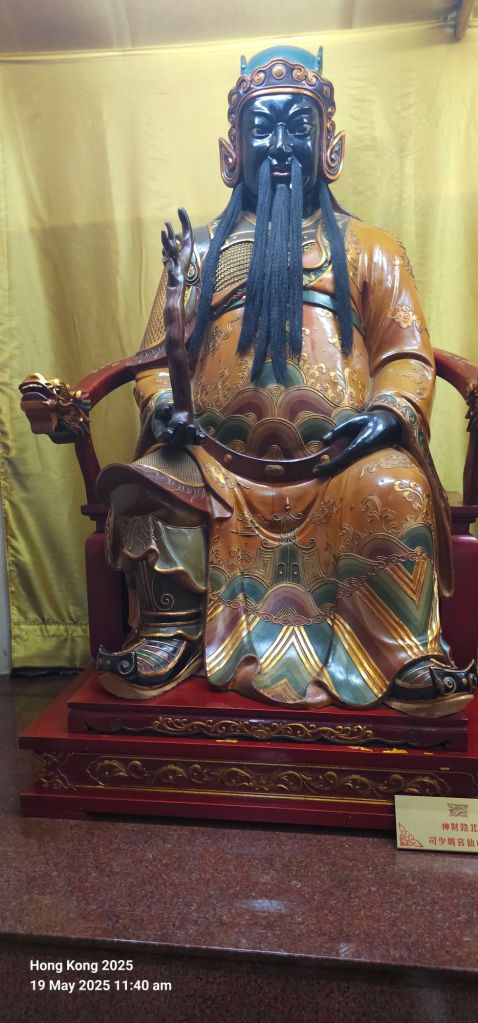
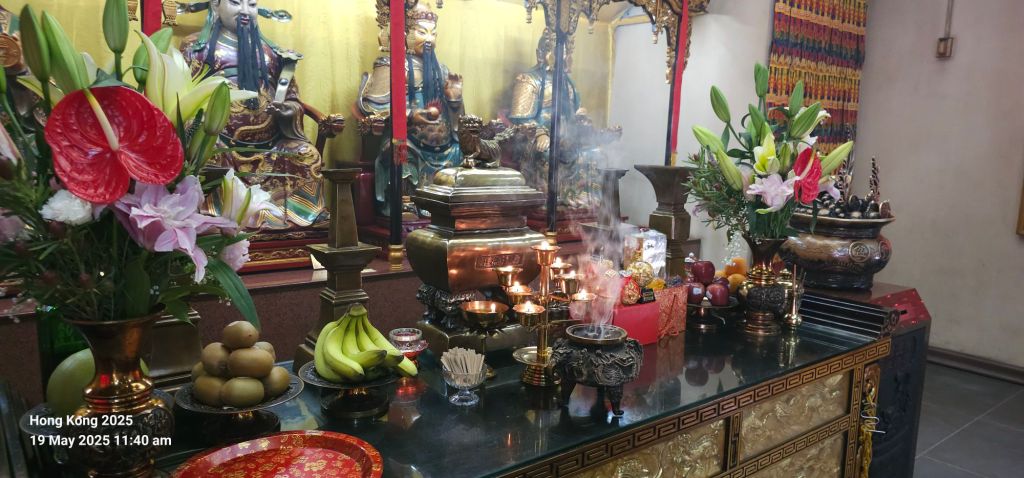
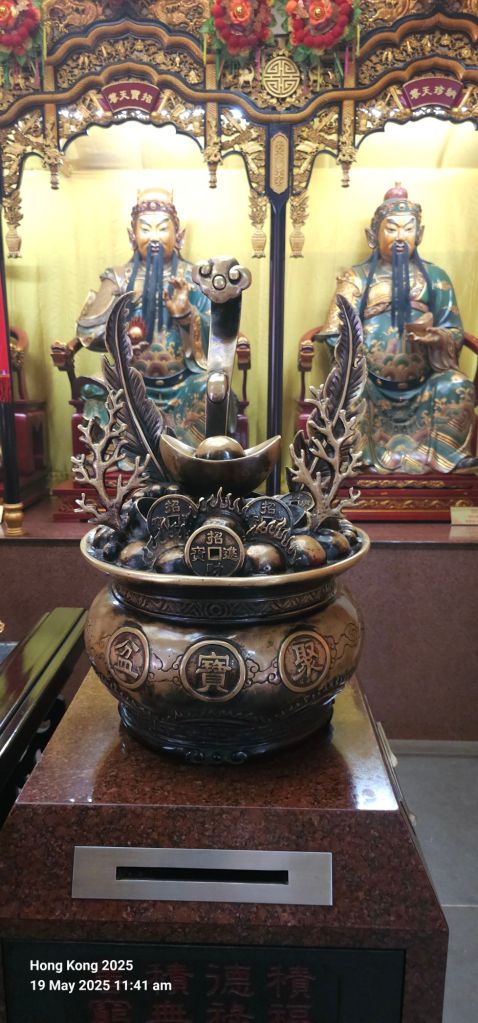
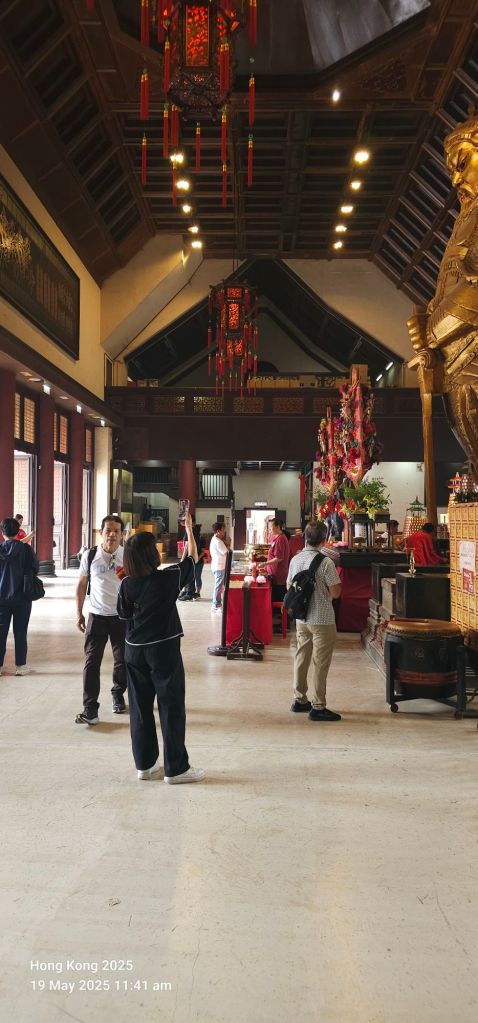
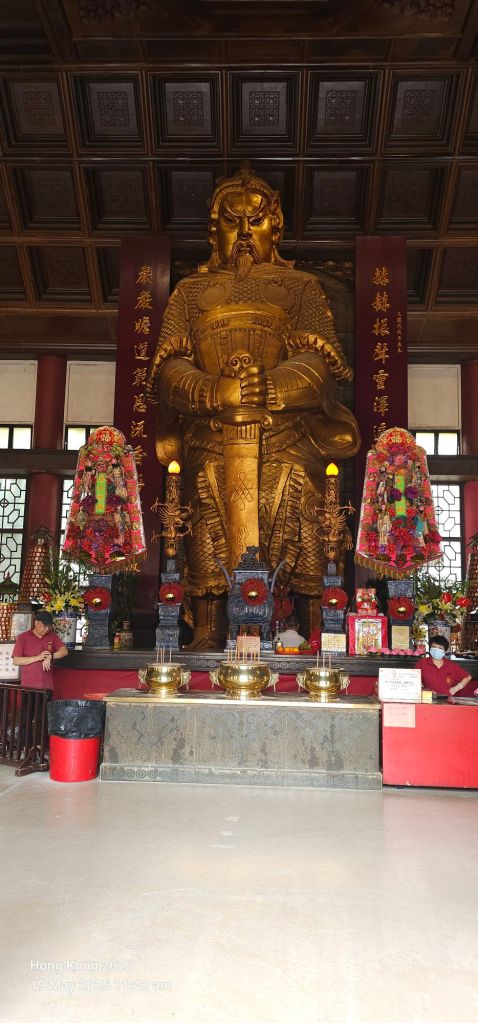
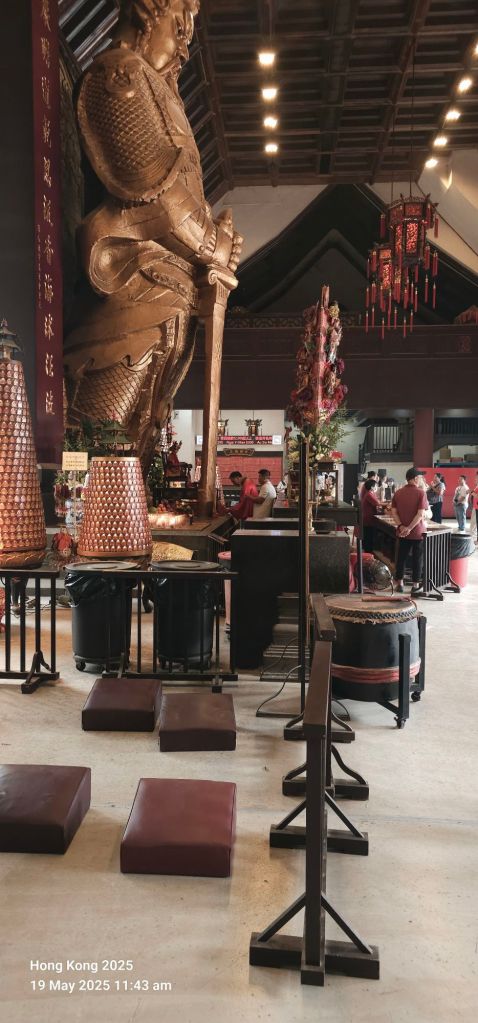

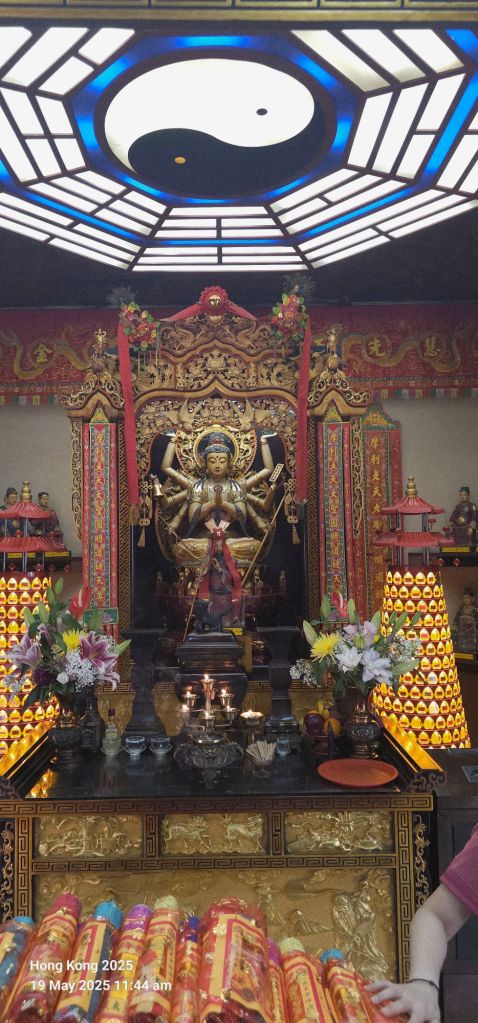
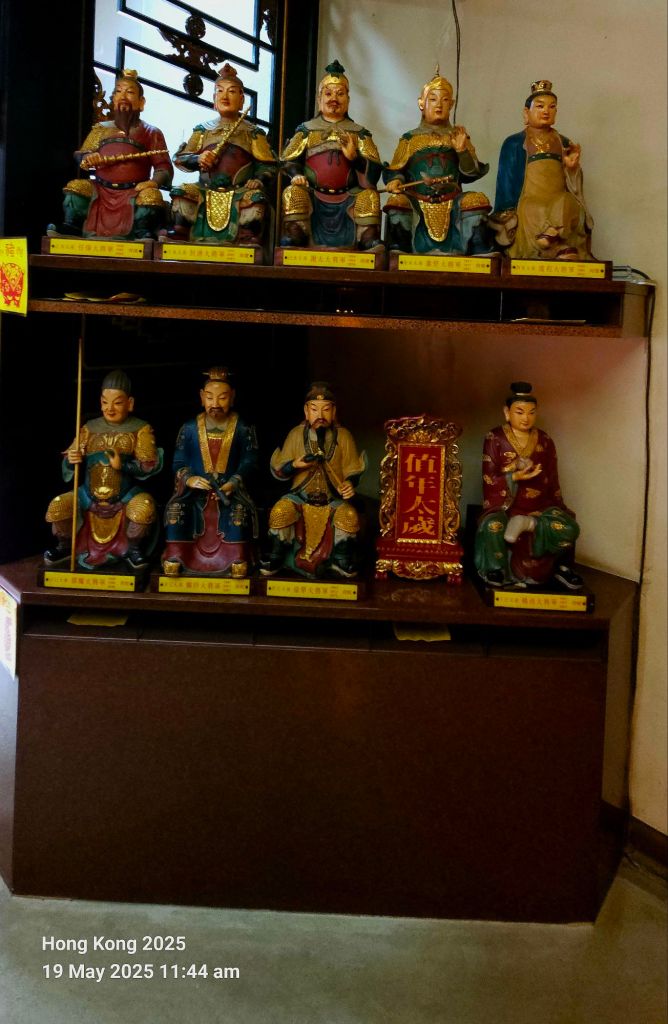
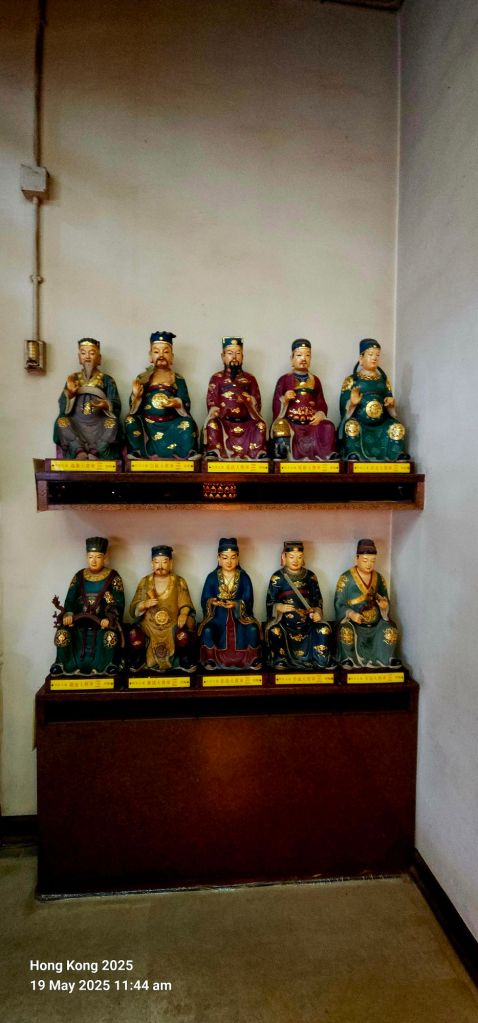
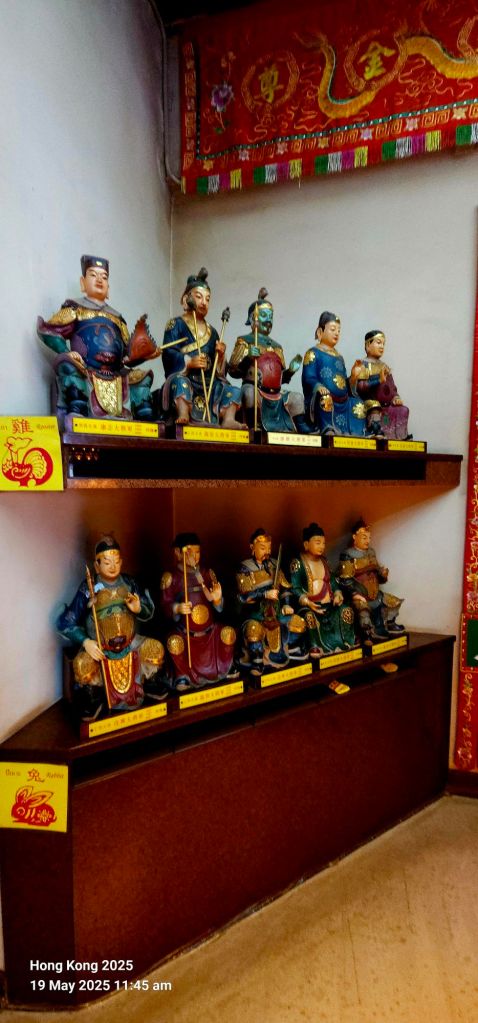
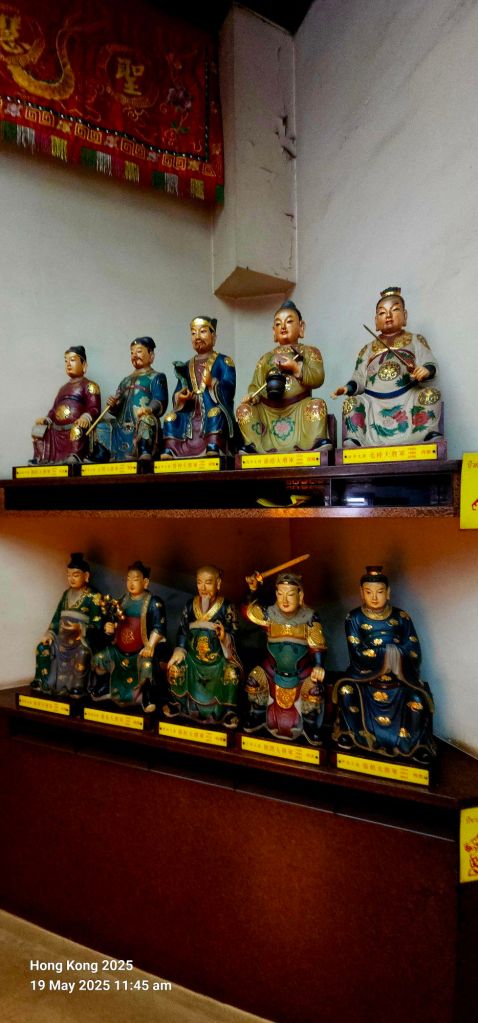
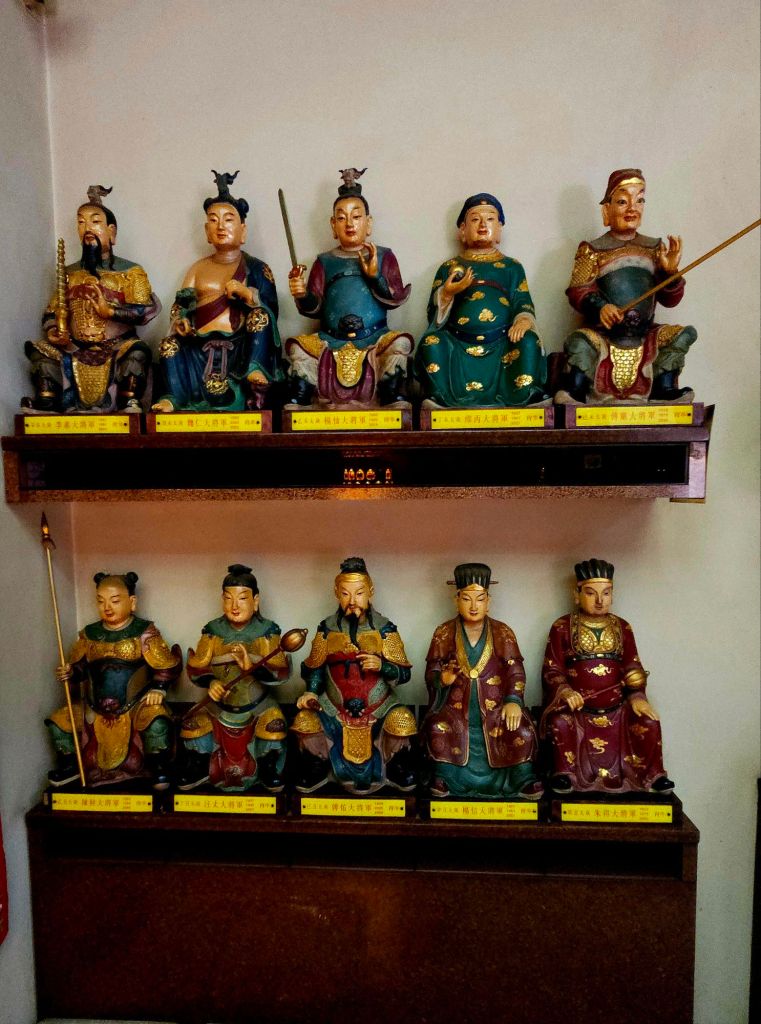
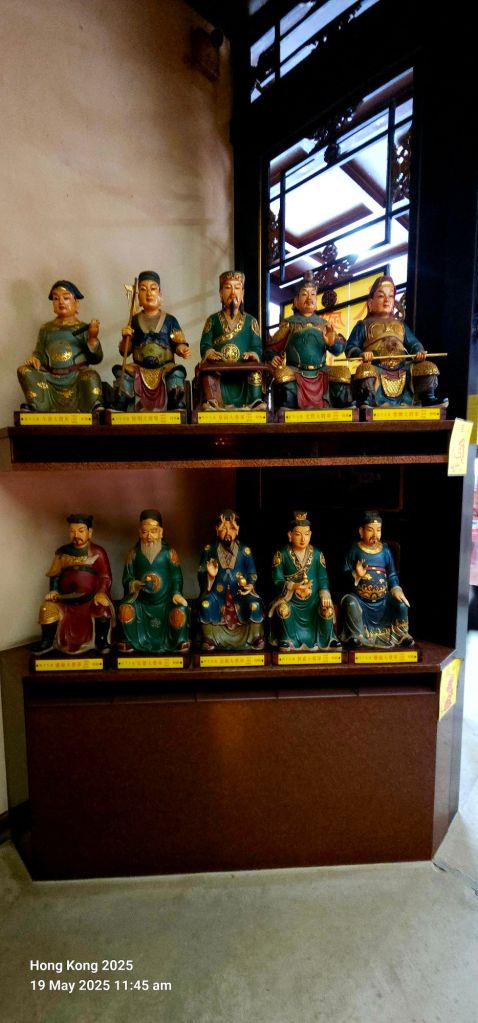
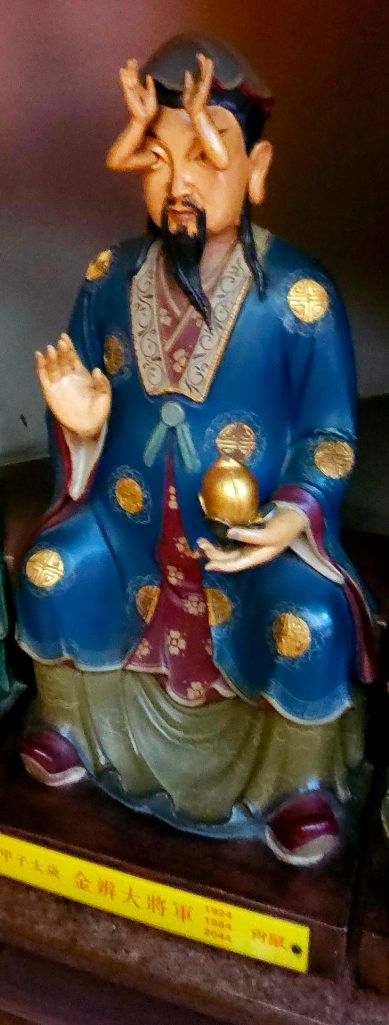
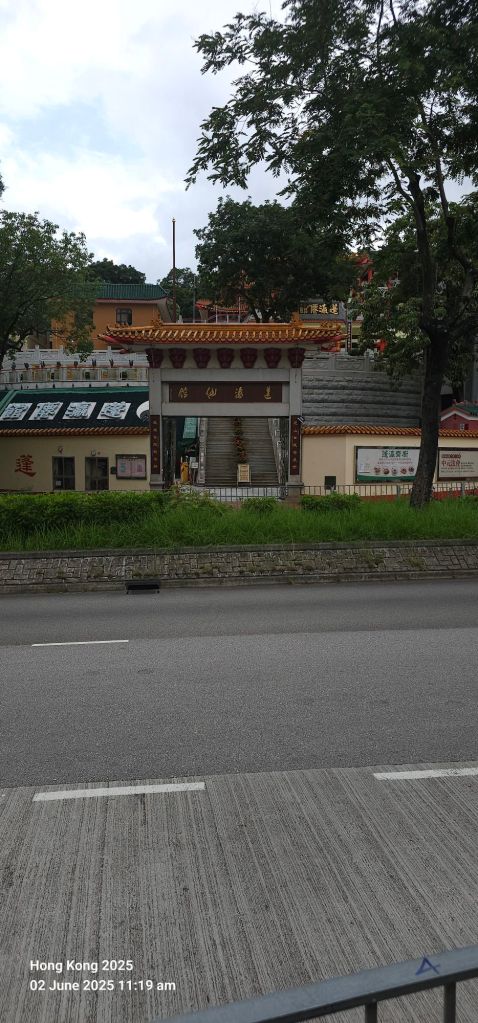
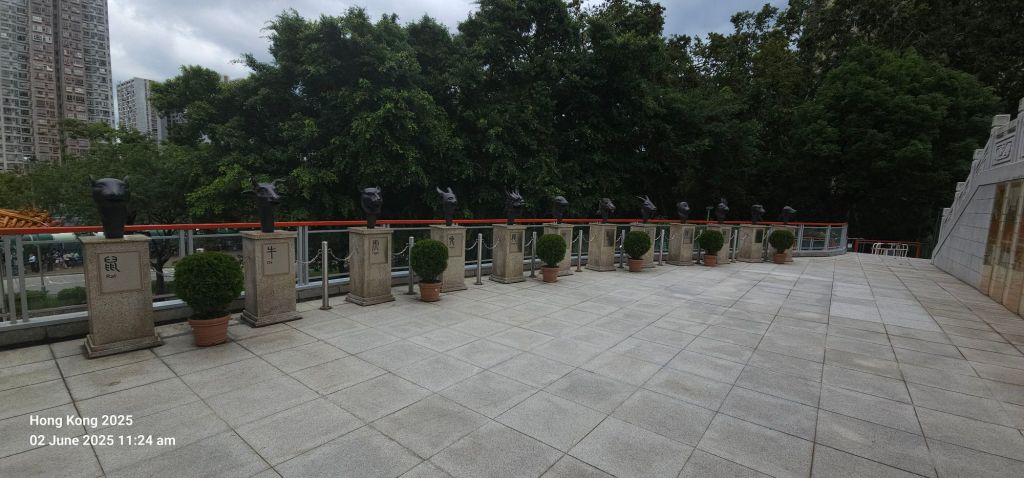
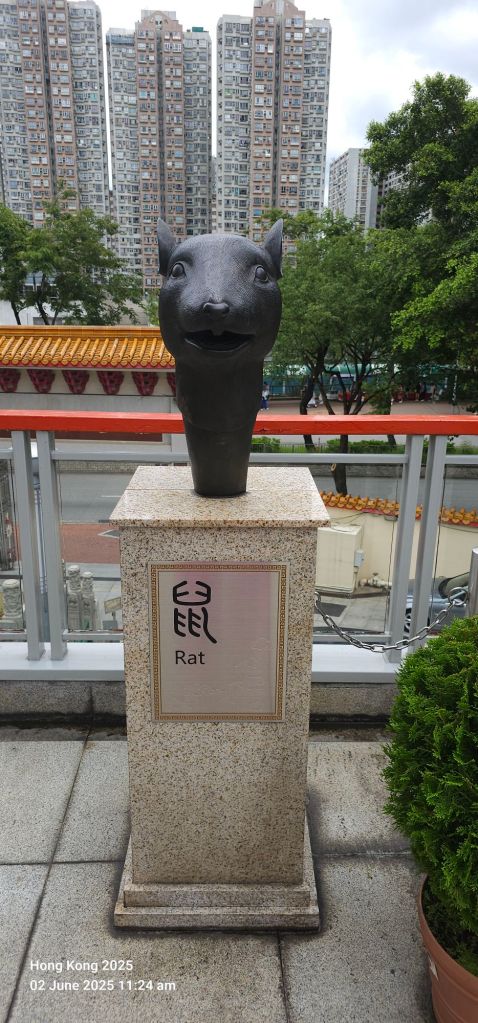
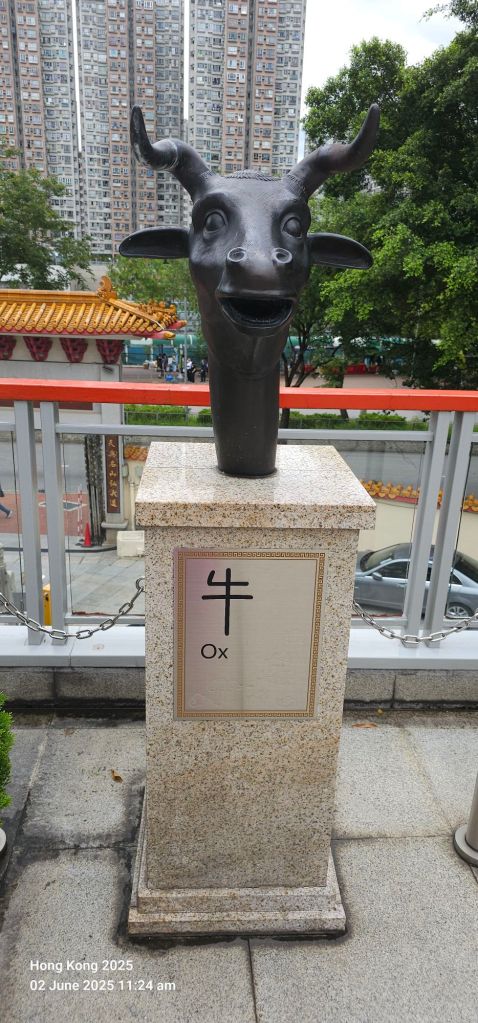
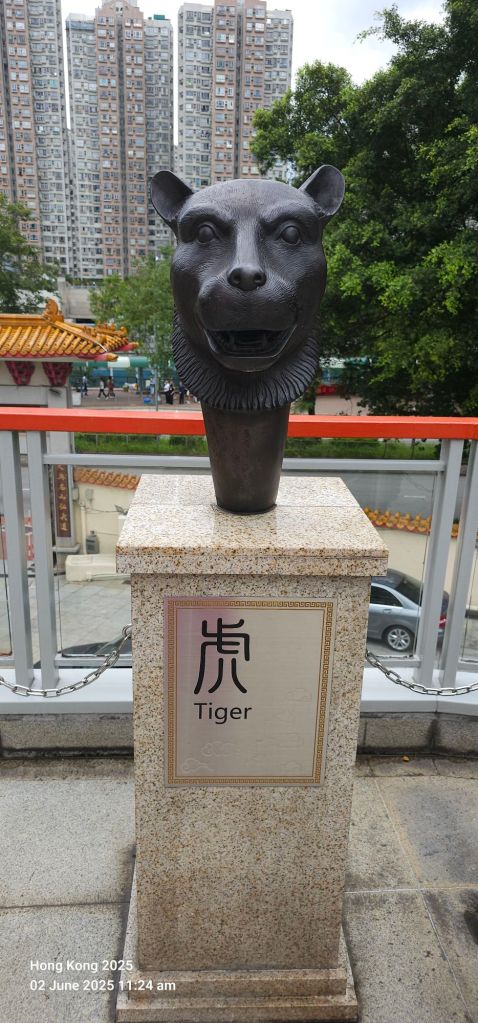
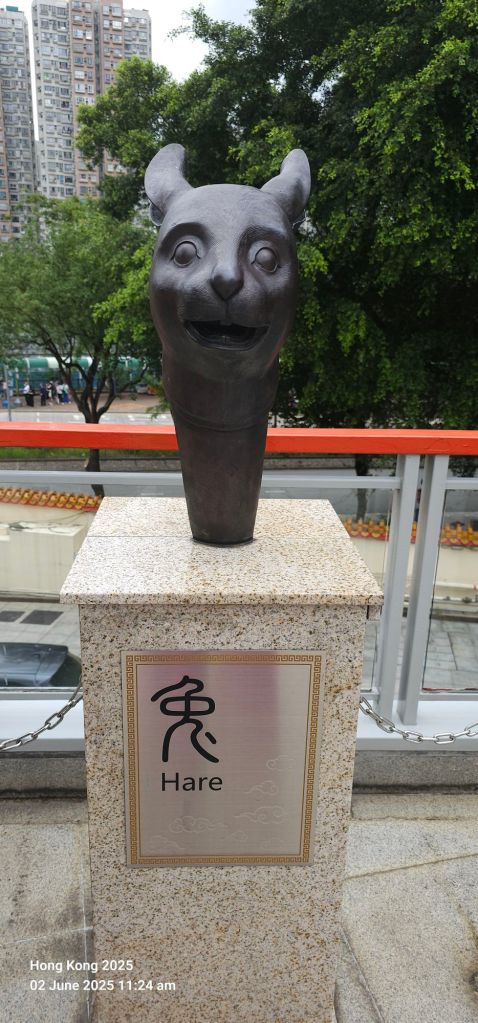
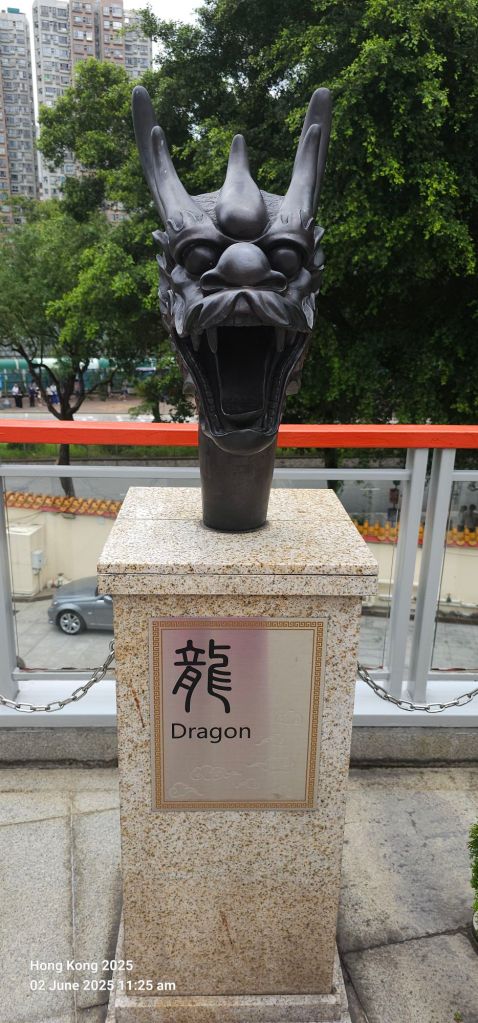
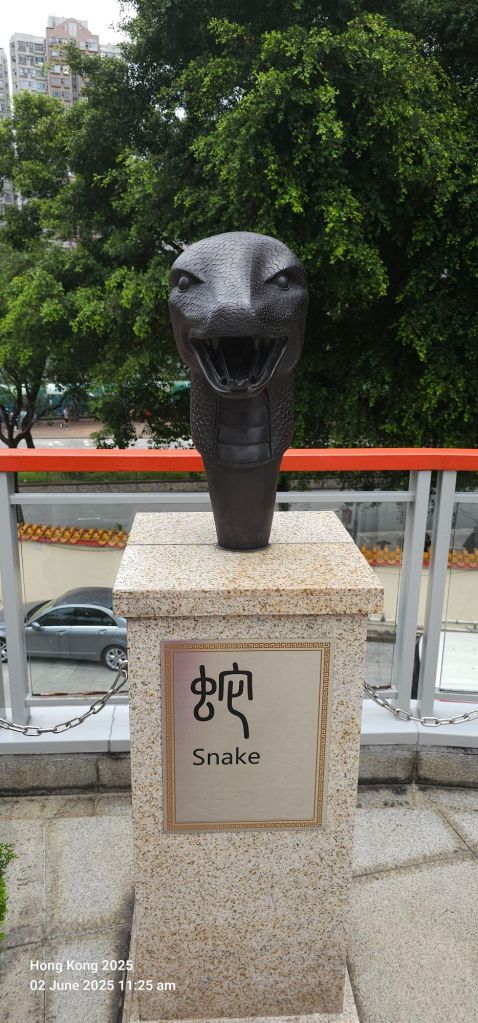
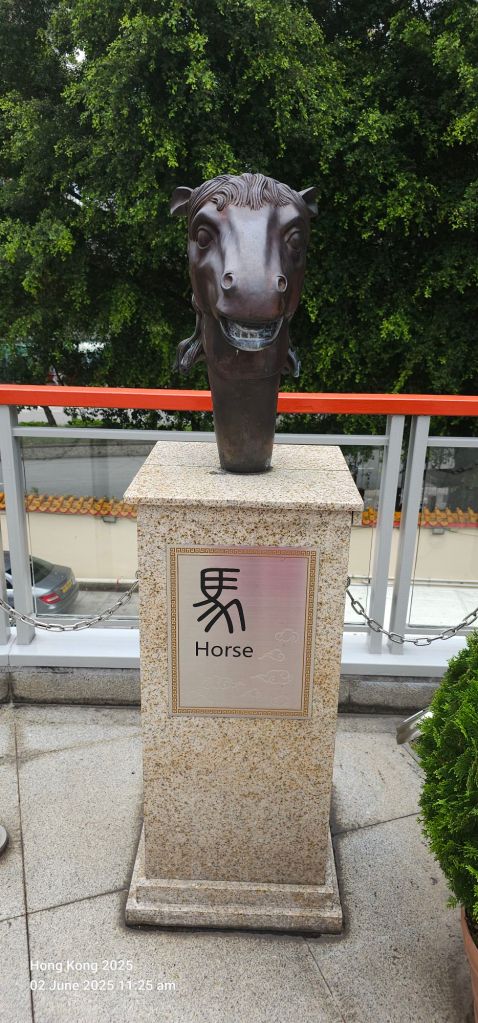
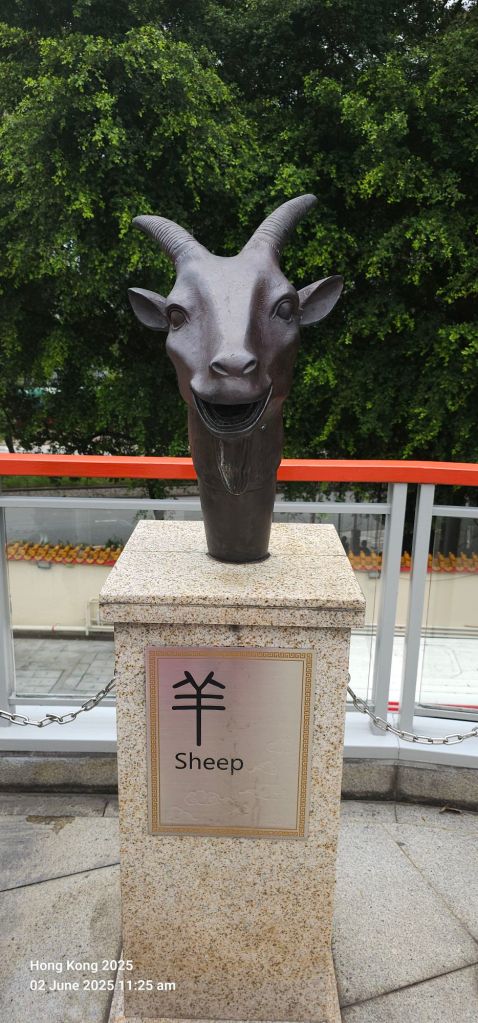
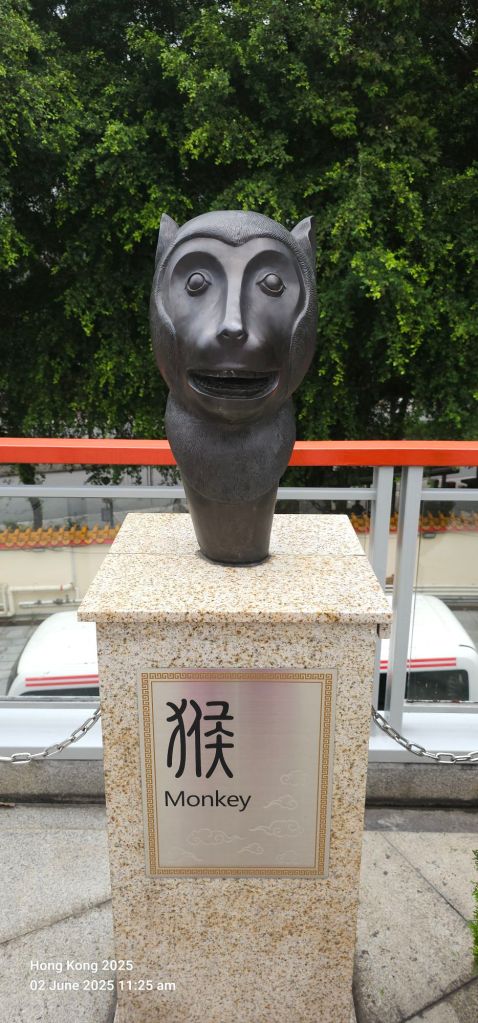
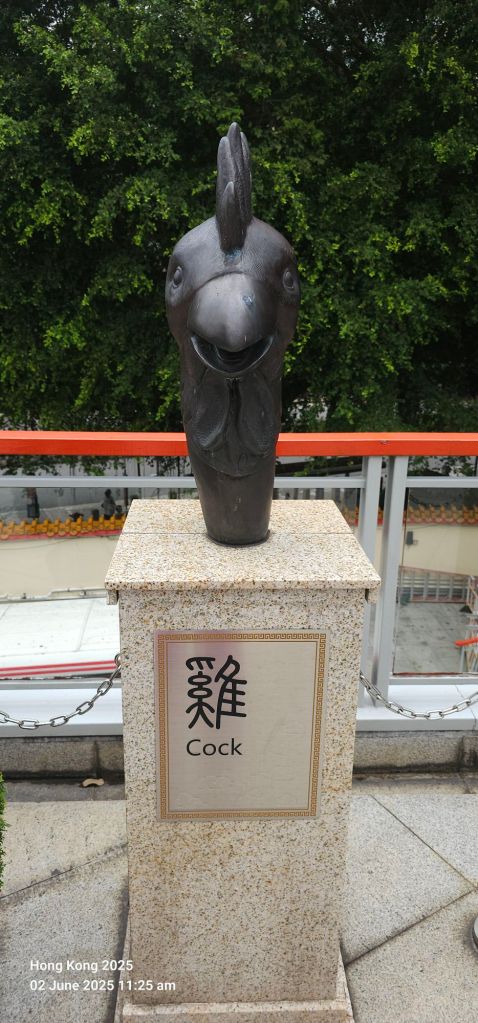
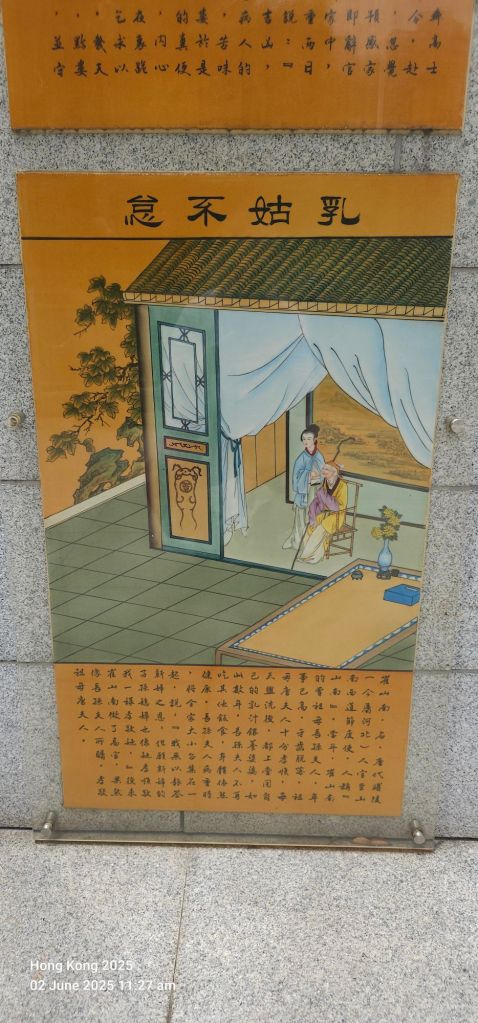
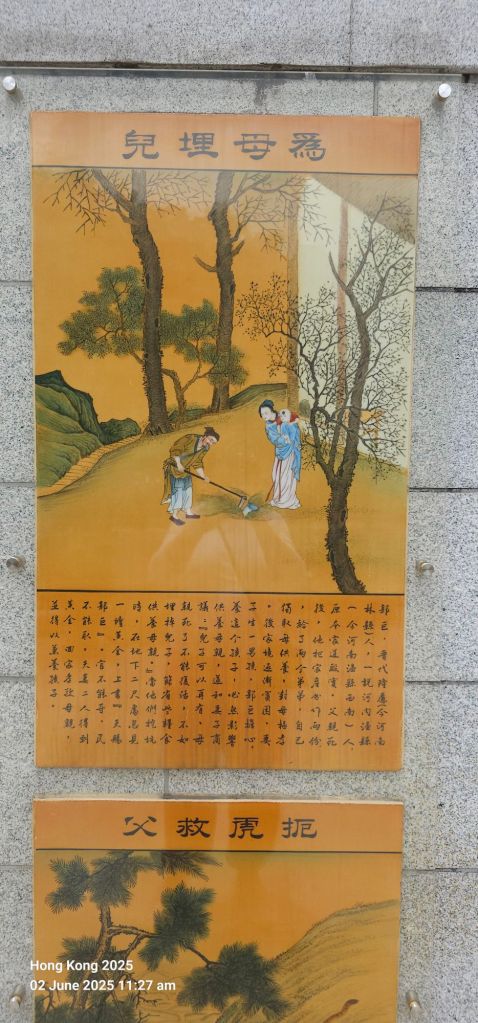
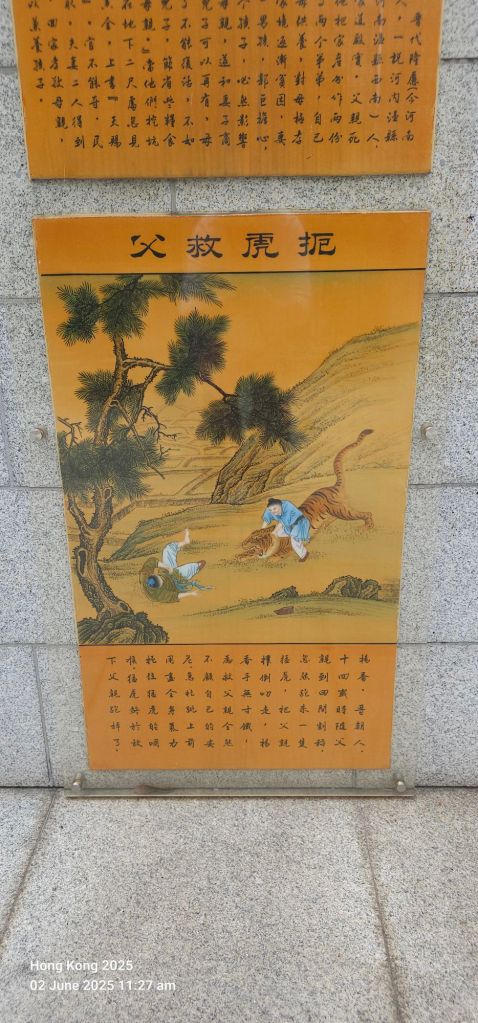
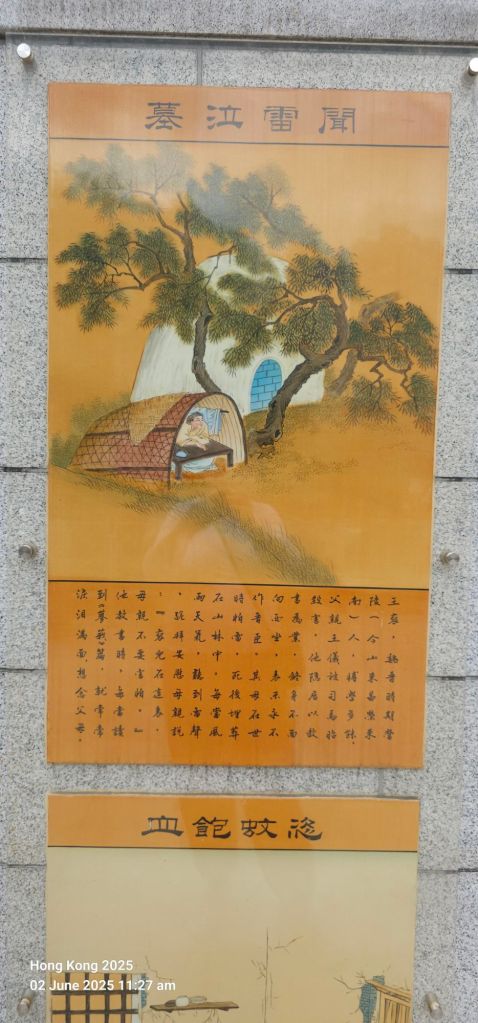
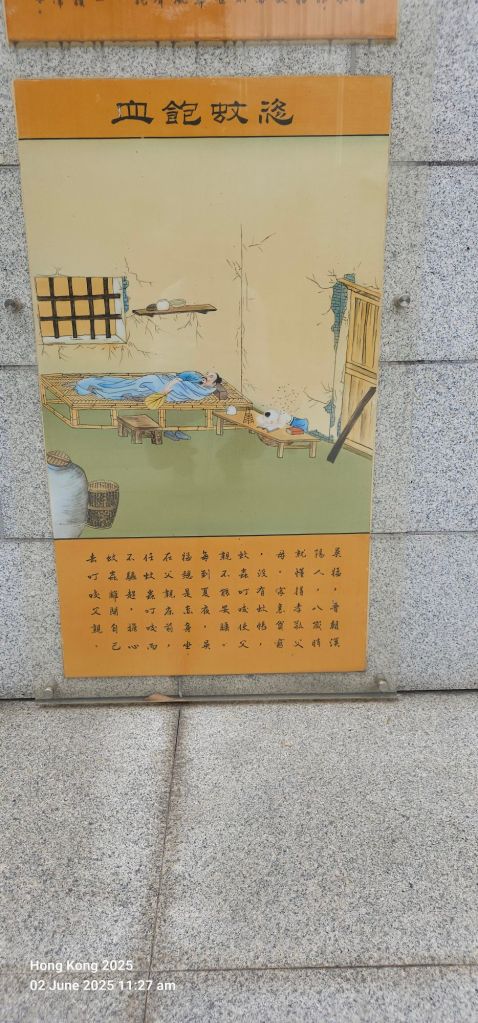
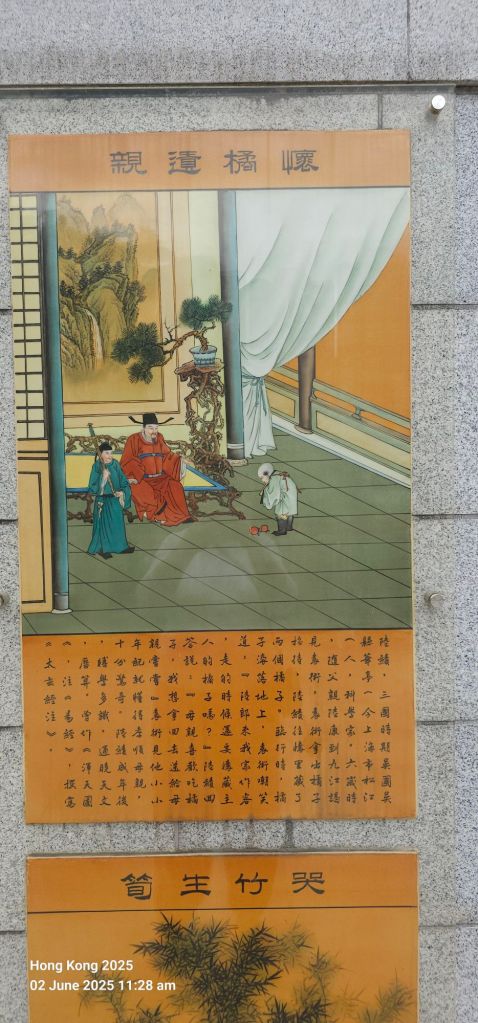
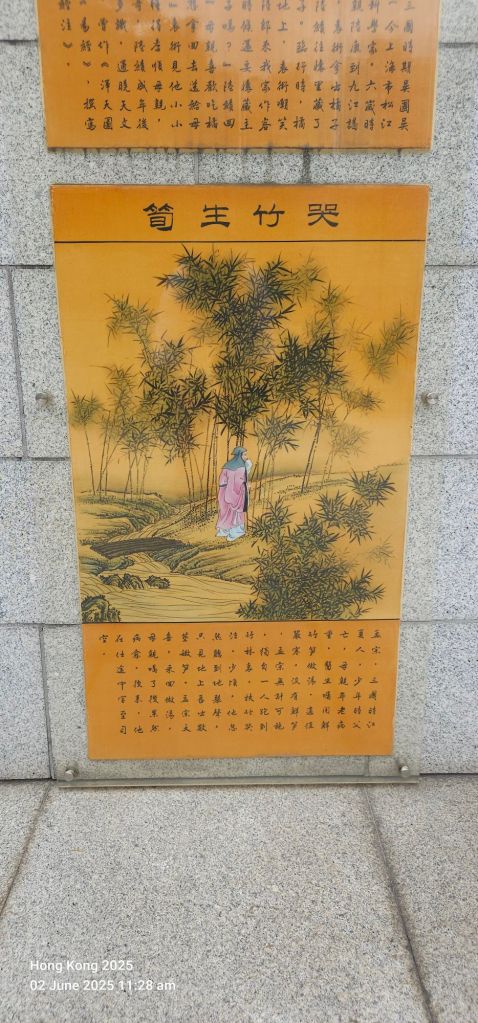
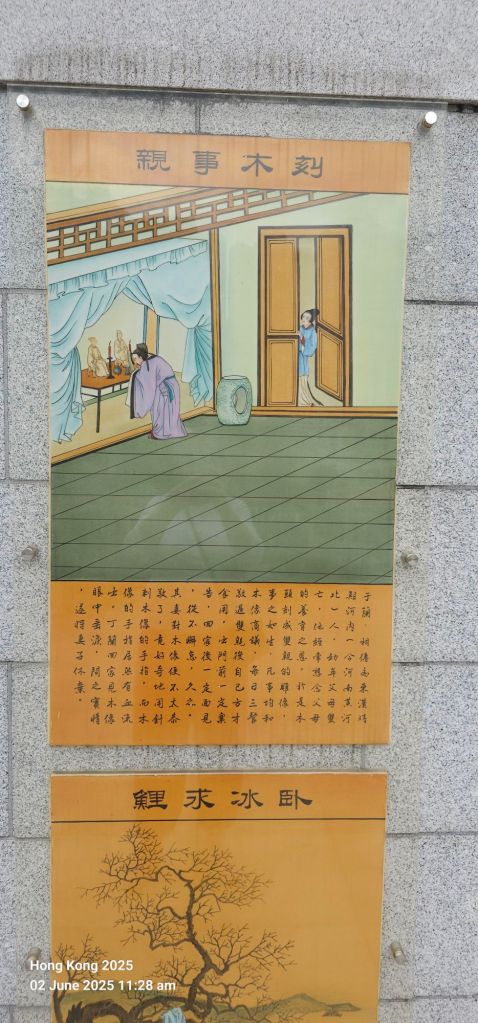
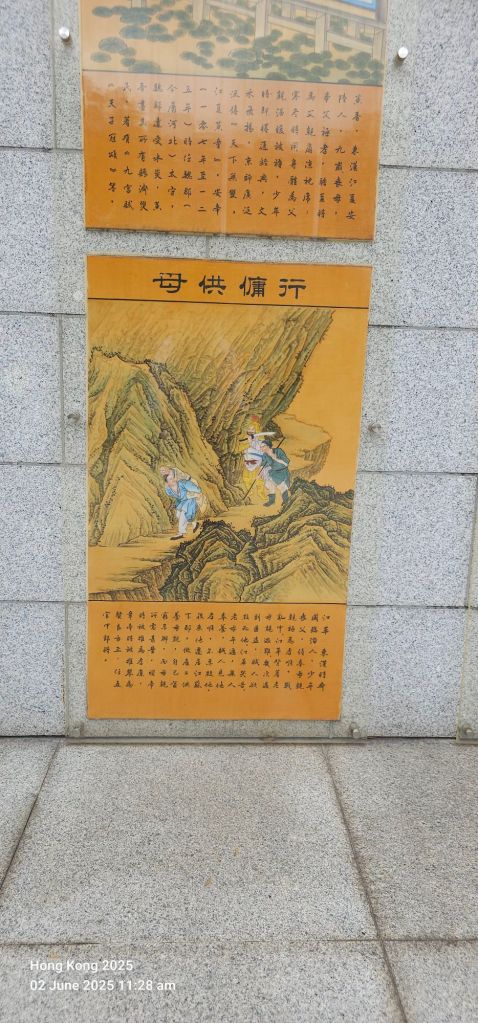
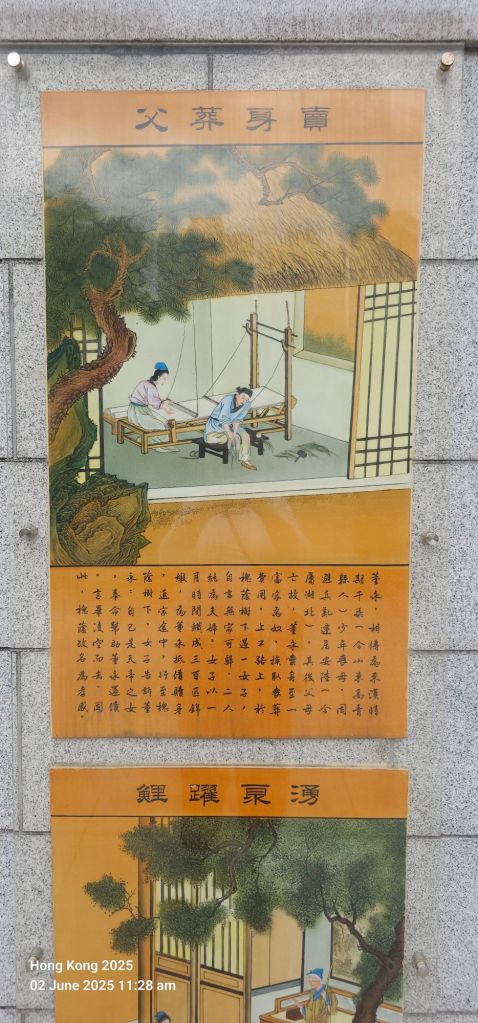
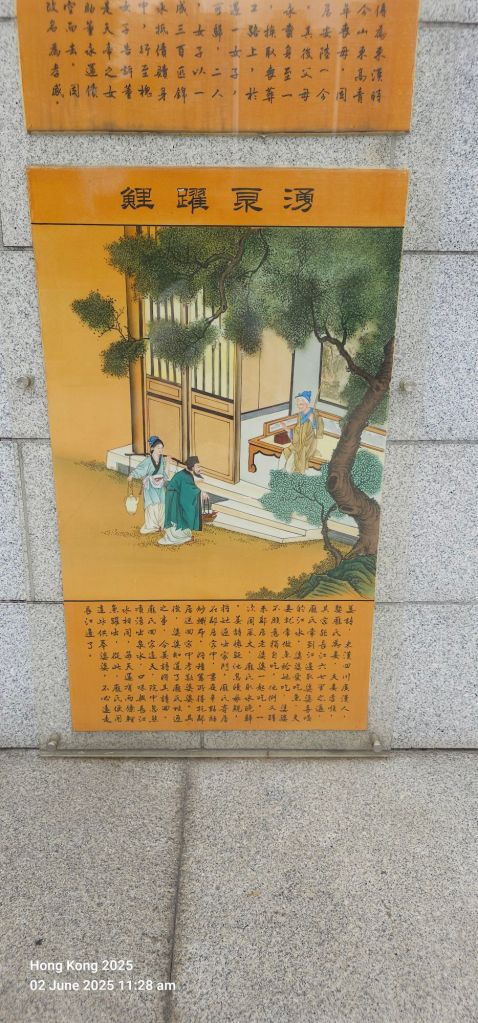
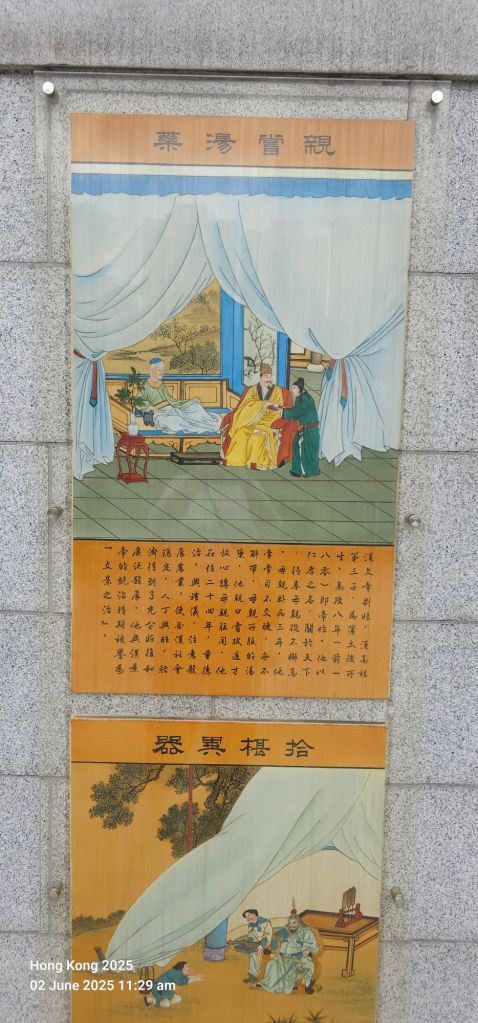
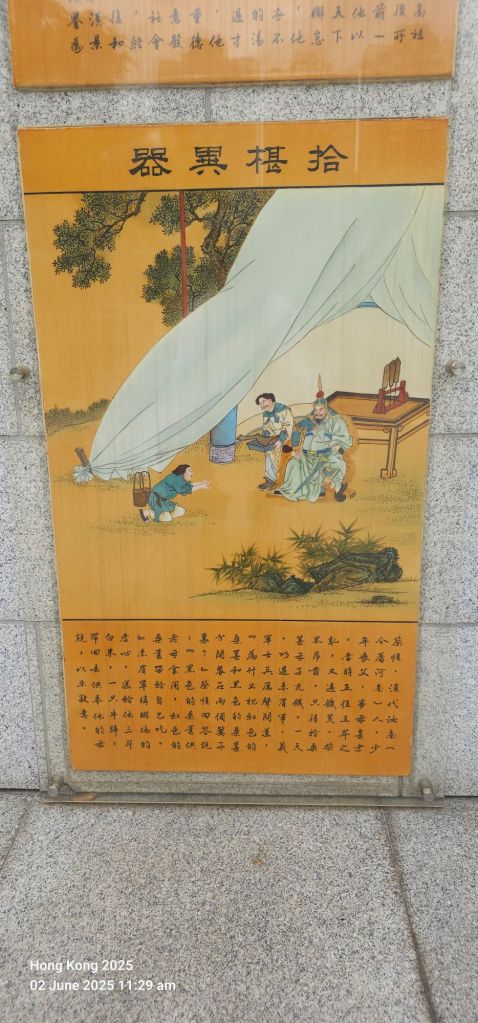
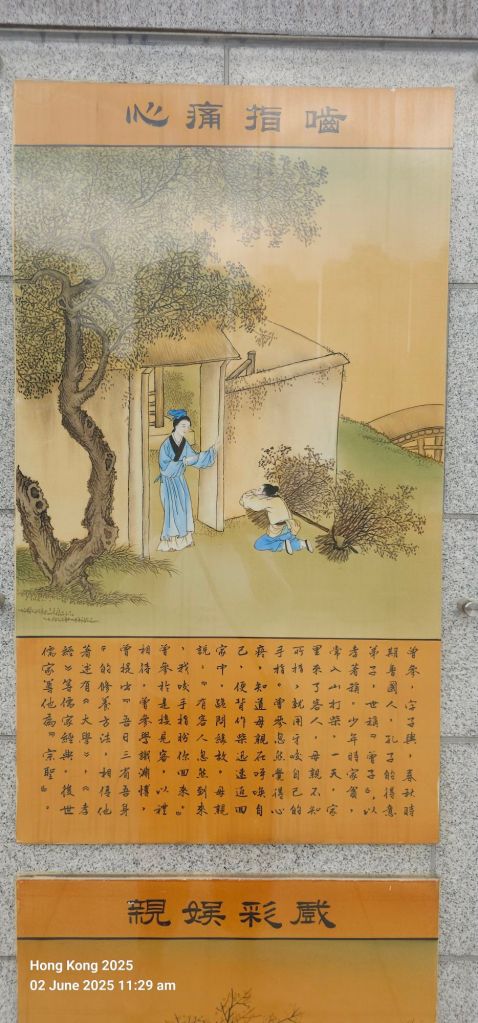
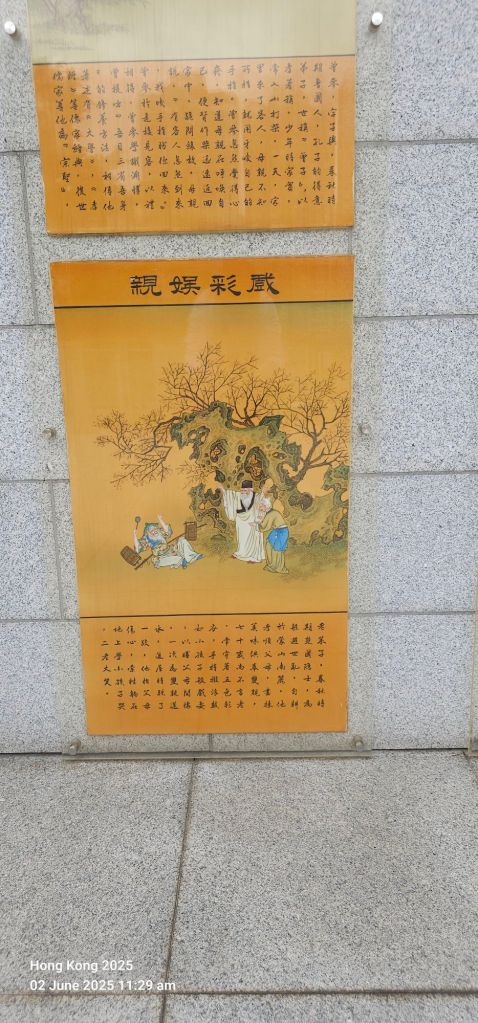
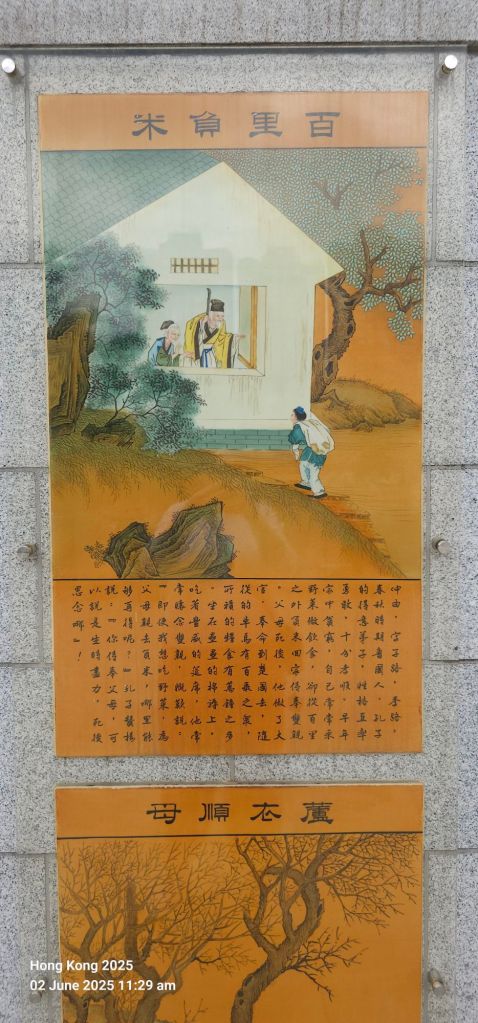
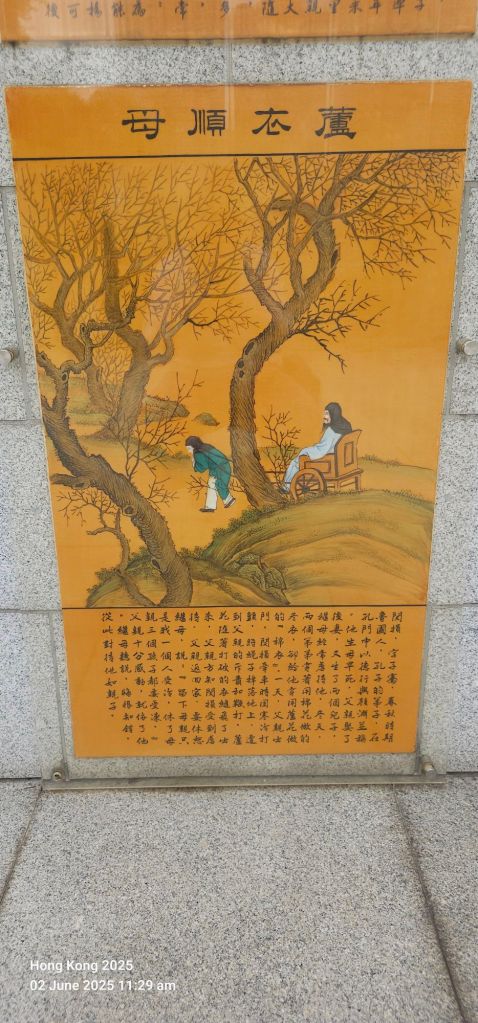
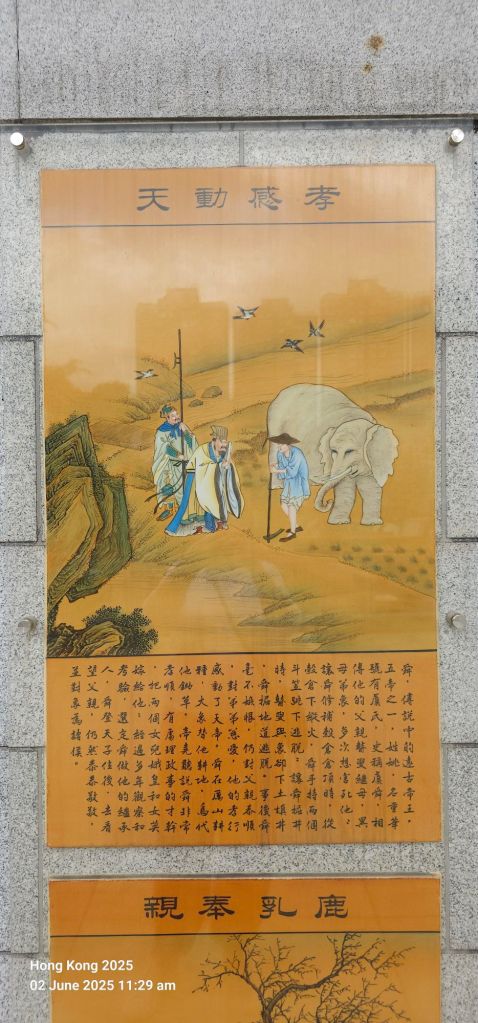
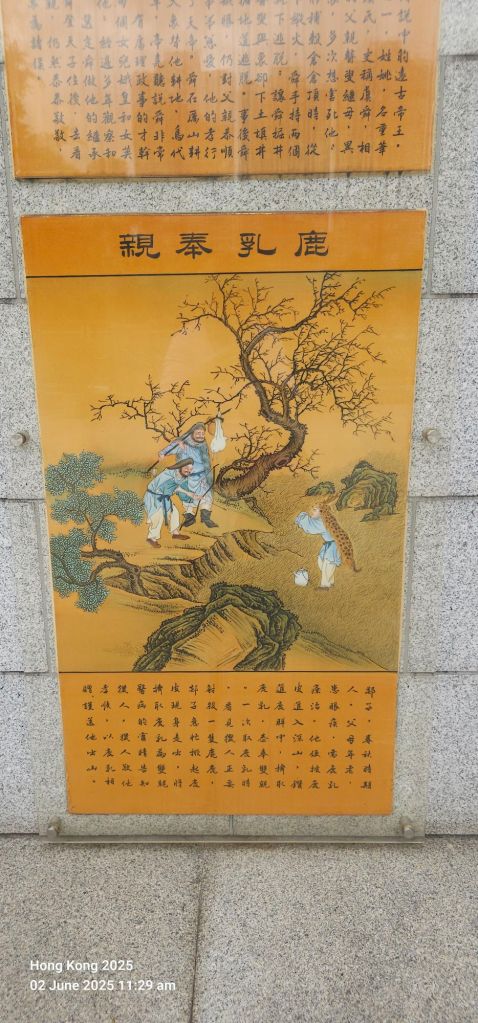
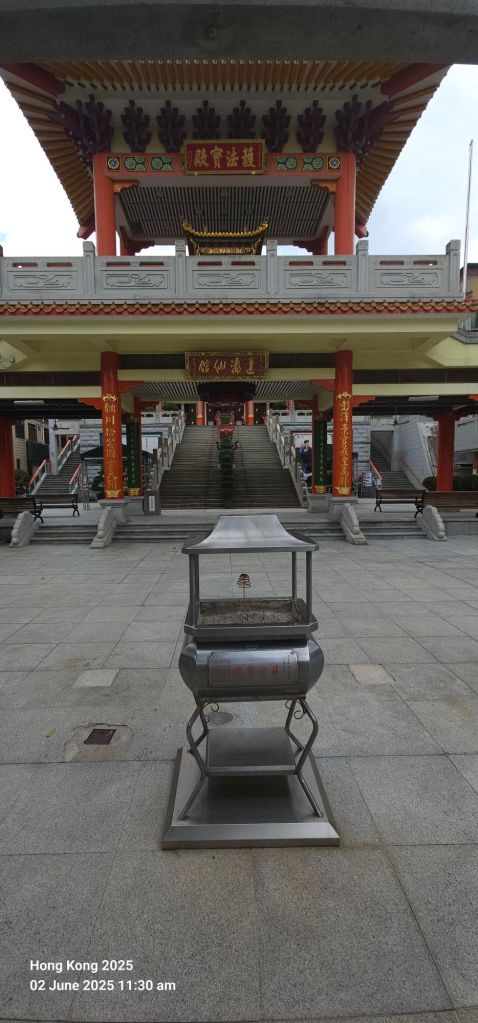
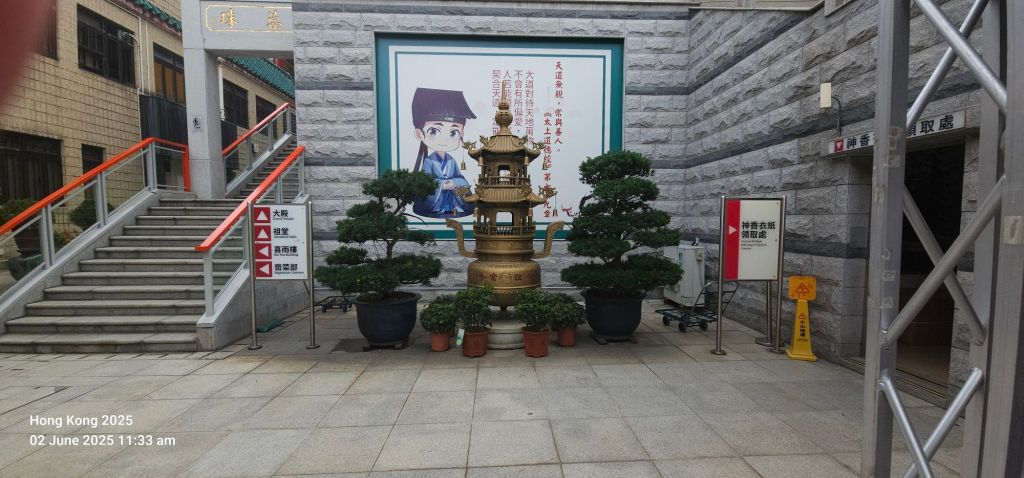
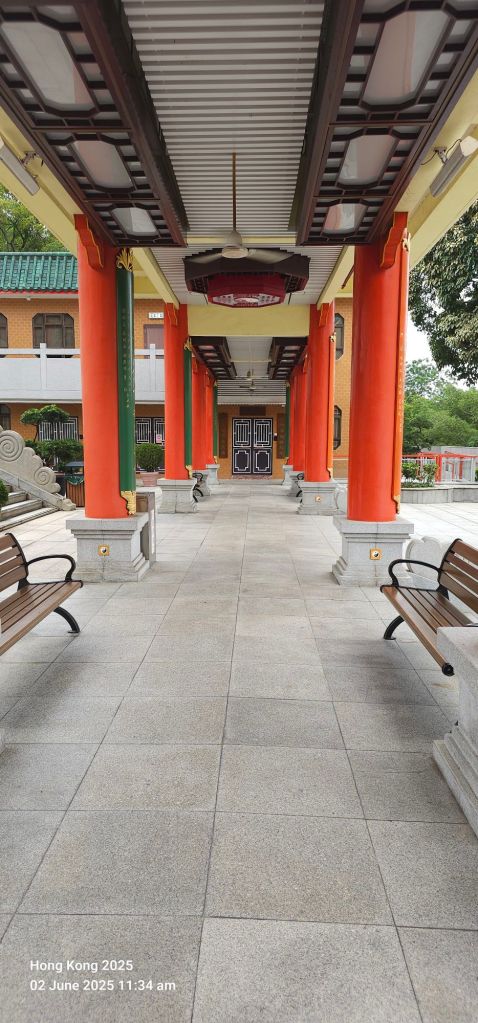
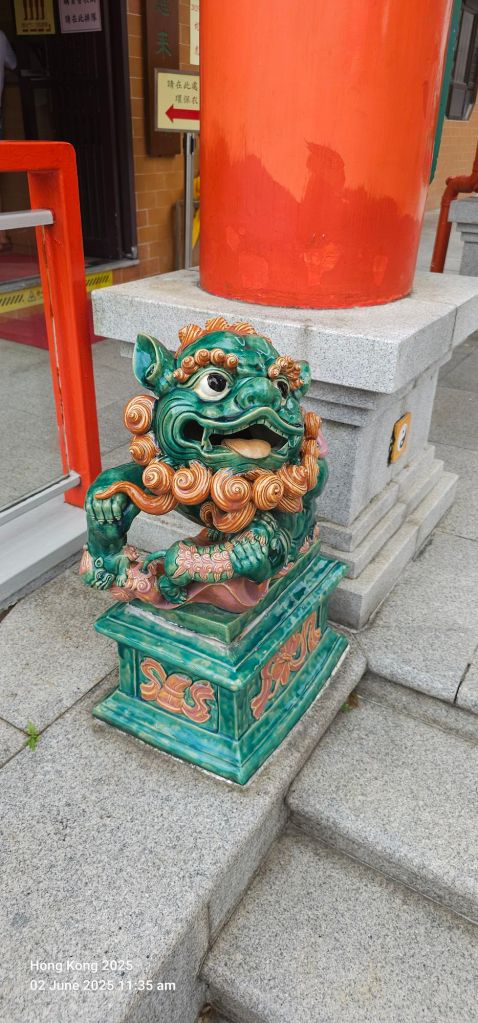
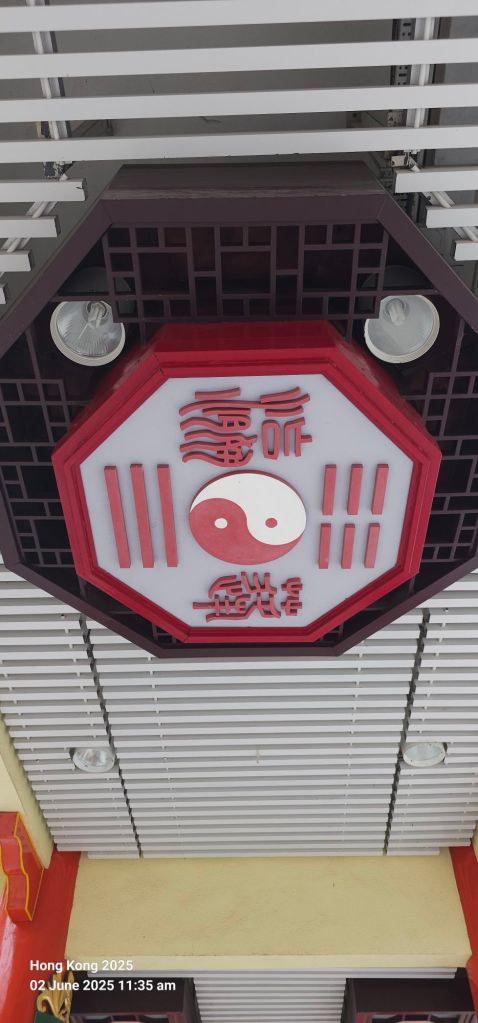
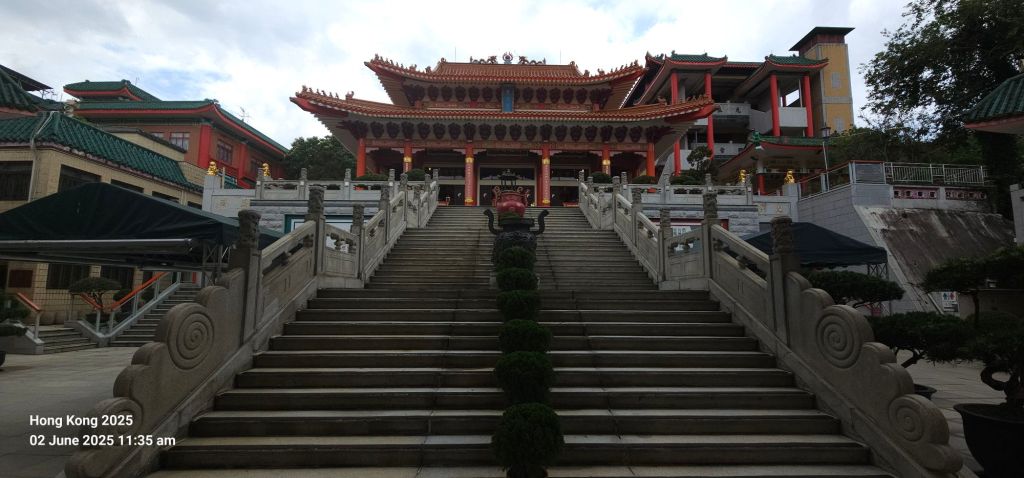
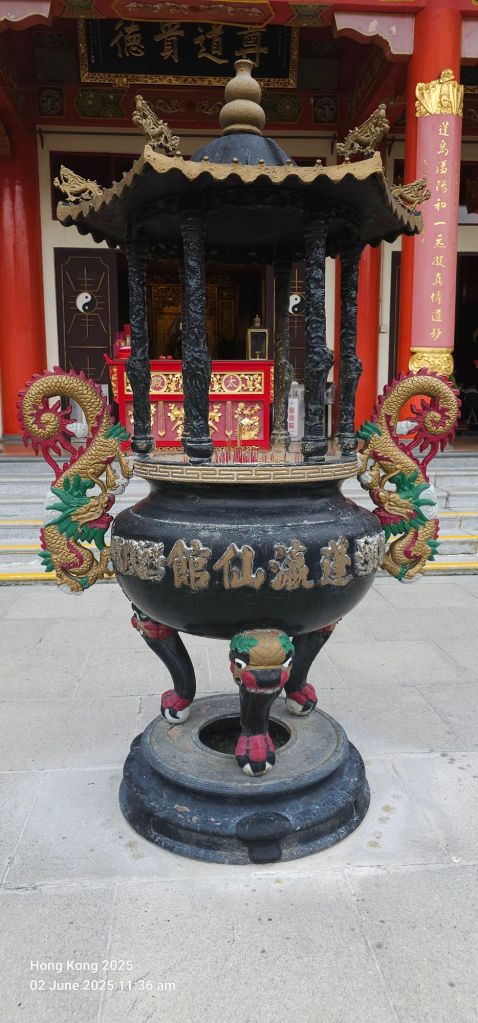
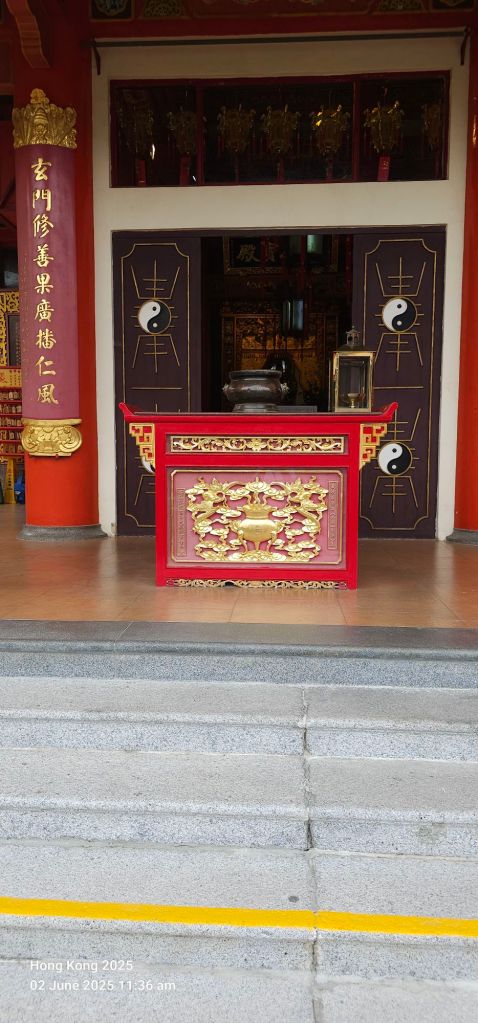
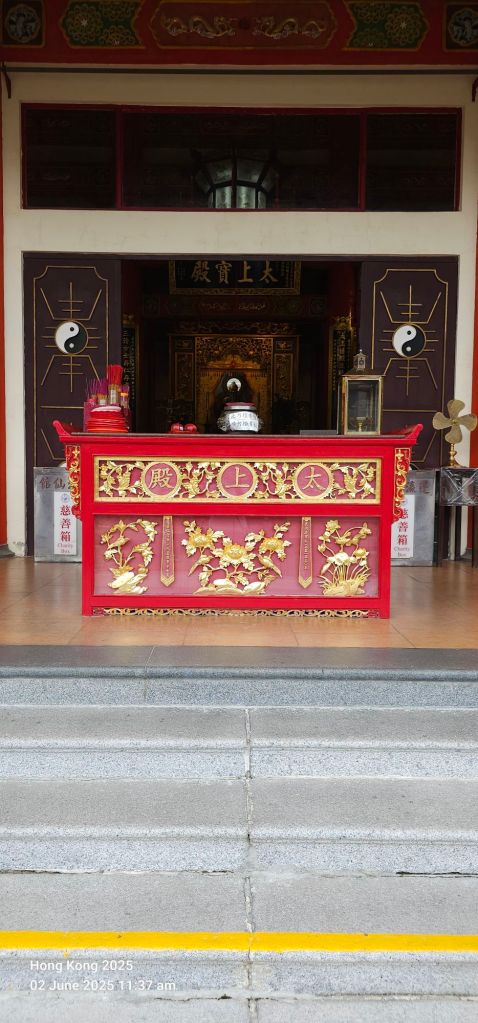
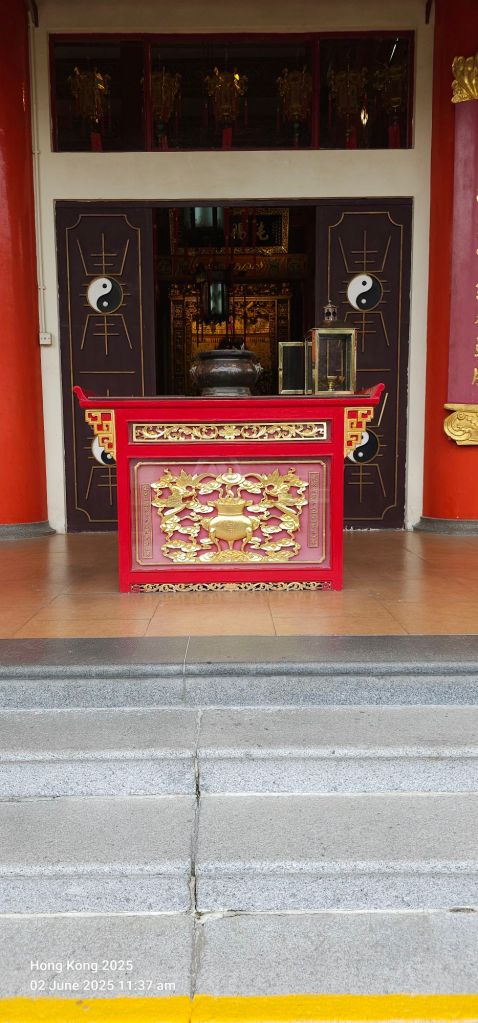
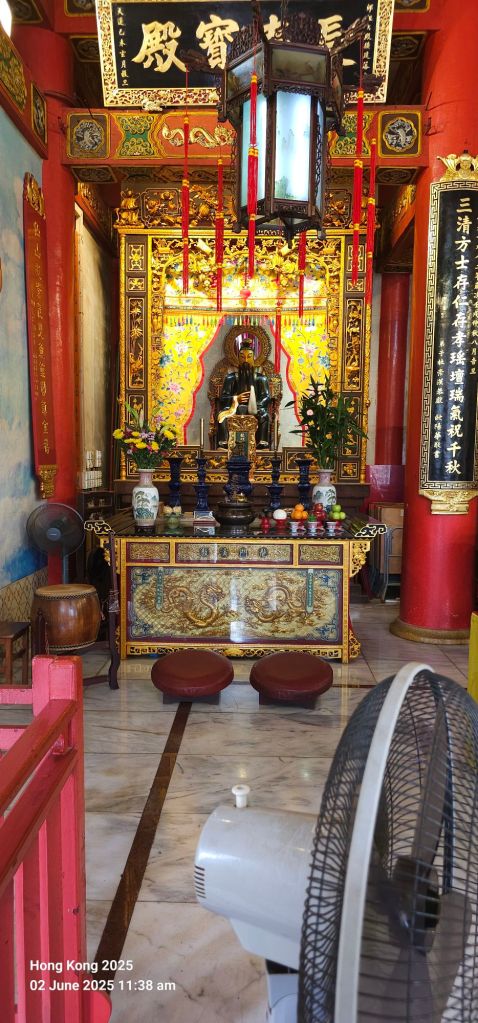
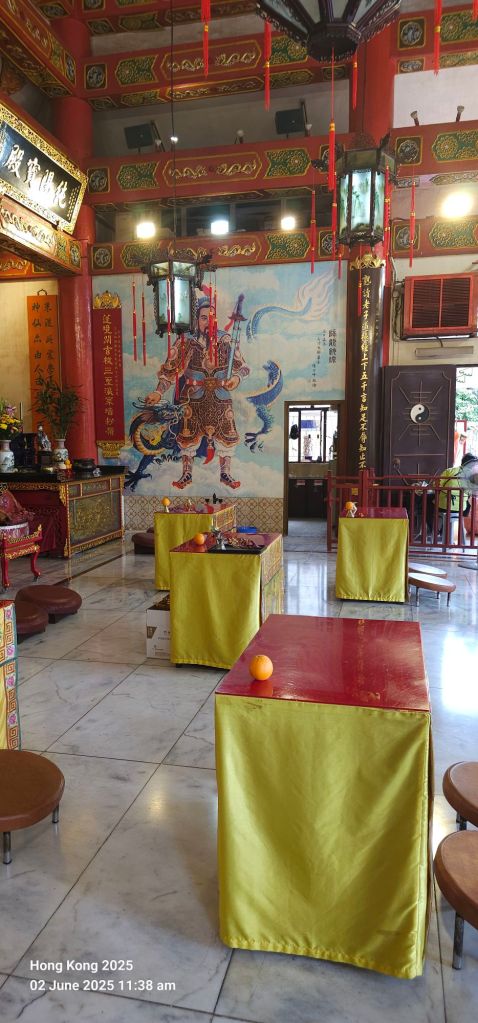
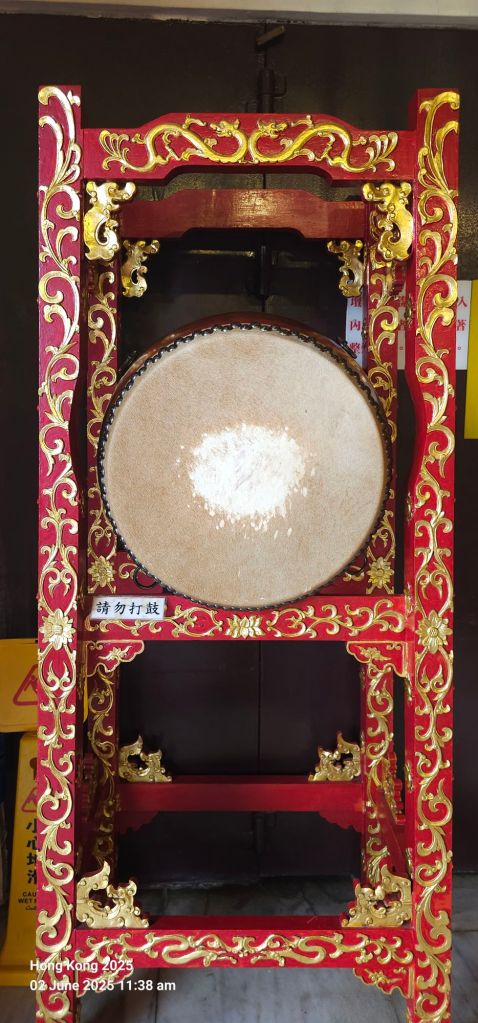
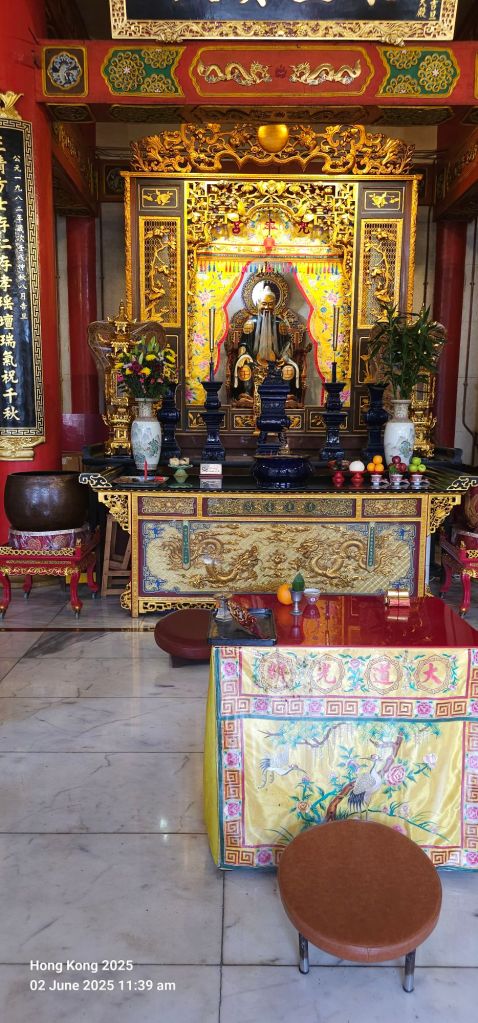
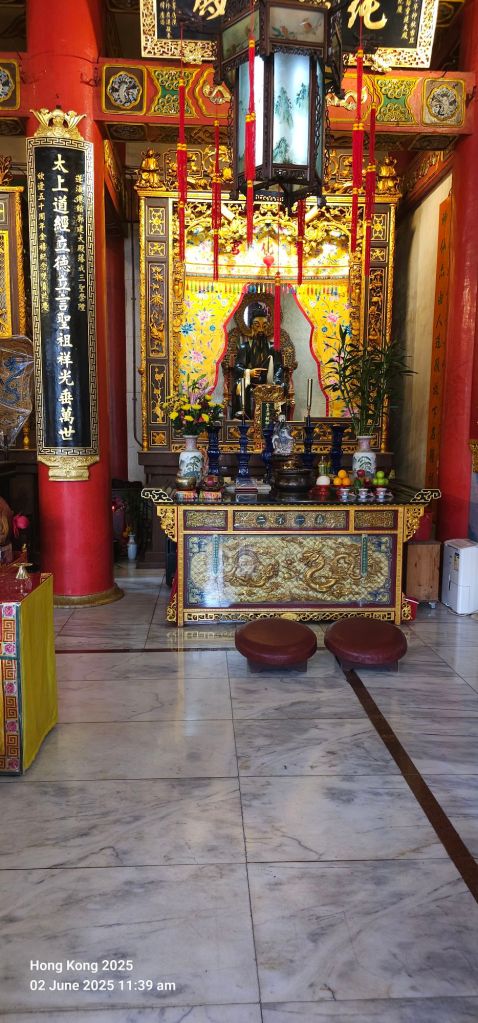
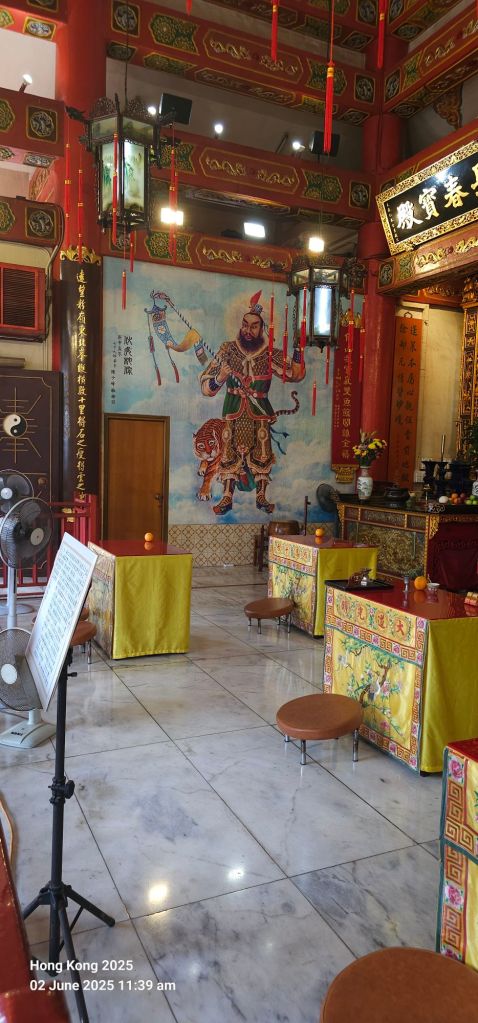
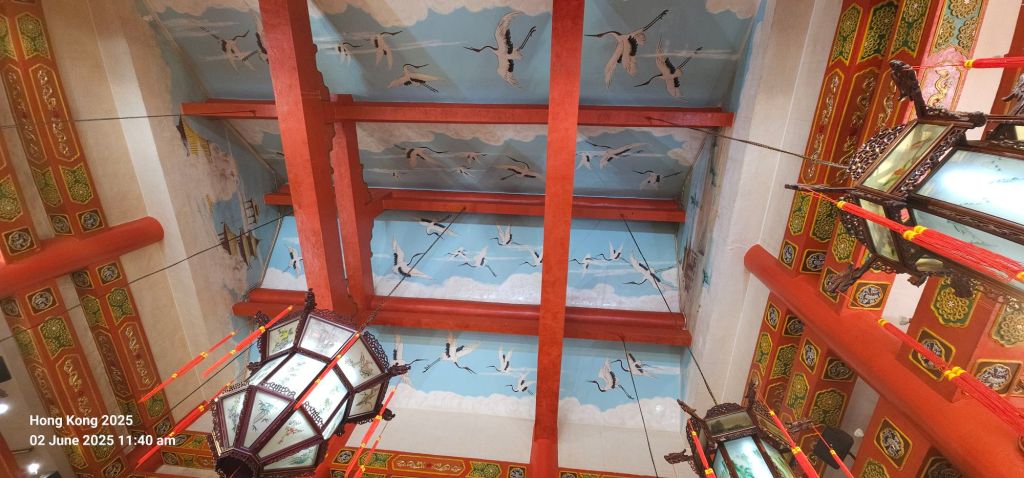
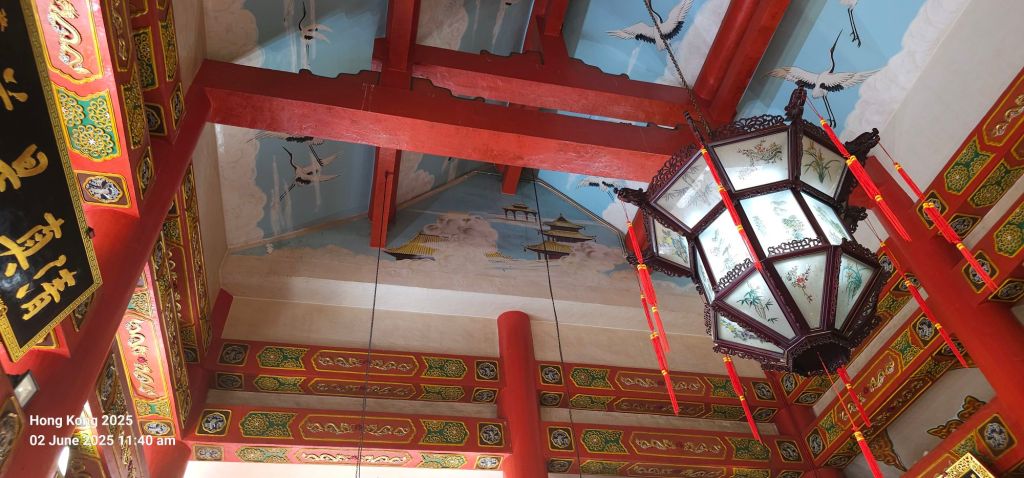
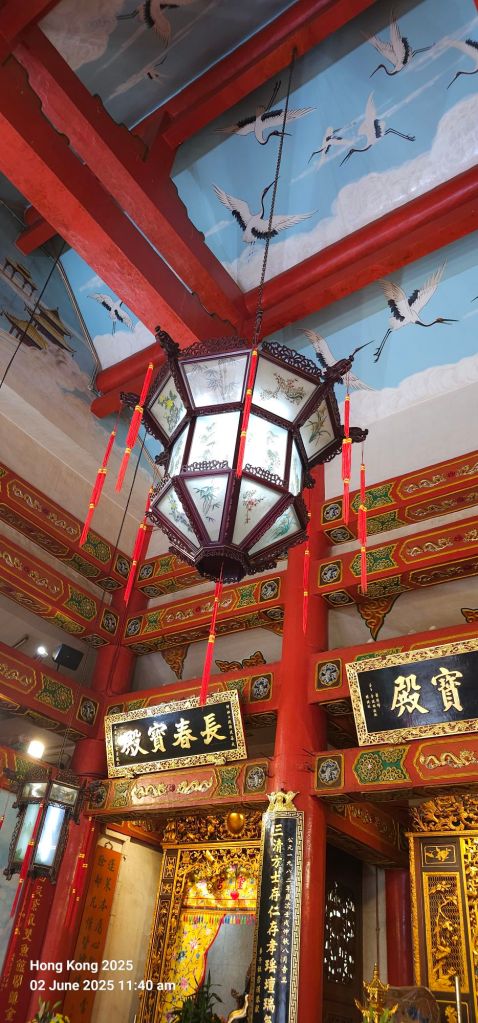
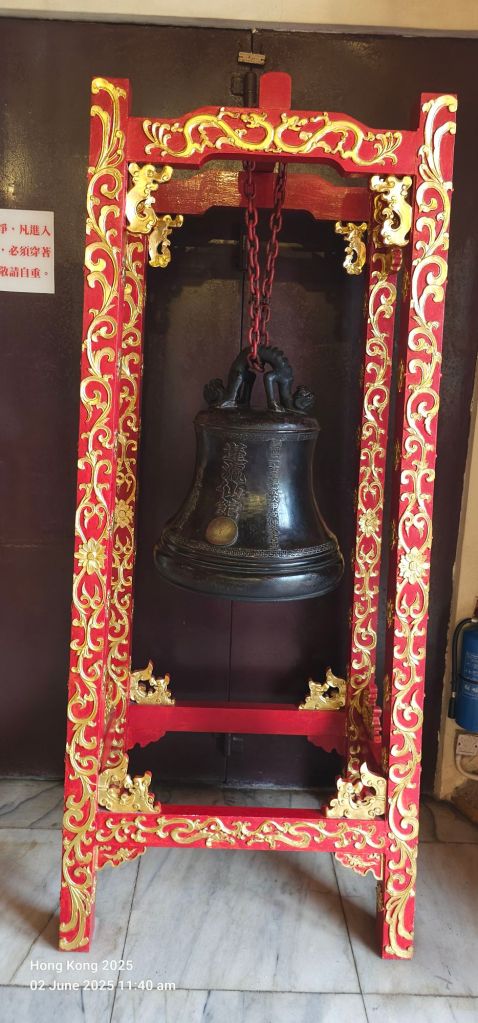
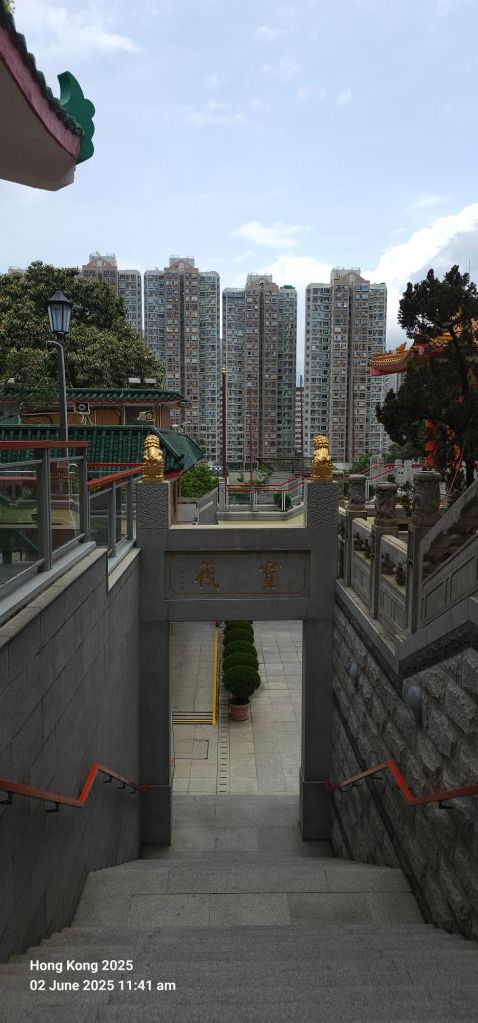
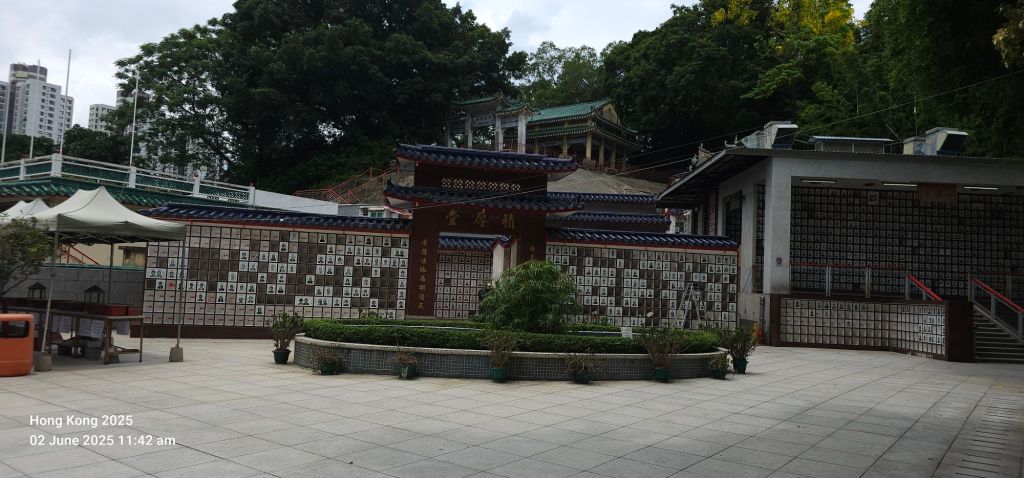
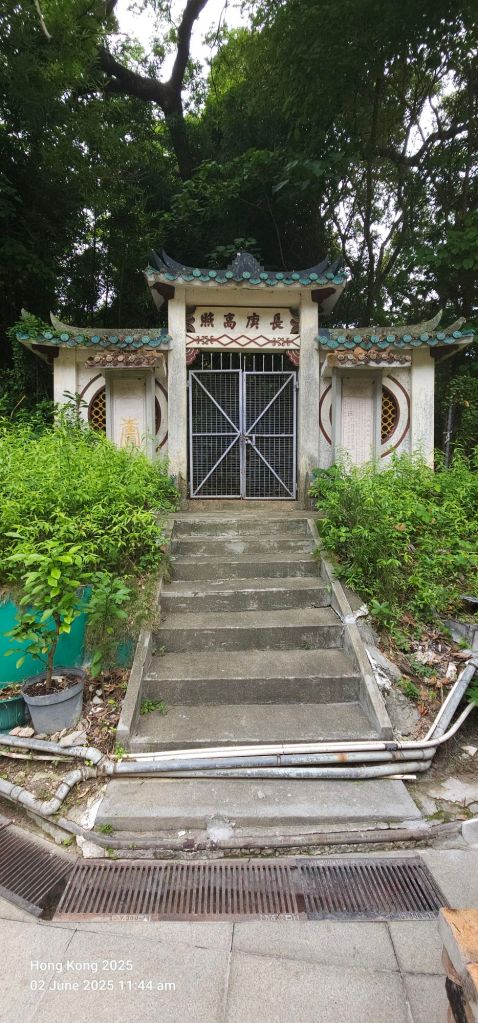
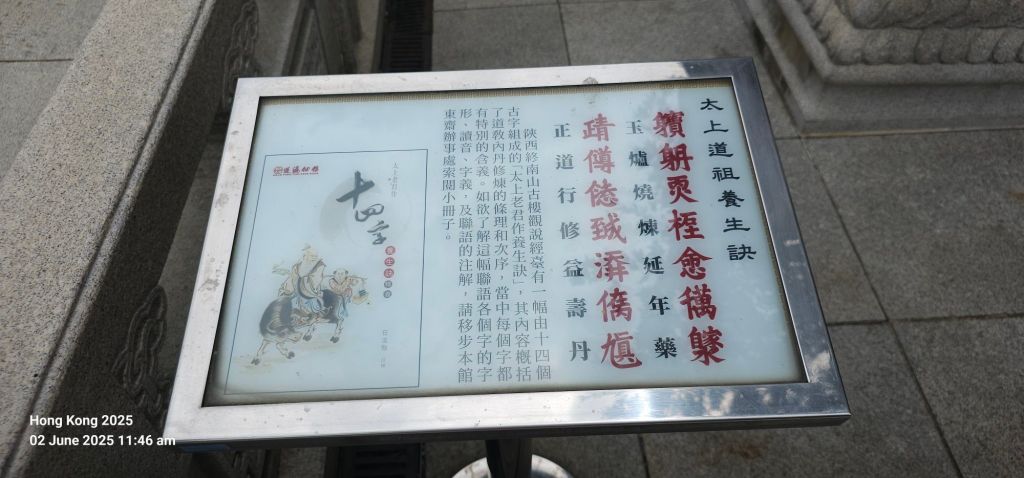
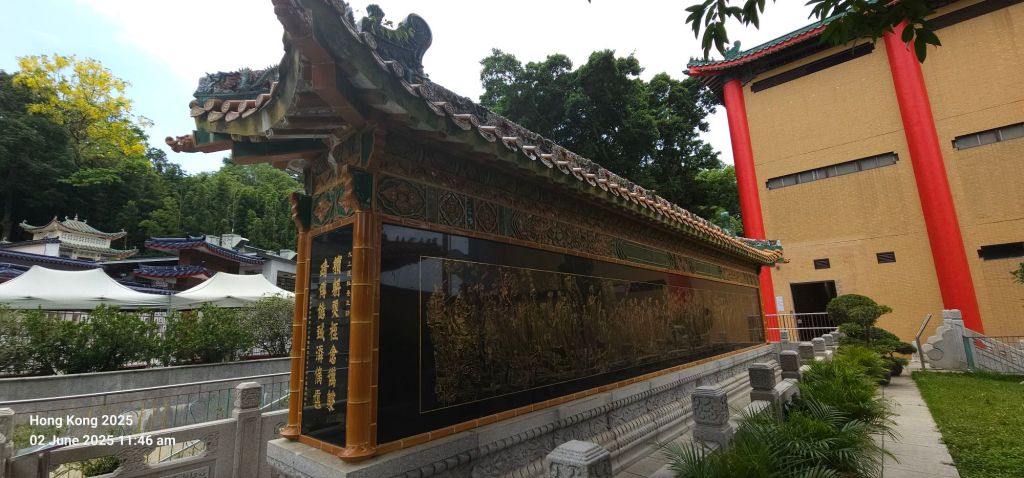
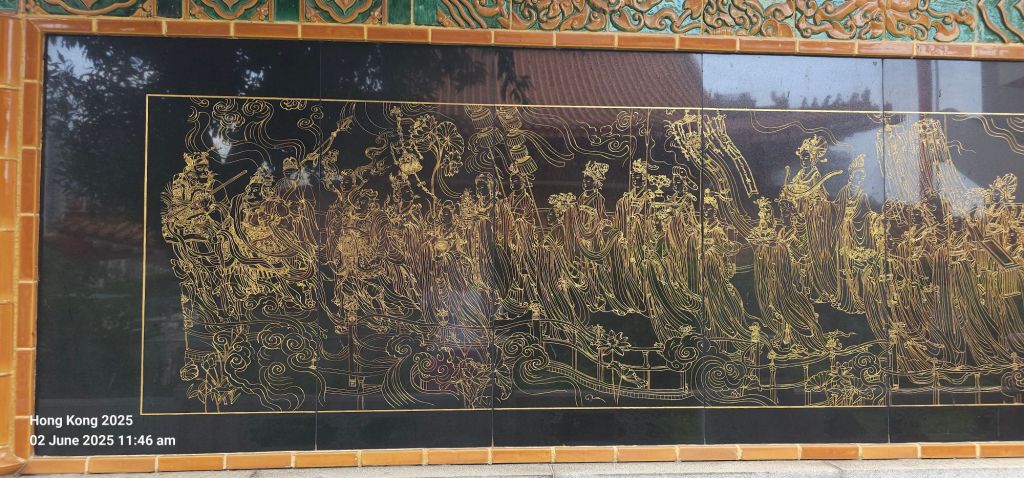
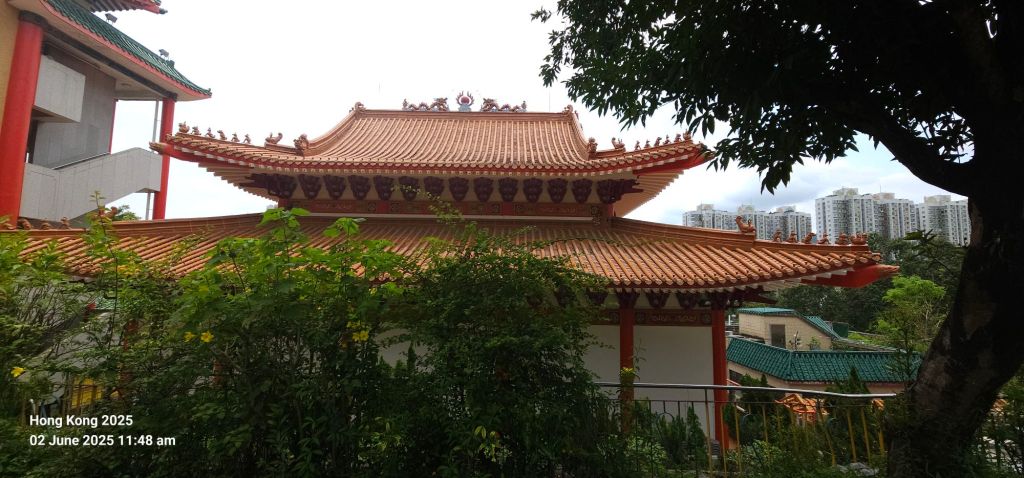
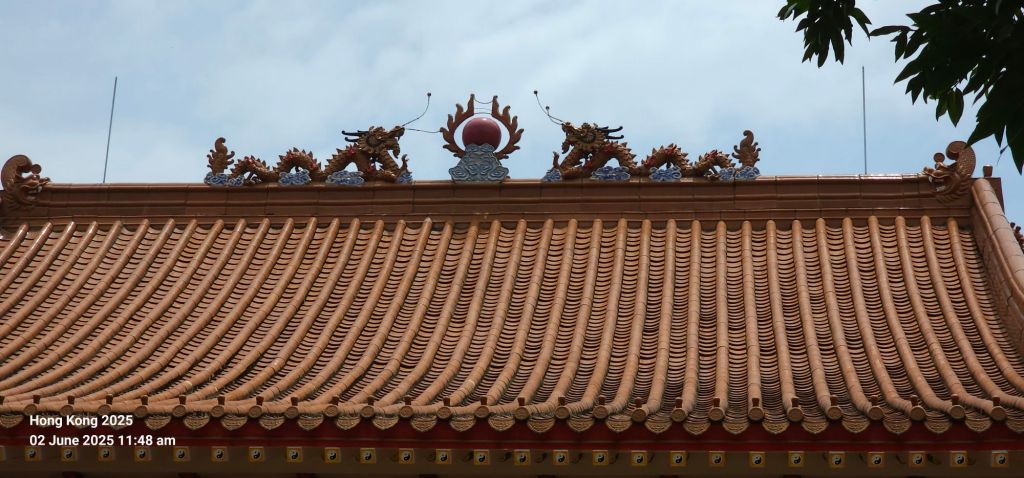
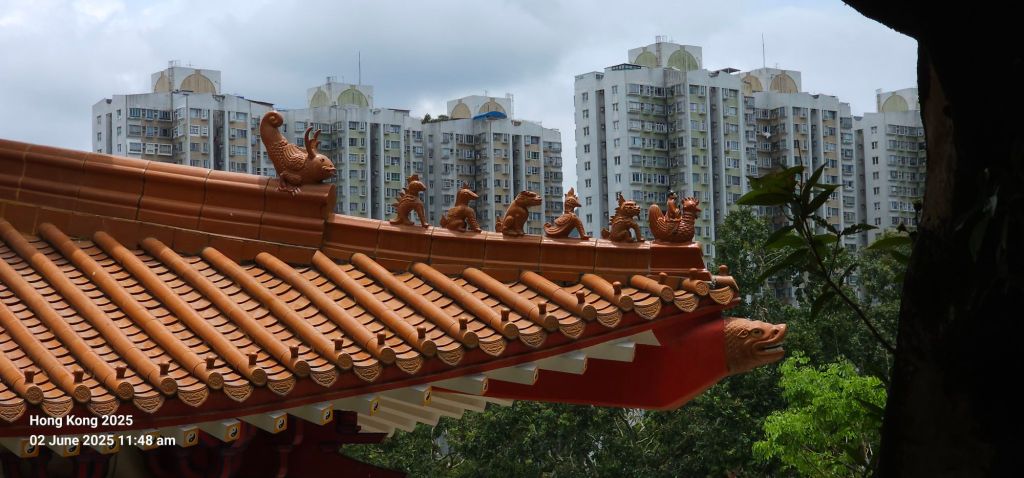
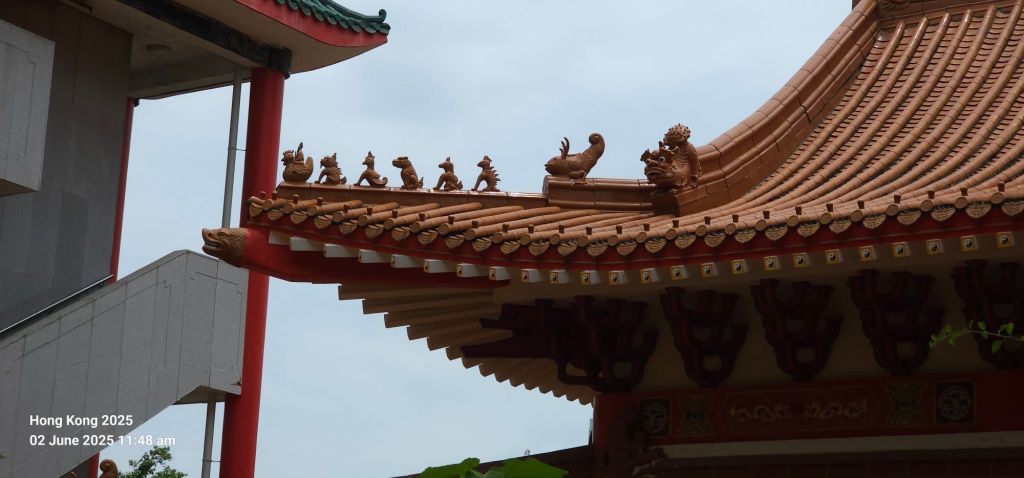
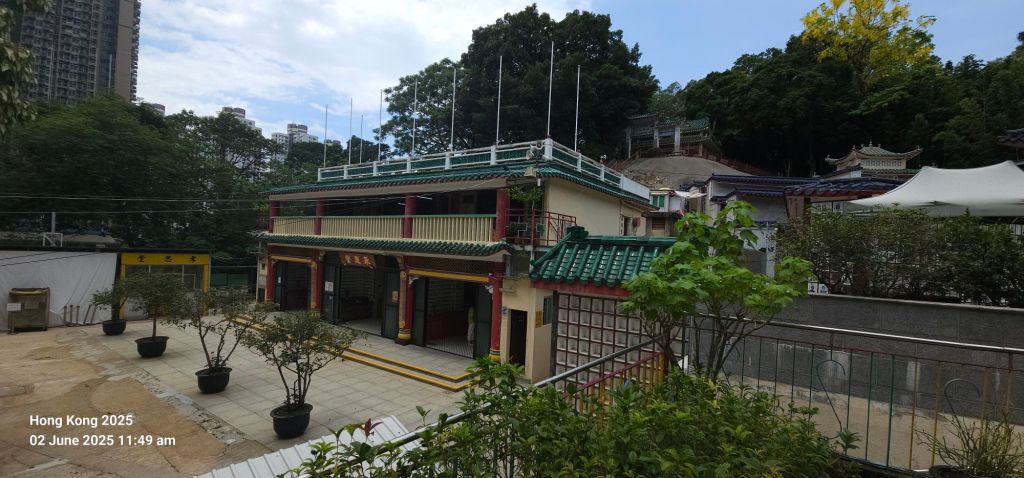
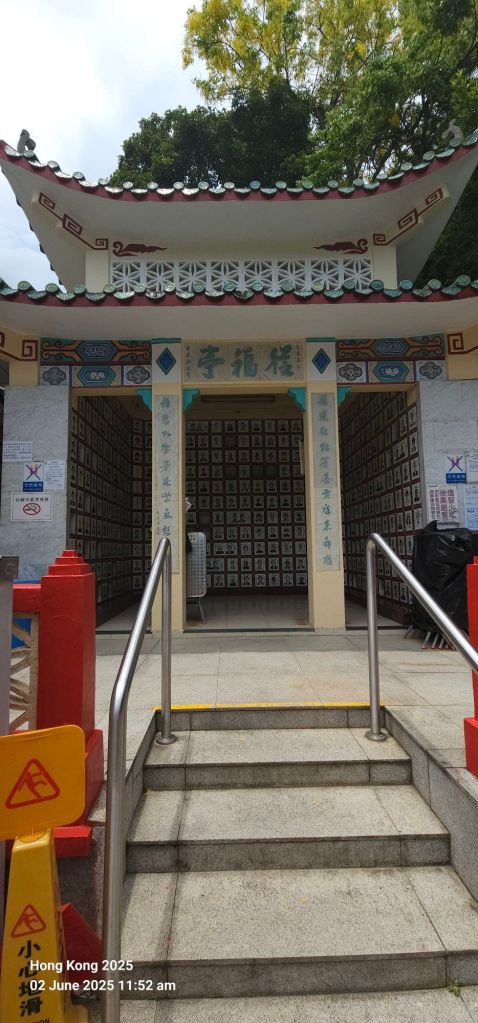
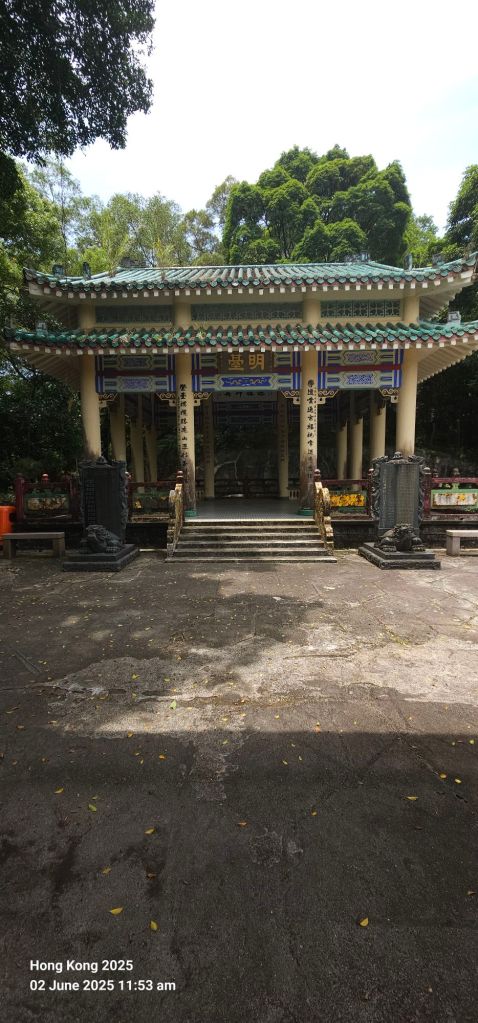
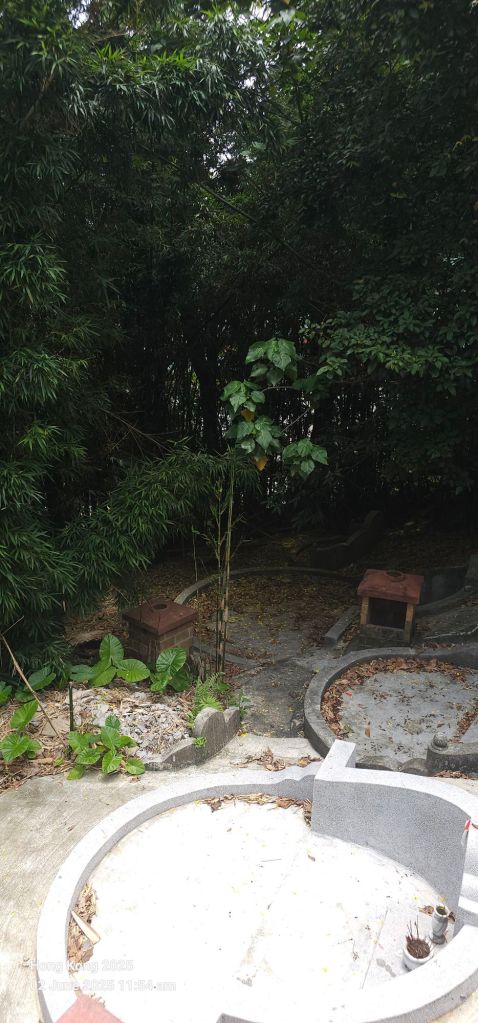
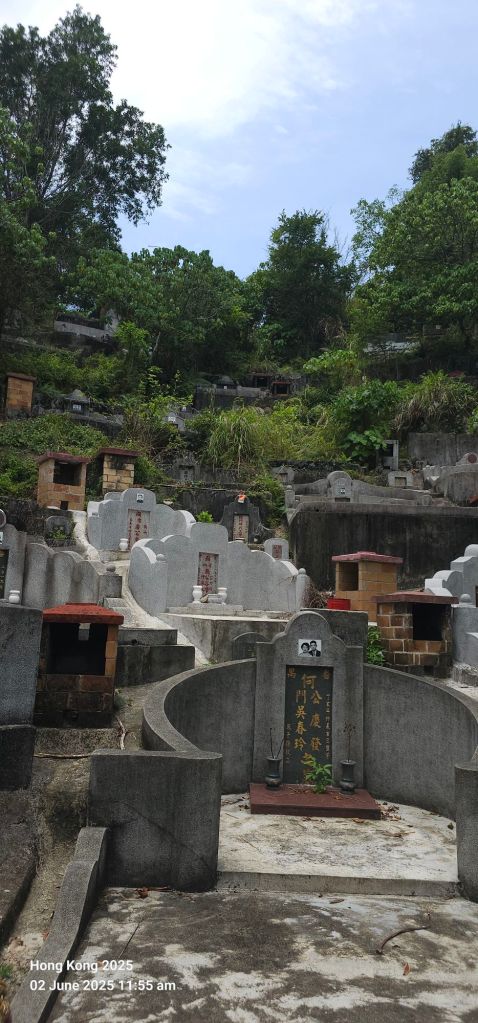
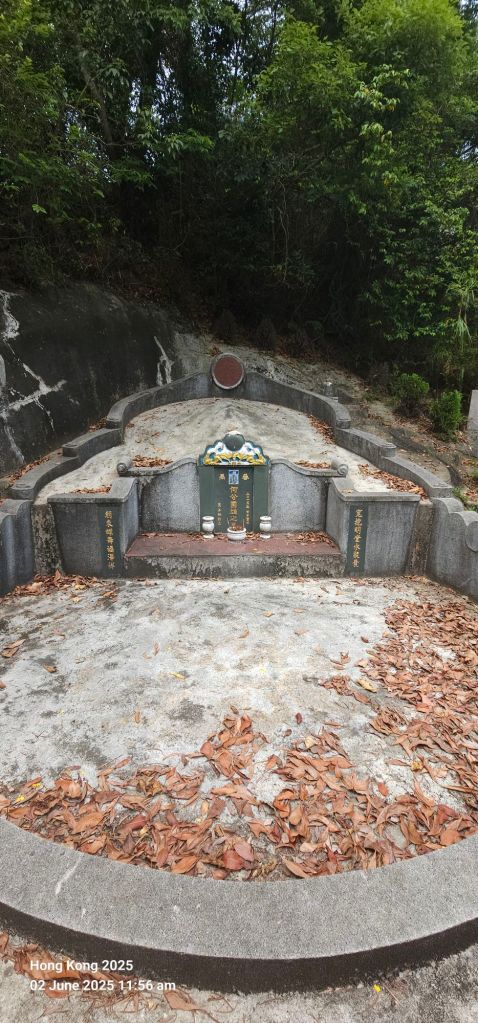
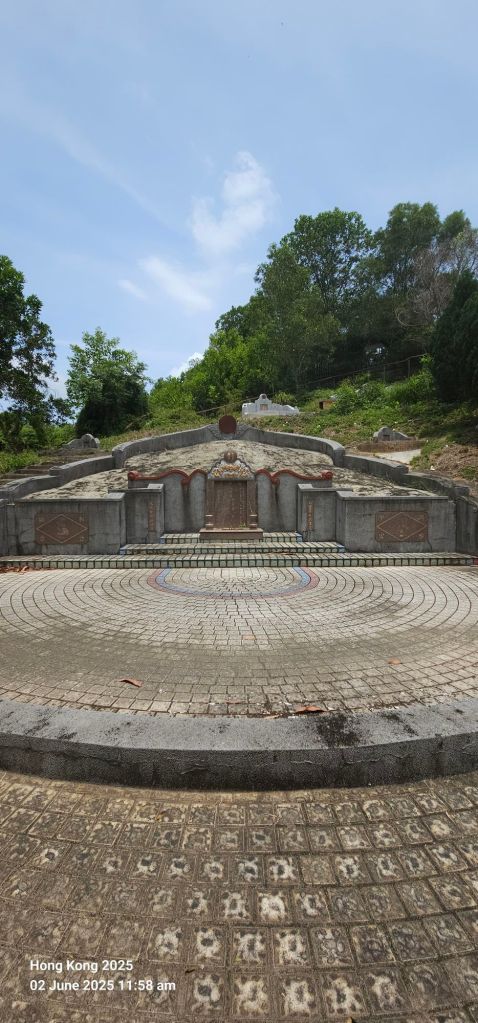
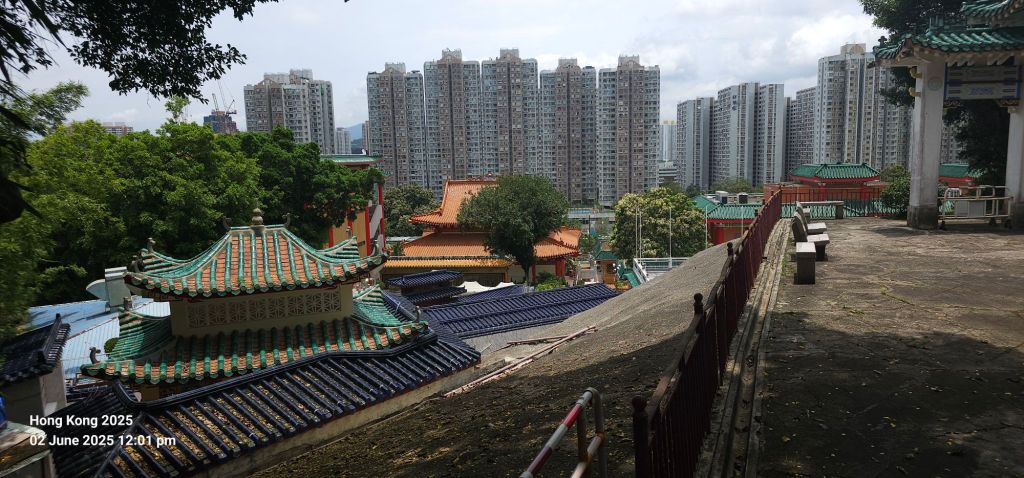
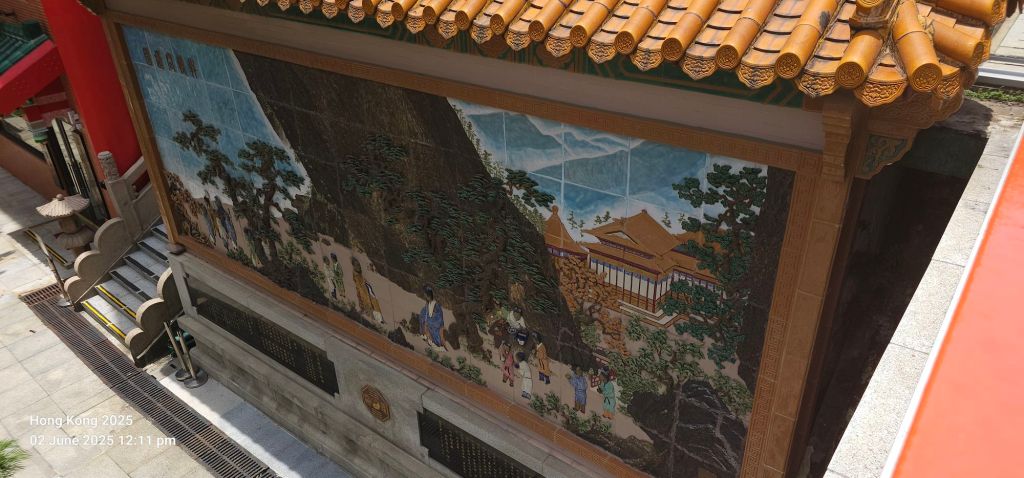
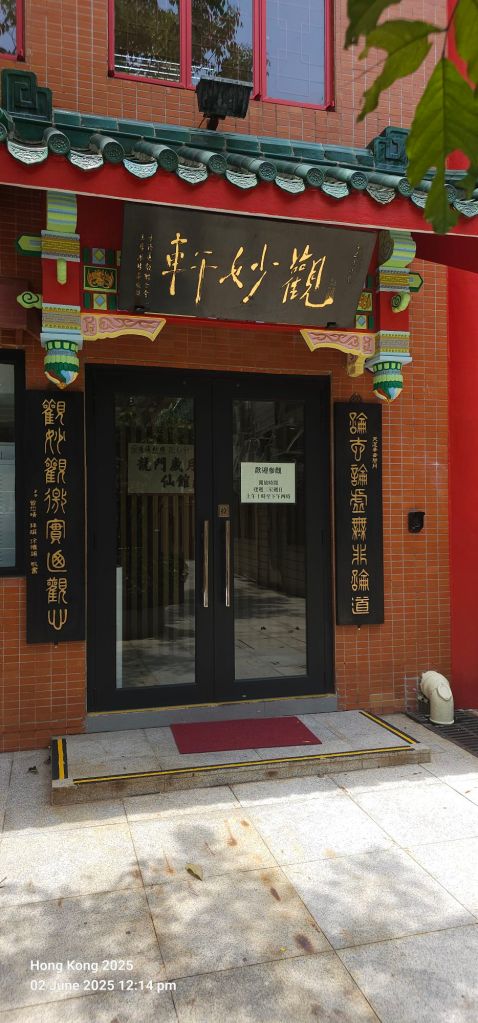
The second temple was totally different. Where the first one was a shrine worshipping Che Kung, this one was a Taoist Temple. It was the Fung Ying Seen Koon Temple in Fanling, a striking Taoist temple believed to be the home of immortals. Its architecture ranges from pavilions and halls to tiles and decorations, all exemplifying the traditional Taoist design. The Grand Temple is dedicated to Taishang Laojun, Lü Dongbin, and Qiu Chujing, as well as a temple for Guanyin. The Yuen San Temple honours Doumu and the sixty Great Generals of the Chinese sexagesimal cycle. There are notable features of the “Yellow Emperor Inquires after the Tao” sculpture and the “Scroll of Eighty-Seven Immortals” carving. This was also a place where people are buried, and so while in the temple, there is a sense of worship. All around are rooms with what is known as columbarium niches, where families place the ashes in urns and into a niche. They then come to worship or pay respects to their ancestors. Twice a year in Hong Kong, there is a public holiday for grave sweeping, where people visit their ancestors’ graves to pay their respects, leaving money and other tokens. Ancestor worship/respect is very important here. While I don’t go for the whole worship of our ancesters – I do remember becoming overcome with emotion when visiting my grandparents resting places – tears then were shed, I don’t believe that I need to worship them, but I do often think of them and wonder what they would be thinking of me or how I wish I had had more time with them, to learn from them, to hear there stories and wisdom.







This has become a very long post, so I’d better start wrapping up. Life on the whole is good. I haven’t found the meaning of life, but I know that the God that I worship has a plan, that He is in total control and that in Him I have meaning. That I have been chosen, that I am loved and that nothing can separate me from Him. While I miss my parents and still get feelings of guilt for leaving them, I know that I am in the best place for me, and that this is another step on a great adventure.
(Historical and factual points: I got the information from Wikipedia, or the websites of the Temples; otherwise it is all me)
 katherineyiend